
What Do I Do When A Family Member Dies In Rhode Island?

Grieving the loss of a family member is one of life’s most challenging experiences. The emotional weight of loss is compounded by stress and confusion, particularly when your loved one did not plan ahead. Without clear guidance from the deceased, families are left to navigate funeral arrangements, property sales, and asset distribution during an already overwhelming time.

This burden becomes even heavier when the person you lost was the primary provider or the one who managed household finances. Suddenly, you’re not only processing grief but also grappling with unfamiliar financial and legal responsibilities. You may feel lost about how to move forward without them.


You’re Not Alone in This Process

Every day, I meet people facing these exact circumstances. My role is to guide you through the probate process with clarity and compassion, helping you fulfill your legal obligations while honoring your loved one’s memory. While the road ahead may seem daunting, understanding the necessary steps can provide structure during this uncertain time.


Essential Steps in the Probate Process

1. Locate Existing Estate Planning Documents

Your first priority is to determine whether the deceased had a will or trust. These documents are critical roadmaps for estate administration.

If a will exists, the person named as executor or personal representative has a legal duty to come forward with the document. Under Rhode Island probate code, the will must be presented to probate court within 30 days of death. Similarly, if there’s a trust, you’ll need to identify the designated trustee. This individual bears the responsibility for administering the estate according to the deceased’s wishes.

I understand this may feel like an urgent deadline during a time when you’re simply trying to process your loss. An experienced estate planning attorney can help ensure you meet these requirements while managing the other demands on your time and emotional energy.


2. Identify and Notify Heirs and Beneficiaries

You’ll need to compile a complete list of heirs at law and any beneficiaries named in the will or trust. Gathering accurate contact information (including addresses, phone numbers, and email addresses) is essential for proper legal notification.

This step can be emotionally challenging, particularly if family relationships are complicated or if you’re uncertain about the extent of your loved one’s connections. Legal guidance can help you navigate these sensitive communications appropriately.


3. Obtain Critical Documents

Several key documents form the foundation of the probate process:

  • Death certificates: Secure multiple certified copies of the death certificate. Your funeral director or the organization handling burial or cremation services typically provides these documents. You’ll need several copies for various financial institutions, government agencies, and other entities.
  • Funeral bill: Obtain a copy of the funeral bill showing payment in full. Rhode Island law requires that funeral expenses be paid before any other bills or distributions from the estate. This legal priority recognizes the immediate need to honor the deceased with dignity.


4. Compile a Comprehensive Asset and Debt Inventory

Understanding the full scope of the estate requires gathering detailed financial information. This process, while time-consuming, provides the clarity needed to properly administer the estate.

You’ll need to collect:

  • Most recent statements for all bank accounts, investment accounts, and retirement accounts
  • Current utility bills, mortgage statements, property tax bills, and medical bills
  • Property deeds and motor vehicle titles
  • Any other documentation reflecting assets or liabilities

Did the deceased own real estate? Have investment portfolios? Maintain multiple bank accounts? Each asset must be identified, valued, and properly handled according to probate law. Similarly, outstanding debts must be documented and addressed in the legally prescribed order.

This inventory process can feel overwhelming, especially if your loved one handled finances privately or maintained complex holdings. Be patient with yourself as you work through this discovery phase.


Moving Forward with Professional Guidance

The information outlined above represents the essential building blocks of estate administration, but every situation is unique. Family dynamics, asset complexity, creditor claims, and potential disputes can all affect how your case unfolds.

Most estate planning attorneys are well-equipped to guide you through both probate and trust administration. An experienced attorney can help you:

  • Navigate court procedures and filing requirements
  • Understand your fiduciary duties and protect yourself from personal liability
  • Communicate effectively with beneficiaries and creditors
  • Resolve disputes or challenges that may arise
  • Ensure proper tax filings and compliance
  • Complete the estate administration efficiently and correctly

During this difficult time, you deserve support from someone who understands both the legal complexities and the emotional weight you’re carrying. While you cannot change what has happened, you can honor your loved one’s memory by handling their final affairs with care and diligence.

If you’re facing the probate process, I encourage you to seek the assistance of a qualified estate planning attorney. Having knowledgeable guidance can make the difference between a confusing, stressful experience and a manageable path forward. You don’t have to navigate this alone. Click below to schedule now.

A Christmas Carol for Your Estate: Protecting Your Legacy with a Little Holiday Spirit
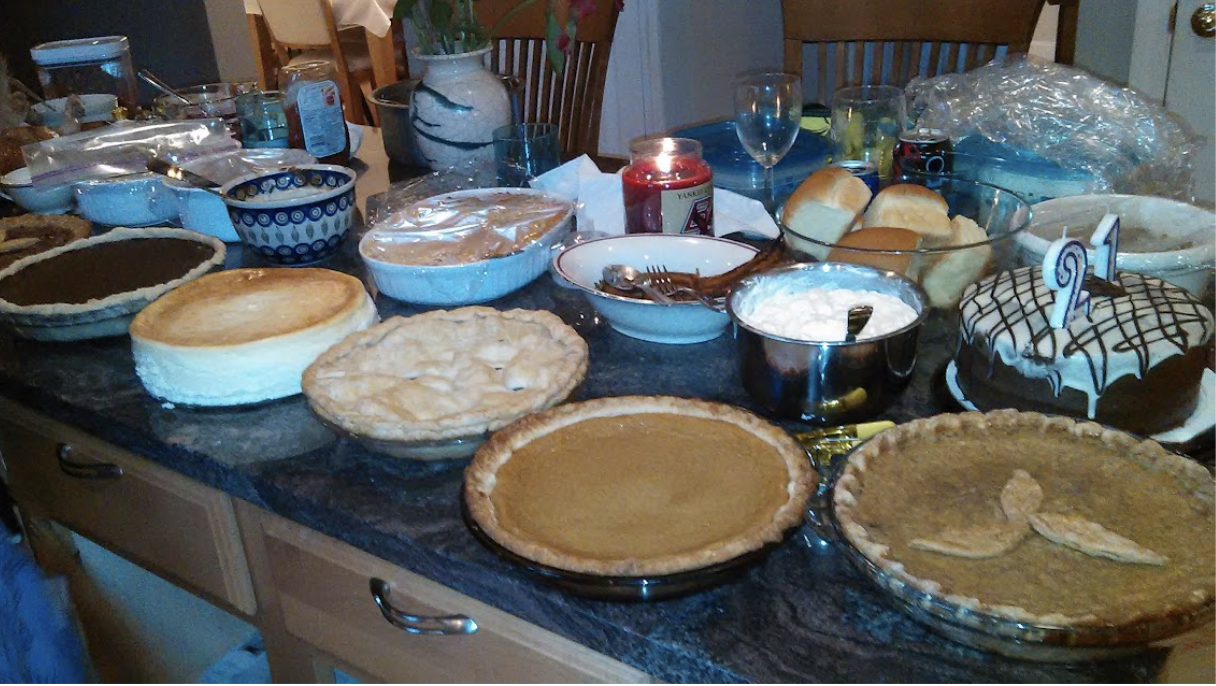
The holidays are such a great time to hit pause and reflect. As we gather around the table for those familiar, comforting meals, dig out ornaments with years of memories, and watch the sheer joy in a child’s eyes, I always think about Charles Dickens. He really nailed it with A Christmas Carol, showing us how our past, present, and future are all beautifully intertwined.

This year, as you celebrate with the people you love most, let’s take a cheerful cue from those three famous spirits and see what they can teach us about protecting the amazing life and legacy you’re building.

The Ghost of Christmas Past: Celebrating Your Roots

I instantly go back to my own holiday history. Every Christmas Eve, my Mom would make a traditional dinner, complete with her grandmother’s pierogies recipe. Christmas morning always brought some fun, exotic fruit in my stocking, and one year, Dad even let me skip school to go pick out the Christmas Tree!

We all do this, right? We keep those traditions alive without even thinking about it. We use the same cookie recipe, the worn decorations, the stories we tell every year. It’s how we keep the connection to our family’s history strong.

Estate plans are like that, too. They’re the perfect bridge connecting the successful life you’ve built to the legacy you want to leave. A smart plan makes sure everything you’ve worked for, whether it is your financial security, those cherished family heirlooms, and most importantly, the peace of mind that your loved ones will be cared for, is passed on exactly as you intended.


The Ghost of Christmas Present: Rolling with the Changes

Here’s the fun part that Christmas Past might forget to mention: traditions are meant to evolve! And that’s a great thing.

Maybe your family now celebrates on Christmas Eve to make everyone’s hectic schedules work. Maybe you’ve added new family members who’ve brought fantastic new customs—like seven fishes instead of a traditional ham, or Hanukkah candles shining right next to the Christmas tree.

The happiest, most resilient families aren’t the ones who cling rigidly to the past. They’re the ones who gracefully hold space for both the way it’s always been and the way it can be now. It’s all about continuity and flexibility.

Your estate plan deserves that same easy-going nature. Life happens! Families grow, assets shift, and laws change. That plan you made 20 years ago? It might need a little holiday refresh to truly reflect your current wishes and today’s rules.

This is why we say estate planning is a conversation, not a one-and-done chore. Regular check-ins ensure your plan bends when life does, just like the best family traditions.


The Ghost of Christmas Yet to Come: Estate Planning with a Wink

Okay, here’s the one Dickens originally cloaked in a bit of drama and darkness. But let’s spin it: the “Ghost of Christmas Yet to Come” simply reminds us to be proactive.

The future is coming, ready or not, and it’s full of changes we can’t always see. But unlike Scrooge’s scary vision, your future story is absolutely not set in stone! The positive choices you make today can change the ending completely.

Without a smart, comprehensive estate plan, your family might face:

Long, drawn-out probate proceedings.

Avoidable family disagreements over assets.

Unnecessary taxes taking a bite out of their inheritance.

Tough medical decisions made without your clear guidance.

Guardianship questions for minor children.

Assets being stuck exactly when they need them most.

With a comprehensive estate plan, you give your family the ultimate gift: a clear map in a moment of confusion, a loving direction when they’re grieving, and the assurance that they are absolutely honoring your wishes. You essentially protect them from the worst “what ifs.”


Your Scrooge Moment: A Fun, Fresh Start

The beautiful truth at the heart of A Christmas Carol is this: Scrooge wakes up with a fresh chance. It is absolutely, 100% not too late to change the ending of your own story.

If you don’t have a plan yet, or if yours hasn’t seen the light of day in a few years, let this season be your gentle, festive wake-up call. The spirits have popped by, the message is clear, and the best choice is now yours to make!

How To Talk To Your Parents About Estate Planning (Without Ruining Dinner)

Estate planning conversations can be awkward. Whether you’re discussing your own plans with loved ones or bringing up the subject with aging parents, these discussions require careful thought and sensitivity. Here are some tips on how to approach these important conversations in a way that strengthens family bonds rather than straining them.

Before I dive into the meaty parts of discussing estate planning with your parents, consider having a plan in place for yourself first. Beginning the conversation with “I recently created an estate plan and I feel so relieved that I did” is a great opener to a discussion with your family about the benefit of having a plan in place before it is too late.


The Harder Conversation: Talking to Your Parents

It’s a different story when you need to discuss estate planning with someone else, typically an elderly parent or grandparent who has been putting it off or just doesn’t want to talk about it. First and foremost, respect their privacy. It’s their estate, and they have the right to handle it as they see fit.

That said, estate planning isn’t just about “who gets what.” There are other critical aspects that affect the whole family, such as designating agents under financial and healthcare powers of attorney, living wills and end-of-life care directives, and ensuring someone can make decisions if they become incapacitated. These practical matters affect everyone, not just the beneficiaries.


The Wrong Way: Linda’s Mistake

Picture this: Linda invites her elderly parents to Sunday dinner. Her husband Dave picks them up. She prepares a big meal, dessert included. Everything seems warm and festive until Linda springs her true agenda.

“Mom and Dad, we really need to talk about your estate plan. You don’t have a will or trust, and you really need to get this done. You’re running out of time.”

Ouch. Talk about indigestion. Mom and Dad are blindsided. They thought they were there to enjoy time with family, not discuss their mortality over pot roast. They’re understandably upset, and the conversation crumbles faster than the apple pie crust.

The damage doesn’t stop there. Mom calls Linda’s sister Carol and reports what happened. Now Carol thinks Linda is greedy and controlling. The family rift deepens, and what should have been a helpful conversation has created lasting harm. All because Linda decided to approach this topic over mashed potatoes.

The lesson? Don’t ambush your parents at the dinner table. Don’t corner them or make them feel trapped. Estate planning discussions deserve their own moment, not a sneak attack between the main course and coffee.


The Right Way: Joe’s Approach

Joe took a different tack. After a close friend went through the nightmare of guardianship proceedings and probating his father’s estate with no plan in place, Joe became concerned about his own dad’s situation.

Instead of issuing directives, Joe approached his father empathetically. He shared his concerns and asked if his dad would be comfortable discussing estate planning with the family. No pressure, just a conversation. No dinner ambush required.

Dad agreed. Joe and his brother Bob scheduled a meeting with their father. Because Joe gave his dad control of the conversation and approached him with respect rather than demands, Dad recognized that something needed to be done. He even asked Joe and Bob to help him find a reputable estate planning attorney, since he “doesn’t use the computer.” Everyone wins when you treat people like adults who can make their own decisions.


My Tips for a Successful Conversation

👉  Schedule ahead of time. Call a family meeting in advance. Include everyone who is or would be affected by the discussion. Be honest about your intent. Surprises are great for birthday parties, not estate planning talks.

👉  Choose your language carefully. Avoid directives like “you should” or “you need to.” Instead, use phrases like “I’m concerned about…” or “I’ve been thinking about…” This keeps the conversation collaborative rather than confrontational. Nobody likes being told what to do, especially about their own affairs.

👉  Have an agenda. Once your family has agreed to discuss estate planning, prepare a simple agenda to keep the conversation focused and productive. What documents exist and what’s missing? Who should be named as executor, trustee, or agent? What assets exist and where they’re located? Any specific wishes or concerns? Having a plan for the planning conversation helps everyone feel more comfortable.

👉  Be patient. Don’t be surprised if it takes multiple meetings to work through everything. This is difficult subject matter for many people, touching on mortality, family dynamics, and deeply personal values. Rome wasn’t built in a day, and neither is a comprehensive estate plan.


The Relief At The End

Once an estate plan is in place, everyone can breathe easier. You’ll have peace of mind knowing that your loved one’s wishes will be honored, that someone can step in to help if needed, and that the family won’t face unnecessary legal headaches or conflicts during an already difficult time.

The key is approaching these conversations with empathy, respect, and patience. Done right, talking about estate planning can actually bring families closer together because it shows you care enough to have the hard conversations. Just maybe…maybe skip the dinner table as your venue of choice. 😉

When you’re ready, book a call with me and we’ll get you set up the right way the first time.

Why Every Young Family Needs an Estate Plan

Just had lunch with a friend, who’s knee-deep in raising young kids. We were chatting about the upcoming school year, their crazy schedules, and college plans. I naturally asked about his estate plan, and he said, “Don’t have one—it’s bad luck.”

Seriously??? Of course, I completely disagree. But rather than argue about the benefits of planning ahead over tacos, I figured I’d write about it instead.


Estate Planning isn’t about Luck, it’s about love and responsibility

Estate planning probably isn’t topping your to-do list when you’re juggling diapers, playdates, and soccer practices. But it’s actually one of the most powerful ways to show your family love and protect them. When most folks hear “estate planning,” they picture retirees with vacation homes, big investment portfolios, and grown kids. But here’s the real deal: estate planning is just as crucial for young families as it is for older generations. If you have a spouse, young children, or even just a home with a mortgage and some savings, guess what? You already have an “estate.” And planning for the future now means your loved ones are protected, no matter what life throws your way.

So, what should an estate plan look like for a young family? Let’s break it down into the three most vital pieces: naming guardians for your children, making sure your family is financially protected with life insurance, and passing your assets to your children responsibly.


Naming Guardians for Minor Children

If you’re a parent, the single most important reason to create an estate plan is to name guardians for your children. It’s not something any of us like to dwell on, but accidents and illnesses happen. If you and your spouse were no longer here, who would step in to care for your children? Without a plan in place, the court would decide. Judges do their best, but there’s no guarantee they’d pick the person you’d want raising your kids. Even worse, family members could end up fighting over who should step in, creating even more stress during an already difficult time.

How to go about naming guardians for your minor children

By naming guardians in your will, you get to choose the people who will love, guide, and support your children as they grow. Think about the qualities that matter most to you: shared values, parenting style, financial stability, and emotional readiness. You’ll also want to name alternates, just in case your first choice isn’t able to serve.

Here’s another key tip: talk to your chosen guardians before officially naming them. Make sure they’re comfortable with the responsibility and understand your hopes for your children. These conversations can feel a bit heavy, but they can also be incredibly reassuring. You’ll know your kids will be in good hands if life takes an unexpected turn.


The Importance of Life Insurance for Financial Protection

The second cornerstone of estate planning for young families is life insurance. Let’s be honest, raising children is expensive! There are everyday living expenses like housing, food, and healthcare, plus big future costs like college tuition. If something were to happen to you or your spouse, would your family have the resources they need to maintain stability and keep pursuing the dreams you’ve envisioned for them?

Life insurance offers peace of mind by ensuring your family has a financial cushion if one parent passes away. A well-structured policy can cover mortgage payments, childcare, medical bills, and even long-term goals like funding your child’s education.


How to choose the right life insurance policy

For many young families, term life insurance is an excellent option. It provides affordable coverage for a set number of years, typically long enough to get kids through school and pay off major debts.

Whole life or permanent policies might also make sense depending on your specific situation, but the main thing is to have something in place to protect your loved ones.

When figuring out how much coverage you need, consider your current debts, ongoing expenses, and your future goals for your children. A good general guideline is to purchase enough insurance to replace several years of income, cover your mortgage, and provide for college. An estate planning attorney or financial advisor can definitely help you crunch those numbers.


Beyond Just Wills and Insurance: Passing Your Assets To Your Children Responsibly

Without proper planning, your children could inherit large sums of money outright at a young age, or those funds could fall into the hands of someone who may not be financially responsible. Tools such as living trusts and testamentary trusts allow you to set clear guidelines for how and when your children receive their inheritance, ensuring the money is utilized wisely for essentials such as health, education, or living expenses, rather than frivolous spending.

While guardianship and life insurance are the big ones for young families, there are a few other documents that can make life much easier if something unexpected happens during your lifetime.

A durable power of attorney lets you appoint someone to manage your finances if you’re ever incapacitated.

A health care proxy or medical power of attorney allows someone to make medical decisions for you if you’re unable to.

And don’t forget a HIPAA authorization so trusted family members can access your medical information when it’s needed.

Even if you’re young and healthy, these documents can prevent unnecessary stress if you’re in an accident or have a medical emergency. They’re simple to set up but can truly make all the difference for your family.


The Benefits of Planning Early

Estate planning when your children are still young has several huge advantages. First, it gives you peace of mind. You’ll know that no matter what happens, your kids will be cared for and your family will be financially secure. Second, it prevents conflict. When everything is clearly written down, your loved ones won’t have to guess your intentions or argue about what you “would have wanted.” Finally, it saves time and money. With a solid plan in place, your family can avoid the delays, costs, and frustrations of court proceedings.

Perhaps most importantly, estate planning for young families creates a foundation of security and stability. Your kids may never fully understand the behind-the-scenes work you put into creating a plan, but they’ll certainly feel the benefits in the form of consistency, financial security, and care from the people you trust most.


Final Thoughts: Working with an Experienced Estate Planning Attorney in Rhode Island

Think of estate planning as one of the best gifts you can ever give your family. It’s not about being morbid or assuming the worst. It’s about creating a safety net so that if something unexpected happens, your loved ones have clarity, stability, and the resources they need.

Your family’s future truly matters, and a little planning today can make all the difference tomorrow.

Estate Planning for Single Women – What Does One Need?

Estate planning isn’t just for married couples, retirees, or people with large estates. If you’re a single woman, whether you’re building your career, raising children on your own, recently divorced, or enjoying retirement, it’s especially important to have a clear plan in place. Without a spouse as a default decision-maker, it is up to you to choose who will step in when it matters most. That also means you need to put those wishes in writing.

When you’re unmarried, the law does not automatically give anyone the authority to handle your finances or medical decisions if you become incapacitated. Without proper documents, your loved ones could face delays, court proceedings, and confusion. With a well-crafted estate plan, you stay in control of who will help you and where your assets will go.


There are a few essential documents that every single woman should consider. 

👉 A will allows you to name beneficiaries for your assets, nominate a guardian for minor children if applicable, and appoint a personal representative to carry out your wishes.

👉 A revocable living trust offers more privacy, helps avoid probate, and lets you name a successor trustee to manage your assets if you become incapacitated or pass away. When selecting a personal representative or trustee, it is important to think about responsible and trustworthy individuals in your life. These could be friends, relatives, or even professionals such as a bank, trust company, or licensed fiduciary if you prefer a neutral third party.

👉 A durable power of attorney gives someone the authority to handle financial matters like paying bills or managing investments if you are unable to do so. This can avoid the need for court intervention.

👉 A health care proxy or medical power of attorney allows someone to make health care decisions for you when you cannot. It is essential to pick someone who understands your values and will advocate for your preferences.

👉 You should also execute a HIPAA authorization form so that your chosen agents can access your medical information when needed.


In Addition To These Documents, You Should Also Review…

👉  In addition to these documents, you should carefully review and update beneficiary designations on life insurance policies, retirement accounts, and bank accounts. These assets pass outside of a will or trust, so coordination is key.


Meaningful Options When Choosing Beneficiaries

If you are unmarried and do not have children or grandchildren, you still have many meaningful options when choosing beneficiaries. You might consider naming siblings, nieces, nephews, close friends, or caregivers. Charities, faith-based organizations, educational institutions, and local nonprofits are also great choices, especially if you want your legacy to reflect your values. Some people choose to establish a scholarship fund or a small gift to support their community. If you are a pet owner, you can even provide for the ongoing care of your animals.

For single women who are also caregivers to elderly parents or disabled loved ones, estate planning is even more essential. You can include instructions and resources in your plan to ensure your loved ones will be cared for, even if you are no longer able to do so yourself.

One of the strengths of being single is having the freedom to make decisions that reflect your unique life, but it is also your responsibility to make sure those decisions are documented. With the right estate plan, you can ensure that your health, finances, and legacy are protected and honored.


Being Single Doesn’t Mean You Can’t Plan Ahead, I Can Help

Whether you are just beginning to think about your estate plan or ready to put everything in place, we are here to help. Our approach is tailored to your individual needs and goals, so your plan will be as thoughtful and personal as you are.

4 Excuses That Keep People From Protecting Their Legacy

As the relaxed days of August unfold, we recognize it as National Make a Will Month—a perfect time to address an important task before the busy back-to-school season and holiday rush begin. Shockingly, about two-thirds of Americans lack any form of estate plan, whether it’s a will, trust, or powers of attorney.

August just happens to be National Make A Will Month. This month, JMS Law is dedicated to simplifying the process of creating an estate plan for as many individuals as possible across Rhode Island and Massachusetts. We’re here to help you get your plan in place with ease!


Actually, everyone has an estate plan

Did you know even if you have not made an estate plan, you have one? Without an estate plan, the state has a plan for you, whether you like it or not. The laws of intestacy will dictate how your assets are distributed to your legal heirs, and the probate court will appoint someone to manage your estate. These individuals—your heirs and administrators—might not be the ones you would have chosen.

Even more concerning, without a plan, you risk a court-ordered guardianship if you become incapacitated and unable to manage your own assets or healthcare. Don’t be part of the two-thirds who rely on default arrangements. Take control and create your own estate plan!


Reasons people don’t make a plan

Estate planning is a crucial task that many individuals know they need to address but often postpone. Several common reasons contribute to this procrastination:

Uncertainty about where to begin: For many, the sheer complexity of estate planning or simply not knowing who to consult for assistance leads to deferral.

Belief in insufficient assets: A common misconception is that one doesn’t possess enough assets to warrant an estate plan. However, even ordinary assets like bank accounts, vehicles, and personal property are subject to the probate process. Without a will or designated beneficiaries on accounts, probate can potentially consume a significant portion of an estate’s value.

Reluctance to confront mortality: While an uncomfortable truth, death is an inevitable part of the human experience, regardless of whether a plan is in place. Avoiding this reality doesn’t change its certainty.

Indifference to post-mortem outcomes: While some may express a lack of concern for what happens after their passing, establishing an estate plan can significantly ease the burden on loved ones during a difficult time. Considering the potential relief it offers, making arrangements seems a compassionate choice.


Types of plans we provide

At JMS Law, we create individualized estate plans, based on your needs and goals. We create wills and living trusts for individuals and married couples. We also draft property deeds, financial powers of attorney and healthcare documents. If long-term care costs are a concern, we also provide Medicaid planning.


We Make it easy to get your plan in place

Stop making excuses! Regardless of the value of your estate, you and your loved ones deserve the peace of mind that comes with a solid plan. We work with estates of all sizes and make the process convenient for you. You don’t even need to leave your home to get started – we offer virtual estate planning meetings. For document signing, we can accommodate you in one of our offices or even in the comfort of your own home.

What Is a Testamentary Trust and How Does It Work?

When it comes to estate planning, you’ve probably heard of wills and living trusts—but what about testamentary trusts? If you’re looking for a way to provide for your loved ones while maintaining some control over how your assets are distributed, a testamentary trust might be a great option. So, what exactly is a testamentary trust, how does it work, and how do you create one? Let’s break it down in simple terms.


What Is a Testamentary Trust?

A testamentary trust is a type of trust that is created through a will and only goes into effect after you pass away. Unlike a revocable living trust, which is set up while you’re still alive, a testamentary trust doesn’t exist until after your death.

Think of it like a set of instructions embedded in your will. When you pass away, your executor follows those instructions to create and manage the trust, ensuring your assets are handled exactly as you intended.


How Are Testamentary Trusts Used?

Testamentary trusts are often used to provide financial protection and structure for beneficiaries. Here are a few common reasons people use them:

Protecting Minor Children – If you have young kids, a testamentary trust can hold their inheritance until they reach a responsible age. Instead of an 18-year-old receiving a lump sum (which could be spent in a flash), the trust can distribute funds over time.

Providing for a Loved One with Special Needs – If a beneficiary has special needs, a testamentary trust can ensure they receive financial support without disqualifying them from government benefits like Medicaid or Social Security.

Managing Assets for Financially Irresponsible Beneficiaries – If you’re worried about a beneficiary blowing through their inheritance, a testamentary trust allows you to set conditions for distributions, for example: “$10,000 per year until they turn 30”.

Tax and Creditor Protection – Testamentary trusts can sometimes provide estate tax benefits or protect assets from creditors or divorce settlements, depending on how they’re structured.


How to Create a Testamentary Trust

Creating a testamentary trust involves a few additional steps

    1. Draft a Will That Includes the Trust
      Since a testamentary trust is created through your will, you’ll need to work with an estate planning attorney to include the trust provisions. The will should specify:

Who the trustee will be (the person responsible for managing the trust).

Who the beneficiaries are.

How and when the assets should be distributed.

    1. Define the Trust Terms
      You’ll need to decide:
      How long the trust should last (such as, until a child turns 25).

What expenses the trustee is allowed to pay for (education, medical bills, etc.).

Any conditions for distributions, for example, “must graduate college first”).

    1. Name the Trustee
      Choosing the right trustee is key. This person (or institution) will be responsible for managing the trust and ensuring your wishes are carried out. It could be a family member, a trusted friend, or a professional fiduciary.
    2. Fund the Trust (After Death)
      Unlike a living trust, a testamentary trust isn’t funded while you’re alive. Instead, your assets go into the trust after you pass away, usually through your will’s probate process. This means your estate will go through probate before the trust becomes active.


Pros and Cons of a Testamentary Trust

Pros:

Control Over Asset Distribution – You decide how and when beneficiaries receive their inheritance.

Great for Minors or Special Needs Beneficiaries – Protects vulnerable individuals from mismanaging their inheritance.

Potential Tax Benefits – Can reduce estate taxes and offer creditor protection.

These types of trusts are great for people that don’t have a lot of assets while they’re living, but have significant funds that will come in through things like life insurance, and other assets that are not liquid until they pass away.

Cons:

Requires Probate – Since it’s created through a will, it must go through probate, which can be time-consuming and costly.

Less Flexibility Than a Living Trust – Since the trust only takes effect after death, you can’t make changes without updating your will.

Ongoing Trustee Fees – If managed by a professional trustee, there could be administrative costs.


Is a Testamentary Trust Right for You?

If you want to provide long-term financial security for your loved ones but aren’t interested in setting up a trust while you’re alive, a testamentary trust can be a smart, structured way to manage your estate. It’s especially useful for parents of young children, individuals with special needs beneficiaries, or those who want to protect assets from mismanagement.

If you’re considering a testamentary trust, consulting with an estate planning attorney is the best way to ensure it’s set up correctly and aligns with your goals. Schedule an appointment by clicking below.

Estate Planning For College Freshmen: 3 Documents Every Young Adult Should Have

When my son turned 18 and left for college a few hours away, it felt like the start of a new chapter — one filled with excitement, independence, and the quiet ache that comes with watching your child grow up. He didn’t come home on weekends, rarely called, and though he had a cell phone, the service was spotty. One day, I received a call from his doctor’s office. A routine lab result had come back with questionable findings, and they had been trying — unsuccessfully — to reach him for days. The doctor, clearly concerned, asked me to have him call the office. Naturally, I asked what was going on. But because my son was now legally an adult, I was told nothing. I spent several anxious days waiting to hear from him, only to find out, thankfully, that everything was fine. It was then I realized: a simple health care proxy could have spared us all that stress.

Most people think estate planning is only for retirees or those with significant wealth. But the reality is, once a child turns 18, parents lose the legal authority to make medical or financial decisions on their behalf — even in an emergency. That’s why every college student should have a few essential estate planning documents in place. These aren’t just legal formalities; they’re peace-of-mind protections for both students and their families.


The 3 Documents Every Young Adult Should Have

1. Durable Power of Attorney (Financial POA)

This document allows someone (usually a parent or trusted adult) to manage financial affairs on the student’s behalf. This could include paying bills, managing bank accounts, signing leases, or dealing with tuition issues — especially important if the student is studying abroad or is otherwise unavailable.

Why it matters: If your child becomes incapacitated due to illness or injury, or is too busy with college life to handle his own affairs, you won’t be able to legally handle their financial matters unless you’ve been named as their agent in a power of attorney. A financial POA avoids the costly and time-consuming process of court-appointed guardianship, and it allows you to continue assisting your child with life decisions and financial matters while they grow into adulthood.


2. Health Care Proxy (Medical Power of Attorney)

This allows your child to name someone to make medical decisions for them if they’re unable to do so. Without this, parents may be legally prevented from speaking on their child’s behalf, even in an emergency.

Why it matters: Hospitals and doctors cannot legally share information or take direction without proper authorization once a person is 18. A health care proxy ensures someone trusted is empowered to step in and make decisions.


3. HIPAA Authorization

This form allows medical professionals to share your child’s health information with you or another named individual. It’s often included with the health care proxy but can also be a standalone document.

Why it matters: If your college student ends up in the hospital, medical professionals may not be allowed to discuss their condition with you — even if you’re footing the bill — unless this form is in place.


Optional but Worth Considering:

FERPA Waiver: This allows you to access your child’s educational records (grades, academic status, financial aid) under the Family Educational Rights and Privacy Act.

Basic Will: If your student owns a car, has a bank account, or even a pet, a simple will can help ensure those assets are passed according to their wishes.


Estate planning for young adults isn’t about handing over control

Estate planning for young adults isn’t about handing over control — it’s about having a plan in place just in case. It gives peace of mind to both students and parents, knowing that if something unexpected happens, the right people are legally able to step in and help.

If you’re sending a student off to college, consider giving them a different kind of care package — one that includes these essential legal documents. It’s a small step that can make a big difference in a crisis. In fact, you can choose to add these documents for your student and update your own estate plan at the same time.

Need help getting started? Our office offers affordable, student-focused estate planning packages to help families prepare with confidence. Ask about adding student POAs to your own estate plan! Contact us today to schedule a consultation!

Do I Really Need An Estate Plan?

Some people hear the term “estate plan” and assume it is reserved for the ultra wealthy.  I assure you, that is not the case! Anyone over the age of 18 should consider making an estate plan. Your “estate” simply refers to your possessions – the money in your bank account, your car, your personal possessions – all comprise your estate.


There Are Three Ways To Die

No matter where you live in the United States, there are essentially three ways to die:

Intestate:

This simply means you never made a will or a trust, and you rely on the laws of the state to dictate how your assets will be distributed and who will be in charge of your  estate when you die. These may not be the people you would have chosen.

Make a Will

Most people have heard of a will and understand its basic function. Your will takes no effect until you die, and it simply allows you to choose how your assets are distributed and who is in charge of this. Contrary to popular belief, a will does not avoid probate. Your will must be filed with the probate court before any assets can be distributed. Thus, your estate will be open to creditor claims and beneficiary challenges.

Create a Living Trust

A living trust is like a treasure chest that you build during your lifetime and fill up with your own assets. You put a lock on the chest and you hold the key. During your lifetime, you can go in the treasure chest and take assets out, put new assets in, and utilize the assets any way you want. You also give a spare key to someone else, who can step up and manage your assets if you become incapacitated, or when you pass away. Unlike the other two ways, dying with a trust creates a private and seamless way to pass on your estate and avoids probate, if it is set up correctly.


Incapacity

When you are a child, all of that property really belongs to your parents or guardians. In addition, your parents or guardians make financial and healthcare decisions for you. But once you are an adult they are legally unable to handle your affairs without your explicit permission. Adults who are no longer able to handle their finances or make healthcare decisions for themselves are set up for “living probate,” which refers to a guardianship or conservatorship. However, creating Powers of Attorney, one for finances and general property, and one for healthcare, appoints someone to make these decisions in the event you cannot, thus, avoiding the living probate situation.

Life is unpredictable, and wonderful things (such as winning the lottery or selling a book and making millions) or terrible things (such as accidents or illness) are bound to happen. So, the answer is yes – you most definitely need an estate plan.

Should I Transfer My House To My Child While I Am Still Alive?

When creating an estate plan, many clients ask whether transferring their property to their children while they’re still alive is a smart decision. The answer is “it depends.” Making this transfer can have lasting impacts—both positive and negative—on family dynamics, finances, and estate planning. So, without further ado, let’s dive into the pros and cons of transferring ownership of your home to your kids during your lifetime.


Why Would Someone Transfer Their House to Their Children While Still Living?

Transferring ownership of a home to children before death can be motivated by various factors, including estate tax and probate avoidance, Medicaid and long term care planning and ensuring the property ends up in the right hands. While these reasons may sound appealing, it’s important to consider both the pros and cons of such a transfer.


The Pros Include:

  • Probate Avoidance.  Transferring a house can help avoid probate, which can be a lengthy, costly, and public process. By transferring the home in advance, you may save your family time and money, making it easier for them to access the property without legal hurdles.
  • Potential Reduction in Estate Taxes.  By reducing the overall value of your estate (if it exceeds the current estate tax exemption), transferring your home may minimize estate taxes owed upon your death.
  • Medicaid Planning / Long Term Care Planning.  If you expect to need Medicaid for long-term care in the future, transferring your home can help shield it from Medicaid’s asset requirements. However, due to Medicaid’s “look-back” period, early planning (currently five years in advance) making this transfer and result in Medicaid disqualification.
  • Family & Legacy Reasons. Transferring your home while you’re still around can help ensure that the property stays in the family, especially if it’s a home full of sentimental value. By transferring ownership directly, you may gain peace of mind knowing that the family home will be kept within the family.


The Cons Include:

  • Loss of Control Over the Property. Once you transfer your home, you are no longer the legal owner, meaning you lose control over decisions related to the property. Your children have the legal right to sell, mortgage, or lease the home unless other legal stipulations (like a life estate) are added.
  • Potential Gift Tax Implications. When you transfer a home to your children, it is considered a gift. The IRS has a yearly gift tax exemption limit (presently $18,000 per year, per person), and if the value of the property exceeds this limit, you may have to pay gift tax. Consulting a tax advisor can help clarify the costs based on your specific circumstances.
  • Capital Gains Tax Considerations. If your children decide to sell the home after receiving it, they may face capital gains taxes based on the original purchase price (or “basis”). By contrast, if they inherit the home after your death, they receive a “stepped-up” basis, reducing the capital gains tax owed.
  • Medicaid Look-Back Period and Eligibility Risks. Medicaid has a “look-back” period, generally five years, which reviews past asset transfers to determine eligibility. If you transfer your home too close to the time you need Medicaid, you could be penalized and temporarily disqualified from coverage.
  • Family Tensions and Responsibility Transfer.  If you transfer your home to multiple children, it may create conflicts over how to manage or use the property. Ownership responsibilities like maintenance, taxes, and repairs would also fall to your children, which could be a burden if they lack the resources to manage these costs.


Alternative Options to Consider When Transferring Your Home

If transferring your home to your children during your lifetime doesn’t seem like the right fit, consider these alternatives:

  • Life Estate. This allows you to transfer the home but retain the right to live in it for the rest of your life. This can help avoid probate while giving you control over the property.
  • Living Trust. Placing the home in a living trust can provide flexibility, avoid probate, and potentially reduce tax liabilities. A revocable living trust allows you to retain control, while an irrevocable trust may provide more robust tax and Medicaid benefits.


Work With An Experienced Estate Planning Attorney

Transferring your house to your children while you’re alive can provide financial, legal, and emotional benefits, but it’s not a one-size-fits-all decision. The decision ultimately hinges on your family’s unique needs, the tax and financial implications, and your long-term care plans. Consulting with an experienced estate planning attorney in Rhode Island can help you weigh the pros and cons and determine the most strategic path forward for your family and legacy.