
 (401) 307-5556
Grieving the loss of a family member is one of life’s most challenging experiences. The emotional weight of loss is compounded by stress and confusion, particularly when your loved one did not plan ahead. Without clear guidance from the deceased, families are left to navigate funeral arrangements, property sales, and asset distribution during an already […]
The 3 Types Of “Estate” Attorneys, And Finding The Right Attorney For Your Needs

When you hear the word “estate,” what comes to mind? For many people, it conjures images of sprawling mansions with acres of manicured land. Others might think of estate sales, where a lifetime’s worth of possessions are sold after someone passes away. Still others associate it with real estate transactions, such as buying and selling […]
What Is That Document That States Who Will Get Your Money And Property After You Die?

When it comes to passing on your property to friends and family, you have options. Some formal, some informal. While informal methods might seem simpler in the moment, understanding the differences between approaches can help ensure your wishes are actually carried out. Let’s explore the various ways people plan for the distribution of their assets. […]
A Christmas Carol for Your Estate: Protecting Your Legacy with a Little Holiday Spirit
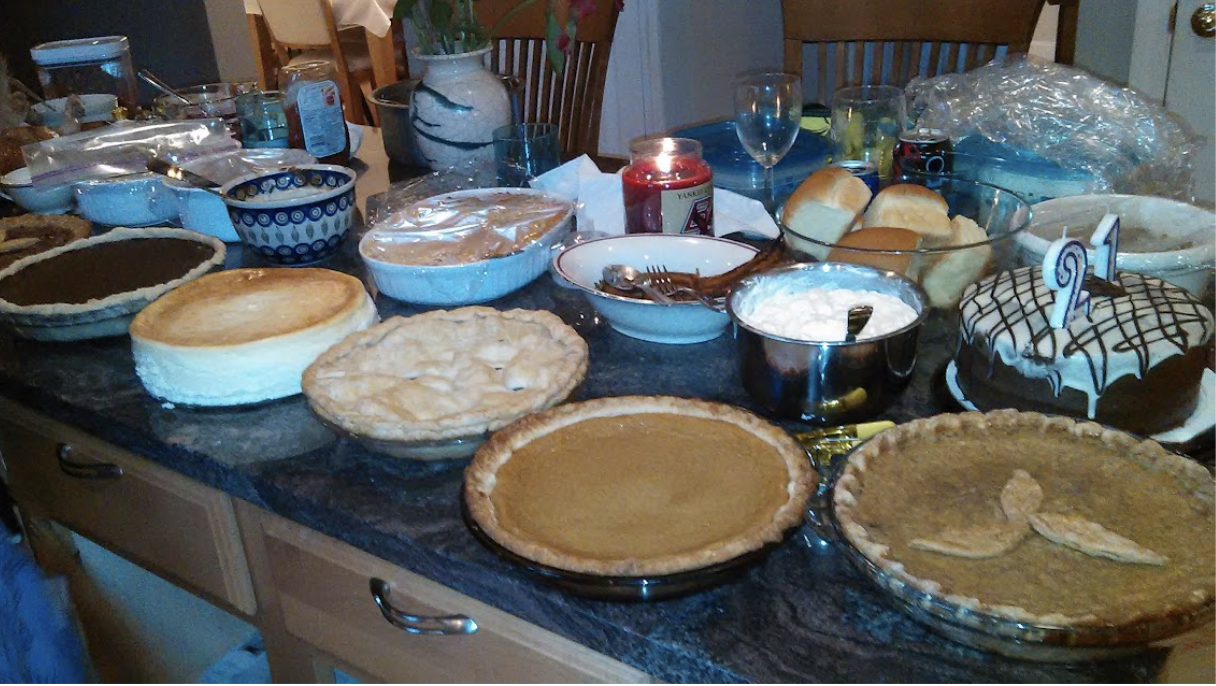
The holidays are such a great time to hit pause and reflect. As we gather around the table for those familiar, comforting meals, dig out ornaments with years of memories, and watch the sheer joy in a child’s eyes, I always think about Charles Dickens. He really nailed it with A Christmas Carol, showing us […]
You Can’t Update Your Estate Plan If You’re A Ghost

The spooky season is upon us! As the days grow colder and darker, Halloween decorations emerge, and we settle onto the couch for scary movies and candy corn (at least, I do). But there’s something even spookier than any ghost or goblin: the thought of leaving your family to navigate the unknown without a solid […]
After My Living Trust is Set Up, How Long Until It’s Funded?

A living trust is an excellent tool for estate planning. Think of it like a treasure chest – we build it and provide you with a couple of keys to the lock. But an empty treasure chest is essentially worthless. The same can be said for an unfunded living trust. Whether you have an existing […]
Why Spring Is the Perfect Time to Review Your Estate Plan
Life is constantly changing—marriages, births, new investments, retirement, and even changes in tax laws can impact your estate plan. If you haven’t reviewed your documents in a while, now is the perfect time to make sure they still reflect your wishes. Estate Plan Spring Cleaning Checklist by Jill M. Santiago, ESQ Review Your Will & […]
How To Help Your Parents With Their Estate Planning The Right Way

Let’s be real, talking about estate planning with your parents can be…awkward. But it’s also super important. You want to make sure they’re taken care of and that their wishes are honored, right? So, how do you navigate this tricky topic? Don’t worry, I’ve got you covered. Here’s a down-to-earth guide to help your parents […]
Wills Vs. Trusts Compared Side By Side

Wills and trusts the two most common tools used in estate planning to ensure your assets are distributed according to your wishes. While both serve the fundamental purpose of passing on wealth and protecting your loved ones, these documents function in different ways and offer distinct advantages. Understanding the key differences—such as probate avoidance, privacy, […]
How To Make An Estate Plan For Couples In Second (Or Third) Marriages

In the U.S., four out of ten marriages involve at least one person who has been married before. Second (or third) marriages come with unique challenges, mainly concerning finances and blended families. Estate planning for couples in second (or third!) marriages requires additional planning to protect your spouse and your family from unintended consequences, such […]
