
 (401) 307-5556
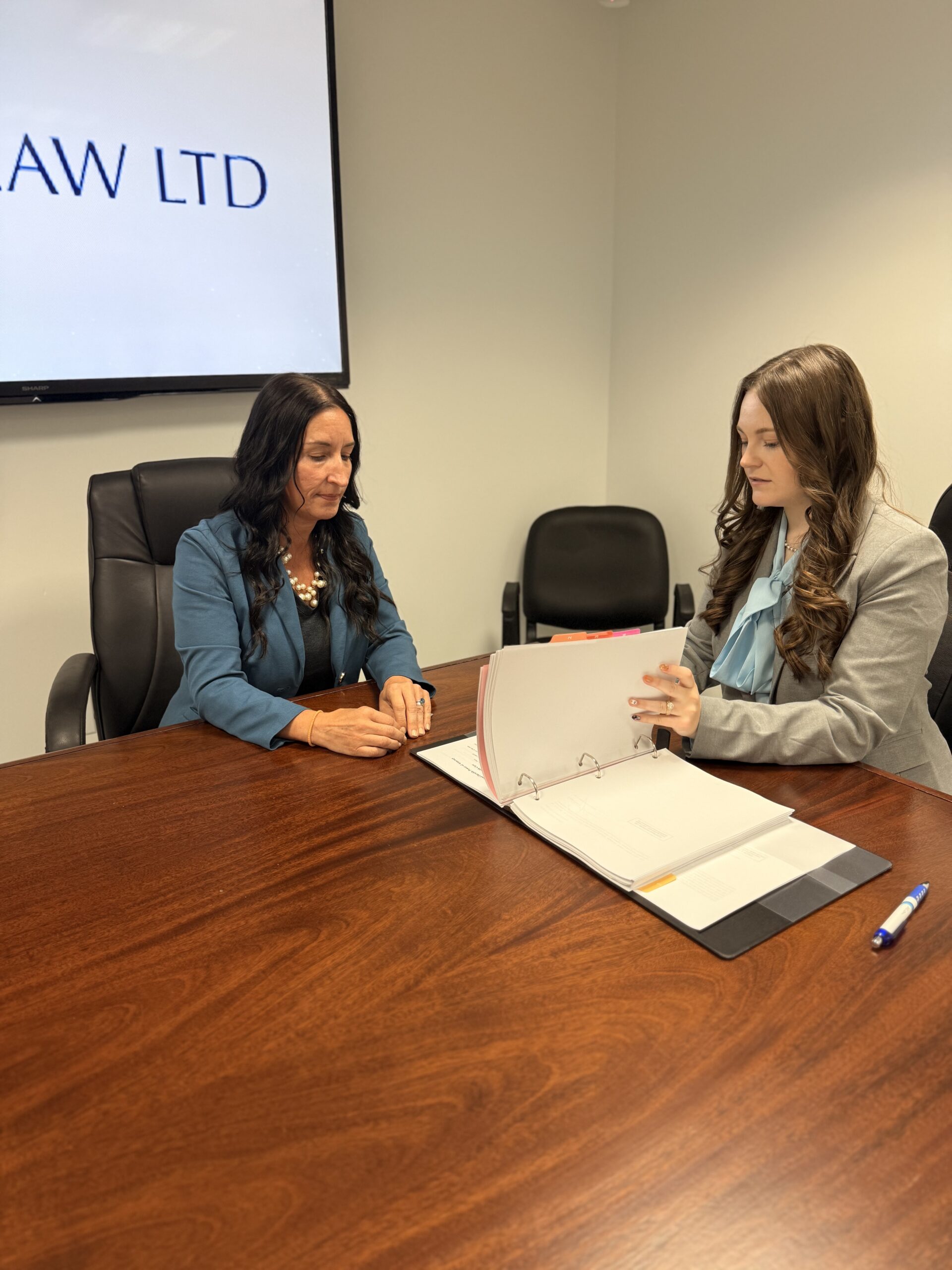
This is a super common question, and the short answer is probably. The deciding factor is what type of trust you are planning to utilize. Our clients, Dave and Laurie, came to us to create a trust. Their goal was to avoid probate and ensure their assets passed down to their two children easily and without unnecessary cost or hassle. However, they needed to have the ability to continue managing and using their assets during their lifetimes, for the things they want and need–such as paying regular bills, or taking a vacation. The type of trust they need is called a Grantor Trust.
What Is A Grantor Trust?
The majority of our clients creating trusts are creating a Grantor Trust. This simply means that the trust creator (also known as the Grantor, Trustor, or Settlor) is also the person or persons whose assets will be transferred into the trust. The features of a Grantor Trust are:
- Ability to revoke the trust
- Substitute assets in the trust
- Borrow from the trust without providing collateral or security
- Distribute trust income to oneself or to a spouse
- Add or remove beneficiaries from the trust
A Grantor Trust does not file a separate tax return; rather, it is a pass-through entity and will be set up utilizing the Grantor’s Social Security number. A large majority of our trust clients do transfer their homes into their trust—and many of those homes are still subject to a mortgage. Residential mortgages, particularly those borrowed for the purchase or refinance of a primary residence, come with a set of rules. The property must remain your primary residence, and you cannot sell or transfer title to the property without paying off the mortgage in full. This is the due-on-sale clause. As such, it seems logical that transferring your home to your trust would violate this clause—but it simply does not. Because you are creating a trust and funding it with your own assets that you will continue to use for your own benefit during your lifetime, this is not the type of transfer that triggers the due-on-sale clause. You remain personally responsible for the balance of the mortgage loan, and the mortgage lender continues to hold a lien against the property until it is paid in full. Simply put: if you pay, you stay; if you don’t, you won’t! The Garn-St. Germain Act is the federal law that protects you from foreclosure upon transferring your house into your trust. This law also prevents mortgage lenders from exercising the due-on-sale clause when a spouse or family member inherits a home with an outstanding mortgage balance. The law prevents mortgage lenders from forcing the new owner to refinance or assume the loan. They are allotted the opportunity to continue making the payments, and as long as these obligations are met, foreclosure cannot happen. However, if you want to transfer your home into a non-grantor trust, an LLC, a corporation, or another type of legal entity, you are certainly risking being forced to pay off the loan.
Understanding Non-Grantor Trusts
Non-grantor trusts include charitable trusts, certain dynasty trusts, and/or asset protection trusts. The purpose of these is to remove assets from the individual’s control and distribute income and principal to someone else (like a charity). These are usually created for very wealthy individuals for tax planning purposes and are sometimes used in conjunction with grantor trusts.

Investment Property vs. Primary Residence
When you apply for a mortgage to purchase a home, the terms of the loan are based on the risk assumed by the lender. For instance, if you have a sketchy credit history, you are a greater risk and will likely pay a higher interest rate and fees in order to secure the mortgage. Also, lenders assume that people are less likely to walk away from their primary home if financial trouble brews, as opposed to a second home or a rental property. As such, rates and fees are higher to reflect the additional risk. Transferring your home into a non-grantor trust, an LLC, or a corporation indicates that you may be willing to allow the property to go into foreclosure, as you are effectively removing yourself from the picture, even though you remain personally responsible for the balance.
Put Your House Into A Trust With Confidence
Rest assured you can complete your estate plan even if you still have a mortgage and that you are not creating chaos for your family just because you did not pay off the mortgage before your death. An experienced estate planning attorney covering Rhode Island and Massachusetts can help. Click below to schedule a call with me.