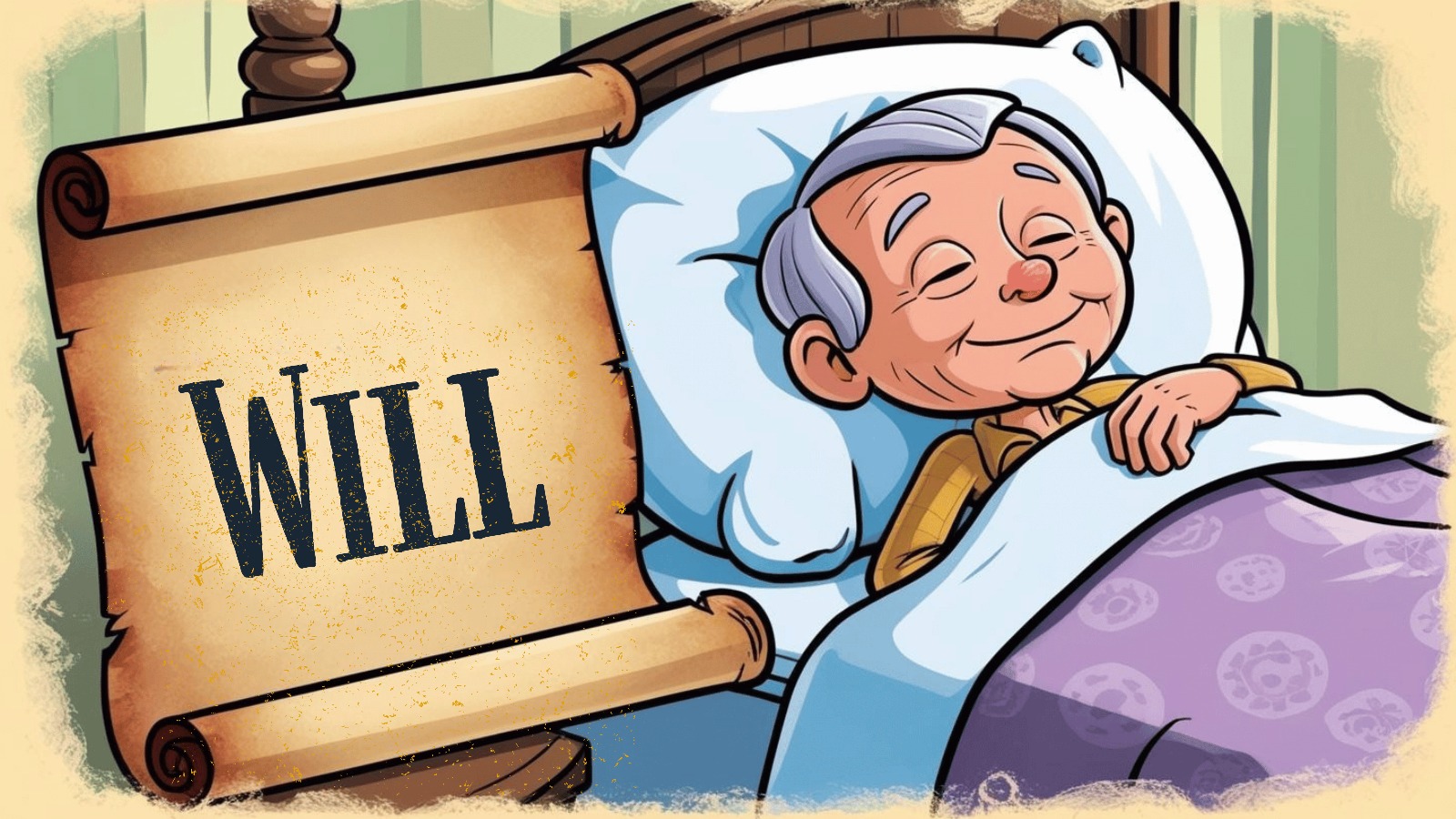
Why Writing An Estate Plan On Your Death Bed Is A Bad Idea

We all know life can be unpredictable. Estate planning isn’t exactly at the top of most people’s to-do lists, and it’s easy to put off making a will—until time starts running out. This is where deathbed wills come in—wills that are created at the very last moment, often in stressful, emotional situations. You want to avoid this situation at all costs.

At first glance, a deathbed will might seem like a way to make sure your final wishes are honored before it’s too late. But in reality, these last-minute documents often cause more problems than they solve. From legal disputes to delays in probate, a deathbed will can leave your loved ones dealing with unnecessary stress and frustration. Let’s talk about what a deathbed will is, why it’s risky, and how to make sure your estate is in order long before it becomes an urgent situation.


What Is a Deathbed Will Anyways?

A deathbed will is a will that is created and signed when someone is near the end of life—often in a hospital or nursing home. These wills usually come about in urgent situations, like when someone realizes they never made a will or wants to change their existing plan at the last minute.  To the rest of the world this is known as emergency estate planning.

While a deathbed will can be legally valid (as long as it meets the requirements for signatures and witnesses), it is also highly vulnerable to legal challenges. And unfortunately, when there’s confusion or doubt about a will, it’s usually the surviving family members who are left to sort it out—sometimes through long and costly court battles.


4 Simple Reasons Creating A Will On Your Deathbed Is A Bad Idea


1. They’re Easy to Challenge in Court

Deathbed wills are created under intense emotional and physical stress, which makes them prime targets for legal disputes. Family members may question:

  • Did the person have the mental clarity to sign a will? If they were on strong medication or struggling with dementia, their capacity to make decisions could be called into question.
  • Was the will influenced by someone else? If a caregiver, relative, or friend pressured them into making changes, the will could be challenged for undue influence.
  • Did the will follow legal requirements? Here in RI, like many states, a will must be signed in the presence of two non-related witnesses, and preferably, the witnesses’ signatures are notarized. If any of these elements is missing, the will is not valid.

Because of these concerns, wills created on your deathbed are much more likely to end up in court, delaying the distribution of assets and increasing legal costs.

I have received dozens of requests to make or update estate plans for persons on a deathbed. I can count on one hand the number of times I have actually agreed to do it. I did take on a client who was in the hospital and had just received a grim diagnosis. Given only weeks to live, she was desperate to get her affairs in order. Because of the travel and rush request, she agreed to pay three times my regular rate for getting the plan done. She had a lot of assets and would have benefited from creating a living trust, but because it did not look like she would live long enough to actually fund the trust we opted for a will plan. It was complicated and took two years to probate.


2. Probate Can Be a Nightmare

Probate can be complicated even with a valid will prepared in advance. But when a will is made on a deathbed, things can get messy fast.

  • If the new will significantly changes an earlier version, such as disinheriting someone or giving a larger share to one person, you can expect family disputes.
  • If someone believes the will was made under pressure or while the person was ill or confused, they may challenge the validity in court, dragging out the probate process for months or even years.

What should be a straightforward process can turn into a painful legal battle, leaving loved ones stuck in limbo.

Years ago I was involved in a probate court for a man who died in a nursing home a few months after having an accident. While in the facility he changed his will, omitting his only living child and giving all his assets to a family friend. His adult child contested the will, claiming he was not competent when the new will was made and that he was unduly influenced by the friend. There was some medical evidence showing there was a head injury that caused confusion. The case was tied up on court for several years and cost all parties tens of thousands of dollars to litigate. By the way, I no longer take contested probate matters!


 3. Rushed Wills = More Mistakes

A well-thought-out estate plan takes time. When someone is rushing to get a will done in their final moments, mistakes are more likely.

  • Important assets might be forgotten—real estate, bank accounts, or retirement funds may not be properly accounted for.
  • Key beneficiaries may be left out—this could unintentionally disinherit a loved one.
  • Legal wording might be unclear, creating confusion about how assets should be divided.

Even small errors in a will can lead to major disputes later on. For example, a will can be invalidated if there is evidence to show that it is contrary to the testator’s intent. Typographical errors such as misspelled names or missing suffixes (Jr., Sr.) can lead to confusion.


4. A Will Alone Isn’t Enough

A will is just one piece of a strong estate plan. When a last-minute will is made, other crucial documents are often overlooked, such as:

  • Trusts – These help avoid probate and can protect assets for loved ones.
  •  Powers of Attorney – These allow a trusted person to manage finances and healthcare decisions if you become incapacitated.
  • Beneficiary Designations – Many assets (like life insurance and retirement accounts) aren’t covered by a will—they go directly to the named beneficiary.

Relying on a deathbed will means missing out on these essential estate planning tools.


How to Avoid Creating A Will On Your Deathbed

The best way to protect your loved ones and ensure your final wishes are honored is to start planning now, while you’re in good health and have time to think things through.

  • Make Your Will Now – It doesn’t have to be complicated! A simple will is better than none, and you can update it as needed.
  • Work with an experienced Estate Planning Attorney – They’ll make sure your documents meet state laws and hold up in court.
  • Review Your Plan Regularly – Life changes—marriage, kids, new assets—so using estate planning services to update your plan every few years can give you peace of mind.
  • Talk to Your Loved Ones – Let your family know your plans so there are no surprises later.


Final Thoughts on Emergency Estate Planning

I get it—thinking about estate planning isn’t exactly fun. But waiting until the last moment to make a will can create more problems than it solves. A little planning now can save your family stress, money, and legal headaches later. If you’re ready to get started, we’re here to help. Schedule a consultation today and take the first step toward peace of mind for you and your loved ones.

How to Determine Mental Capacity for a Will or Estate Plan?

Estate planning is one of the most important steps you can take to protect your legacy and provide for your loved ones. Yet, far too often, people delay creating or updating their estate plans until they are well into their later years. While it’s never too late to plan, waiting too long can lead to unexpected challenges—especially when it comes to mental capacity.

As we age, the risk of cognitive decline increases. Conditions like Alzheimer’s disease, dementia, and memory problems become more common, potentially impairing the ability to understand and make decisions. For those who wait until these issues arise, the result can be a loss of control over their estate and the potential for family disputes.

In this blog, we’ll explore the concept of mental capacity, why it is essential for estate planning, and the guidelines that estate planning attorneys must follow to document capacity and ensure your estate plan documents are legally enforceable.


What Is Mental Capacity in Estate Planning?

Mental capacity refers to a person’s ability to understand and make informed decisions about their estate and its distribution. The specific requirements for mental capacity can vary depending on the document being signed and the jurisdiction, but generally, it involves the ability to:

  1. Understand the Nature of the Document: The person must know they are creating an estate planning document, such as a will or trust.
  2. Understand Their Assets: They must have a general understanding of the type and extent of their property.
  3. Understand Their Relationships: They should know who their beneficiaries are and the effect of their decisions on these individuals.
  4. Make Decisions Free of Undue Influence: The person must make decisions voluntarily, without being coerced or manipulated by others.

Take stock of these four factors. A lack of understanding of any or all of these factors can point to diminished capacity. As long as you or your loved one are able to clearly understand these factors, the mental capacity to create an estate plan still exists. Don’t wait until it is too late – contact an experienced estate planning attorney right away!


Signs of Diminished Capacity, What is Diminished Capacity?

“Diminished Capacity” simply means a person is unable to fully understand the nature and consequences of an act. If you are helping a loved one with their estate planning, watch for signs of diminished capacity, such as:

  • Difficulty remembering basic details, like names of family members or assets.
  • Trouble following the conversation or appearing confused about the purpose of the discussion.
  • Susceptibility to suggestions or pressure from others.
  • Inability to articulate reasons for their decisions.

My Story Of Working With A Family Where The Father Had Early Signs of Short Term Memory Loss

I recently met with a family to create a  plan for their dad, who had early stage dementia. He was still living alone and caring for himself, but experienced short term memory loss. However, there was no medical diagnosis at that time. During our first meeting, the dad became confused and frustrated, so I ended the meeting.

A few weeks later the family reached out again, and asked if we could meet early in the morning, as dad was better in the mornings. At our second meeting, the dad was clear about his wishes and demonstrated that he understood the nature of the documents we were creating for him. When it came time to sign, I was careful to review everything with him again and documented his understanding of the plan. These are the steps I take to ensure the estate plan will hold up to any challenges relating to mental capacity.


Steps to Assessing your Loved Ones Mental Capacity

In my practice, I meet with clients several times before we sign any estate planning documents. These meetings are designed to determine a client’s goals and wishes, and also to ensure the client has the requisite mental capacity which make these documents legally binding.

This starts with a conversation. 

Once we sit down together I am going to ask open-ended questions to determine if the person understands the purpose of the estate planning process. For example:

  • “Can you tell me what this document is for?”
  • “Who do you want to inherit your property?”

I also take detailed notes of the conversation and document the person’s responses. This record can be invaluable if the plan is later challenged. If there are doubts about their capacity, together we’ll weigh the options and consider involving a doctor or licensed mental health professional to evaluate the individual’s cognitive state. A medical evaluation can provide a formal assessment of their capacity. This will keep us out of court in the event someone decides to contest the estate plan and is a precautionary measure.

The use of “disinterested witnesses.”

When signing estate planning documents, in addition to the attorney, one or more neutral witnesses should also be present when the documents are signed. These witnesses can attest to the person’s mental state if it is questioned later.

Dealing with Challenges to Capacity

Even if capacity is established at the time of signing, disputes can arise after the person’s death. Heirs can claim that the individual was not competent or was under undue influence at the time the plan documents were signed. To reduce the risk of post-mortem capacity challenges:

  • Early Planning: Estate planning is best done well before any signs of cognitive decline.
  • Include Professional Documentation: A medical assessment or attorney’s certification of capacity can support the validity of the documents.
  • Consider Video Evidence: Recording the signing process can provide further proof of the individual’s understanding and intent. However, estate planning attorneys have differing opinions about the effectiveness of video evidence for challenges to capacity – a recording may create more issues than it solves.

Final Thoughts

Determining mental capacity is a critical step in the estate planning process. It ensures that the individual’s wishes are honored and reduces the risk of disputes. If you have concerns about your own capacity or that of a loved one, don’t hesitate to consult an experienced estate planning attorney. Planning for the future is a thoughtful and empowering act—ensuring it’s done correctly is just as important!