
How to Choose a Nursing Home Without Losing Your Mind or Your Money

Let’s be honest — no one dreams of picking out a nursing home. But when the time comes, whether for yourself or someone you love, making the right choice can mean the difference between peace of mind and panic mode. The good news? With a little planning (and maybe a friendly estate planning attorney in your corner), you can make the process far less stressful — and even empowering.


1. Start Early — Like, Now

The best time to look into nursing home options is before you actually need one. When you’re not in crisis mode, you can tour facilities, ask questions, and weigh your options without feeling rushed. Waiting until a hospital discharge with only 48 hours to find a bed? That’s like apartment hunting with your eyes closed — in the rain.


2. Make a “Must-Have” List

Not all nursing homes are created equal, and what works for one person might not work for another. Start by thinking about what’s truly important. Ask yourself these questions:

  1. What level of care is needed? (Assisted living, memory care, full skilled nursing?)
  2. Is the facility close to family and friends who’ll visit often?
  3. Are there nearby hospitals and specialists in case of medical needs?
  4. What’s the social vibe like — do they offer activities and events?
  5. Are religious or cultural needs taken into account?
  6. What’s the staff-to-resident ratio? And do the staff actually stick around?

Proximity really matters — especially for maintaining relationships, making regular visits easier, and staying connected to the local medical community. Being closer to familiar people and places can make a huge difference in someone’s emotional and physical well-being.

You can also use tools like Medicare’s Nursing Home Compare (Medicare’s Nursing Home Compare) to check out ratings, inspection reports, and staffing details.


3. Go See It for Yourself (and Maybe Pop in Unannounced)

Those glossy brochures? Lovely. But a real-life visit — especially a surprise one — tells you much more. Is it clean? How does it smell? Do the residents seem happy and well cared for? How do staff interact with them? Trust your gut, your nose, and your instincts.


4. Understand the Cost — and How You’ll Cover It

Sticker shock is real. The median cost of a semi-private room in a nursing home is now over $11,000 per month. Here’s how most people handle the cost:

Long-Term Care Insurance: If you have it, now’s the time to dust off that policy. Just make sure it covers the type of care you’re considering — and note any waiting periods before benefits kick in.

Medicaid: Yes, Medicaid covers nursing home care — but it’s income- and asset-based. The rules are tricky, and mistakes (like giving away assets too late) can delay eligibility. Early planning helps you protect assets and avoid headaches.

Private Pay: Without insurance or Medicaid, it’s out-of-pocket. That can drain savings fast. It’s smart to understand what you’re agreeing to — and what other resources may be available.


5. Talk to an Estate Planning Attorney (Hi, That’s Us!)

This isn’t just a financial decision — it’s a legal one, too. We can help you navigate Medicaid eligibility and protect your assets, legally. We will also review your long-term care policy, prepare or update your powers of attorney and healthcare directives, read the fine print on those confusing admissions agreements, and set up trusts or other planning tools to minimize risk.

We’re not here to sell you anything — just to make sure your legal ducks are in a row and your choices are respected.


6. Watch for Red Flags 🚩

Some things should raise your eyebrows — and possibly your blood pressure:

🚩Facilities that demand a family member personally guarantee payment

🚩Vague or missing cost breakdowns

🚩A history of health and safety violations (check those inspection reports!)

🚩High staff turnover or negative online reviews from families


Choosing the right nursing home isn’t easy — but it can be

Choosing the right nursing home isn’t easy — but it can be manageable, and even empowering, when you’re prepared. A little early planning, some solid research, and the right support can help you make a decision that brings peace of mind to the whole family. Click below to schedule a meeting with a qualified Rhode Island estate planning attorney.

How To Use Power Of Attorney to Avoid Guardianship

Adults who are no longer able to handle their finances or make healthcare decisions for themselves are set up for “living probate,” which refers to a guardianship or conservatorship.

In simpler terms, you want to avoid guardianship for the same reason you want to avoid probate. The real situation you want to prevent while you are still alive is anything that’s going to start the probate process early.  So if you become incapacitated and cannot handle your finances or make good health care decisions for yourself – who has the authority to make these decisions on your behalf?  Do you want a court to make these decisions?  Or would you decide on your own?

If you do not already have a comprehensive estate plan, you can end up in probate court, subject to guardianship proceedings–While You Are Still Alive. Guardianship is essentially a “living probate.” Just like probate after death, it is a public process to appoint a person to look after your affairs, and you do not get any say in the matter.

So, how can you avoid such a situation? By creating a comprehensive estate plan that includes “Powers of Attorney” for your finances, property and healthcare. You appoint the person you want to handle these matters, not a probate court judge.


What’s a Power of Attorney?

A Power of Attorney (POA) is a legal document that lets you name someone you trust to handle things on your behalf—like paying your bills, managing your property, or talking to your insurance company—if you can’t do it yourself. This person is called your “agent” or “attorney-in-fact.”

POAs can be:

General – giving broad powers to act on your behalf.
Limited – authorizing specific actions or applying for a certain time period.

There’s also a Health Care Proxy (sometimes called a medical POA), which lets someone make medical decisions for you if you’re unable to speak for yourself.


More Than Just a Signature – How to Decide Who Is The Best Fit For Your Powers Of Attorney While You Are Still Alive

When you sign a POA, you’re giving someone the keys to your financial or medical life—so you want to pick that person carefully. Here are a few things to think about:

Do they live nearby in case of emergencies?

Are they capable of handling paperwork and talking to professionals?

Do you trust them 100% to act in your best interest?


Why the Right Wording Matters

Not all POAs are created equal. You can find templates online, but many of them are too vague—or sometimes too specific. That might work fine in theory, but in real life, banks, hospitals, or real estate offices might reject a POA that doesn’t include the exact language they want to see.

I have heard plenty of horror stories where a loved one thought they were prepared, only to be told their POA wasn’t valid for a crucial transaction. That’s why having a properly written POA—customized for your situation—is one of the best gifts you can give yourself and your family.


Bottom Line

If you want to avoid the stress and expense of living probate, a solid Power of Attorney and Health Care Proxy should be at the top of your estate planning to-do list. It’s a simple step that can save your loved ones from a legal headache down the road. If you work with us, your comprehensive estate plan will include POAs for both finances and healthcare–so your plan will protect you from day one, and you will never have to worry about living probate.

If you’re not sure where to start or want to review what you already have, we’re happy to help. Give us a call and let’s make sure your plan covers everything—not just what happens after you’re gone.

Why Writing An Estate Plan On Your Death Bed Is A Bad Idea
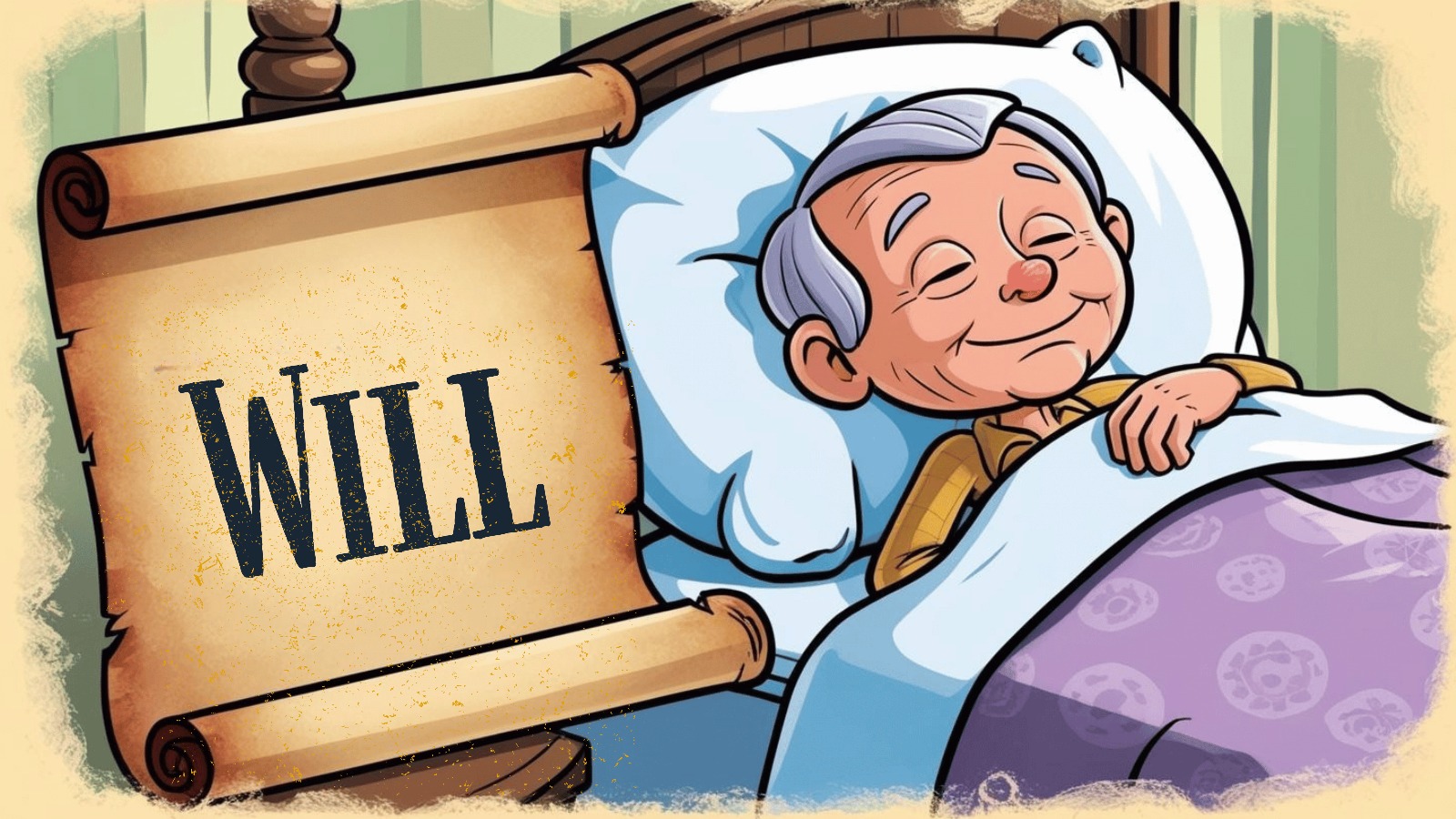
We all know life can be unpredictable. Estate planning isn’t exactly at the top of most people’s to-do lists, and it’s easy to put off making a will—until time starts running out. This is where deathbed wills come in—wills that are created at the very last moment, often in stressful, emotional situations. You want to avoid this situation at all costs.

At first glance, a deathbed will might seem like a way to make sure your final wishes are honored before it’s too late. But in reality, these last-minute documents often cause more problems than they solve. From legal disputes to delays in probate, a deathbed will can leave your loved ones dealing with unnecessary stress and frustration. Let’s talk about what a deathbed will is, why it’s risky, and how to make sure your estate is in order long before it becomes an urgent situation.


What Is a Deathbed Will Anyways?

A deathbed will is a will that is created and signed when someone is near the end of life—often in a hospital or nursing home. These wills usually come about in urgent situations, like when someone realizes they never made a will or wants to change their existing plan at the last minute.  To the rest of the world this is known as emergency estate planning.

While a deathbed will can be legally valid (as long as it meets the requirements for signatures and witnesses), it is also highly vulnerable to legal challenges. And unfortunately, when there’s confusion or doubt about a will, it’s usually the surviving family members who are left to sort it out—sometimes through long and costly court battles.


4 Simple Reasons Creating A Will On Your Deathbed Is A Bad Idea


1. They’re Easy to Challenge in Court

Deathbed wills are created under intense emotional and physical stress, which makes them prime targets for legal disputes. Family members may question:

  • Did the person have the mental clarity to sign a will? If they were on strong medication or struggling with dementia, their capacity to make decisions could be called into question.
  • Was the will influenced by someone else? If a caregiver, relative, or friend pressured them into making changes, the will could be challenged for undue influence.
  • Did the will follow legal requirements? Here in RI, like many states, a will must be signed in the presence of two non-related witnesses, and preferably, the witnesses’ signatures are notarized. If any of these elements is missing, the will is not valid.

Because of these concerns, wills created on your deathbed are much more likely to end up in court, delaying the distribution of assets and increasing legal costs.

I have received dozens of requests to make or update estate plans for persons on a deathbed. I can count on one hand the number of times I have actually agreed to do it. I did take on a client who was in the hospital and had just received a grim diagnosis. Given only weeks to live, she was desperate to get her affairs in order. Because of the travel and rush request, she agreed to pay three times my regular rate for getting the plan done. She had a lot of assets and would have benefited from creating a living trust, but because it did not look like she would live long enough to actually fund the trust we opted for a will plan. It was complicated and took two years to probate.


2. Probate Can Be a Nightmare

Probate can be complicated even with a valid will prepared in advance. But when a will is made on a deathbed, things can get messy fast.

  • If the new will significantly changes an earlier version, such as disinheriting someone or giving a larger share to one person, you can expect family disputes.
  • If someone believes the will was made under pressure or while the person was ill or confused, they may challenge the validity in court, dragging out the probate process for months or even years.

What should be a straightforward process can turn into a painful legal battle, leaving loved ones stuck in limbo.

Years ago I was involved in a probate court for a man who died in a nursing home a few months after having an accident. While in the facility he changed his will, omitting his only living child and giving all his assets to a family friend. His adult child contested the will, claiming he was not competent when the new will was made and that he was unduly influenced by the friend. There was some medical evidence showing there was a head injury that caused confusion. The case was tied up on court for several years and cost all parties tens of thousands of dollars to litigate. By the way, I no longer take contested probate matters!


 3. Rushed Wills = More Mistakes

A well-thought-out estate plan takes time. When someone is rushing to get a will done in their final moments, mistakes are more likely.

  • Important assets might be forgotten—real estate, bank accounts, or retirement funds may not be properly accounted for.
  • Key beneficiaries may be left out—this could unintentionally disinherit a loved one.
  • Legal wording might be unclear, creating confusion about how assets should be divided.

Even small errors in a will can lead to major disputes later on. For example, a will can be invalidated if there is evidence to show that it is contrary to the testator’s intent. Typographical errors such as misspelled names or missing suffixes (Jr., Sr.) can lead to confusion.


4. A Will Alone Isn’t Enough

A will is just one piece of a strong estate plan. When a last-minute will is made, other crucial documents are often overlooked, such as:

  • Trusts – These help avoid probate and can protect assets for loved ones.
  •  Powers of Attorney – These allow a trusted person to manage finances and healthcare decisions if you become incapacitated.
  • Beneficiary Designations – Many assets (like life insurance and retirement accounts) aren’t covered by a will—they go directly to the named beneficiary.

Relying on a deathbed will means missing out on these essential estate planning tools.


How to Avoid Creating A Will On Your Deathbed

The best way to protect your loved ones and ensure your final wishes are honored is to start planning now, while you’re in good health and have time to think things through.

  • Make Your Will Now – It doesn’t have to be complicated! A simple will is better than none, and you can update it as needed.
  • Work with an experienced Estate Planning Attorney – They’ll make sure your documents meet state laws and hold up in court.
  • Review Your Plan Regularly – Life changes—marriage, kids, new assets—so using estate planning services to update your plan every few years can give you peace of mind.
  • Talk to Your Loved Ones – Let your family know your plans so there are no surprises later.


Final Thoughts on Emergency Estate Planning

I get it—thinking about estate planning isn’t exactly fun. But waiting until the last moment to make a will can create more problems than it solves. A little planning now can save your family stress, money, and legal headaches later. If you’re ready to get started, we’re here to help. Schedule a consultation today and take the first step toward peace of mind for you and your loved ones.