
When Is Probate NOT Necessary In Rhode Island?

Losing a loved one is tough, and the thought of navigating the estate process, especially while grieving, can be daunting. While probate is the legal process necessary to transfer assets from the deceased person’s name to their heirs or beneficiaries, it is not always required. Let’s look at common situations that allow an estate to bypass the probate process entirely.


Jointly Held Assets

Assets such as bank accounts and real estate can be owned individually or jointly by two or more people. In a joint tenancy arrangement, the asset immediately becomes the property of the surviving joint owner upon the death of the other. Because the title is automatically transferred, there is no need for probate.


Assets with Named Beneficiaries

Certain assets, like life insurance policies and retirement accounts, allow the owner to name specific beneficiaries who will receive a direct payout upon their death. Often referred to as “Payable on Death” (POD) or “Transfer on Death” (TOD) designations, these provide quick transfers with minimal documentation to the named individuals, bypassing the need for probate.


Assets Owned By Legal Entities

A legally created entity, such as a Trust, Limited Liability Company (LLC), or Corporation, can hold title to assets. These entities are frequently established specifically for probate avoidance. Any asset owned by a legal entity is not subject to probate; instead, the entity’s governing documents dictate the disposition of the asset upon death.


Understanding when probate is Not necessary is important, but if it’s necessary contact an experienced probate attorney in Rhode Island

Understanding these common exceptions is the first step toward smart estate planning. By strategically titling your assets and utilizing beneficiary designations, you can save your loved ones significant time, expense, and stress after your passing. However, estate laws are complex and vary by state. Consulting with an experienced estate planning attorney is the best way to ensure your assets are titled correctly and your plan meets your specific goals for probate avoidance.

What Do I Do When A Family Member Dies In Rhode Island?

Grieving the loss of a family member is one of life’s most challenging experiences. The emotional weight of loss is compounded by stress and confusion, particularly when your loved one did not plan ahead. Without clear guidance from the deceased, families are left to navigate funeral arrangements, property sales, and asset distribution during an already overwhelming time.

This burden becomes even heavier when the person you lost was the primary provider or the one who managed household finances. Suddenly, you’re not only processing grief but also grappling with unfamiliar financial and legal responsibilities. You may feel lost about how to move forward without them.


You’re Not Alone in This Process

Every day, I meet people facing these exact circumstances. My role is to guide you through the probate process with clarity and compassion, helping you fulfill your legal obligations while honoring your loved one’s memory. While the road ahead may seem daunting, understanding the necessary steps can provide structure during this uncertain time.


Essential Steps in the Probate Process

1. Locate Existing Estate Planning Documents

Your first priority is to determine whether the deceased had a will or trust. These documents are critical roadmaps for estate administration.

If a will exists, the person named as executor or personal representative has a legal duty to come forward with the document. Under Rhode Island probate code, the will must be presented to probate court within 30 days of death. Similarly, if there’s a trust, you’ll need to identify the designated trustee. This individual bears the responsibility for administering the estate according to the deceased’s wishes.

I understand this may feel like an urgent deadline during a time when you’re simply trying to process your loss. An experienced estate planning attorney can help ensure you meet these requirements while managing the other demands on your time and emotional energy.


2. Identify and Notify Heirs and Beneficiaries

You’ll need to compile a complete list of heirs at law and any beneficiaries named in the will or trust. Gathering accurate contact information (including addresses, phone numbers, and email addresses) is essential for proper legal notification.

This step can be emotionally challenging, particularly if family relationships are complicated or if you’re uncertain about the extent of your loved one’s connections. Legal guidance can help you navigate these sensitive communications appropriately.


3. Obtain Critical Documents

Several key documents form the foundation of the probate process:

  • Death certificates: Secure multiple certified copies of the death certificate. Your funeral director or the organization handling burial or cremation services typically provides these documents. You’ll need several copies for various financial institutions, government agencies, and other entities.
  • Funeral bill: Obtain a copy of the funeral bill showing payment in full. Rhode Island law requires that funeral expenses be paid before any other bills or distributions from the estate. This legal priority recognizes the immediate need to honor the deceased with dignity.


4. Compile a Comprehensive Asset and Debt Inventory

Understanding the full scope of the estate requires gathering detailed financial information. This process, while time-consuming, provides the clarity needed to properly administer the estate.

You’ll need to collect:

  • Most recent statements for all bank accounts, investment accounts, and retirement accounts
  • Current utility bills, mortgage statements, property tax bills, and medical bills
  • Property deeds and motor vehicle titles
  • Any other documentation reflecting assets or liabilities

Did the deceased own real estate? Have investment portfolios? Maintain multiple bank accounts? Each asset must be identified, valued, and properly handled according to probate law. Similarly, outstanding debts must be documented and addressed in the legally prescribed order.

This inventory process can feel overwhelming, especially if your loved one handled finances privately or maintained complex holdings. Be patient with yourself as you work through this discovery phase.


Moving Forward with Professional Guidance

The information outlined above represents the essential building blocks of estate administration, but every situation is unique. Family dynamics, asset complexity, creditor claims, and potential disputes can all affect how your case unfolds.

Most estate planning attorneys are well-equipped to guide you through both probate and trust administration. An experienced attorney can help you:

  • Navigate court procedures and filing requirements
  • Understand your fiduciary duties and protect yourself from personal liability
  • Communicate effectively with beneficiaries and creditors
  • Resolve disputes or challenges that may arise
  • Ensure proper tax filings and compliance
  • Complete the estate administration efficiently and correctly

During this difficult time, you deserve support from someone who understands both the legal complexities and the emotional weight you’re carrying. While you cannot change what has happened, you can honor your loved one’s memory by handling their final affairs with care and diligence.

If you’re facing the probate process, I encourage you to seek the assistance of a qualified estate planning attorney. Having knowledgeable guidance can make the difference between a confusing, stressful experience and a manageable path forward. You don’t have to navigate this alone. Click below to schedule now.

The 3 Types Of “Estate” Attorneys, And Finding The Right Attorney For Your Needs

When you hear the word “estate,” what comes to mind? For many people, it conjures images of sprawling mansions with acres of manicured land. Others might think of estate sales, where a lifetime’s worth of possessions are sold after someone passes away. Still others associate it with real estate transactions, such as buying and selling homes.

In legal practice, however, the word “estate” carries multiple meanings, and this can create confusion when you’re trying to find the right attorney for your specific situation.

Let’s clarify the different types of estate law and help you identify which legal professional you actually need.


i. Estate = Property Owned by a Deceased Person

If you’re dealing with the aftermath of a loved one’s passing and need help distributing their assets, you’re looking for a trust and estates lawyer—specifically one who handles probate or trust administration.

These attorneys guide families through the legal process of settling a deceased person’s affairs. They help navigate probate court, interpret wills and trusts, address creditor claims, and ensure that assets are properly distributed to beneficiaries. This work requires specialized knowledge of inheritance law, tax implications, and court procedures.


ii. Estate = Arranging for Your Own Assets Before You Die

If you’re still living and want to ensure your assets will be distributed according to your wishes after you pass away, you need an estate planning lawyer.

Estate planners help you prepare for the future by creating essential legal documents such as wills, trusts, powers of attorney, and healthcare directives. They also provide strategic advice on how to structure your assets to minimize taxes, avoid probate, protect beneficiaries, and achieve your specific goals. Whether you’re planning for your children’s inheritance, protecting a family business, or ensuring your healthcare wishes are honored, an estate planning attorney helps you put the right legal framework in place.


iii. Estate = Buying or Selling Real Property

If you’re in the market to buy or sell a house, land, or other property, you need a real estate attorney.

These lawyers provide transactional services that protect your interests during property transfers. They conduct title searches to ensure clear ownership, review and draft purchase agreements, work with mortgage lenders, handle closing procedures, and resolve any issues that arise during the transaction. Real estate attorneys focus on the property itself rather than inheritance or legacy planning.


Finding The Right “Estate” Attorney For You 🙂

Not all law firms offer all three types of services. Some practices specialize in only one area, while others provide comprehensive estate-related services under one roof.

When you’re seeking a consultation, be clear about your specific needs. Are you settling someone’s affairs after their death? Planning for your own future? Buying or selling property? Asking the right questions upfront will help ensure you connect with an attorney who has the expertise to help you, and save you time and frustration in the process.

Understanding these distinctions is the first step toward getting the legal assistance you actually need. With the right attorney in your corner, you can navigate these complex matters with confidence and clarity.

At the offices of JMS Law Ltd, we help with planning and arranging your estate before and after death.  That’s our area of expertise in Rhode Island and Massachusetts. Book a call by clicking below now.

What Is That Document That States Who Will Get Your Money And Property After You Die?

When it comes to passing on your property to friends and family, you have options. Some formal, some informal. While informal methods might seem simpler in the moment, understanding the differences between approaches can help ensure your wishes are actually carried out. Let’s explore the various ways people plan for the distribution of their assets.

Informal Methods of Wealth Transfer in Rhode Island: Simple but Risky

I often hear people tell me they’ve used Post-it notes to designate who should receive certain items when they die. It might sound casual, but it’s surprisingly common. Others create what are called “holographic wills” which are handwritten documents that outline their wishes without formal legal preparation. Some people simply gather their family members together and verbally explain who should get what.

These informal designations can feel effective in the moment, and they certainly demonstrate your intentions. However, they have no legal teeth. If you truly want to ensure everything goes according to your plans, you should formalize your estate plan.


Why Formality Matters For Transferring Money or Property in Rhode Island

Here’s something many people don’t realize: every state has laws that dictate how your property will be distributed at your death if you make no other arrangements. These are called intestate succession laws, and they’re rigid. In the absence of a valid will or trust, courts will uphold these laws regardless of what you told your loved ones.

For example, you may have told everyone that you want your niece Susie to get the silver. But if you have a spouse or children and haven’t formalized this wish in a legal document, they will take priority under intestate law. Your verbal promises, however heartfelt, won’t override the state’s distribution scheme.


Formal Methods: Protecting Your Wishes

What Strong Estate Planning Attorneys Use To Transfer Your Money And Property After You Die

Wills

A will is the most basic estate planning document. It overrides intestate laws and allows you to dictate who will be in charge of your estate and who receives your assets. Most states have specific requirements for a will to be valid, typically including written form, your signature, and witnesses. When properly executed, a will gives your wishes legal force.

Living Trusts

A living trust is another legal instrument used to pass on assets, but it works differently than a will. With a trust, you must transfer ownership of your assets into the trust during your lifetime. This extra step offers significant advantages: it helps you avoid formal probate proceedings and keeps your affairs private, as trust administration generally doesn’t require court involvement.

Beneficiary Designations

For bank accounts, retirement accounts, and insurance policies, you can designate beneficiaries who will receive the funds directly upon your death. These designations bypass probate entirely and override what your will might say about those specific assets. It’s crucial to keep these designations up to date as your life circumstances change.

Transfer-on-Death Deeds

For real property, many states allow you to create a deed that dictates how the property will pass at the time of your death. This transfer-on-death deed allows real estate to pass directly to your chosen beneficiary without going through probate, while still allowing you to maintain full control of the property during your lifetime.


The Bottom Line

While informal methods of expressing your wishes might seem easier, they leave too much to chance. Formalizing your estate plan through legal documents ensures that your intentions have the force of law behind them.

Whether you choose a will, a trust, beneficiary designations, or a combination of methods, taking these formal steps gives you and your loved ones peace of mind that your wishes will be honored. Book a call with me today to get started.

Why You Shouldn’t Use AI To Write Your Estate Plan

A courtroom is a fantastic place for a lawyer to get a real education. I’m telling you, probate court is like a masterclass in “What Not to Do” when it comes to estate planning. I see all sorts of things, but the common theme is always the same: a badly-written plan leaves a massive, expensive mess for a family to clean up.


The Estate Planning Mistake One Client Of Mine Made Recently

One guy, bless his heart, used one of those self-help legal websites to whip up his will. He must have been having an off day because he somehow managed to name himself as his own executor! That’s right, he put himself in charge of handling his estate… from the afterlife. Apparently, his son did not bother to read the will, as he presented it to the court with the impression that he was the executor. That was one confused judge! The will was also not signed properly, and in the end, the court rejected it.

I could probably jot down 100 reasons why trusting your life savings and family’s future to artificial intelligence is a bad idea, but let’s just stick to the main point: These are serious legal documents with serious, real-world consequences.

For example, do you know the difference between per stirpes and per capita? If your answer is “Sounds like something from a fancy Italian restaurant,” then you absolutely need an attorney. These are not fill-in-the-blank puzzles.


Automated Legal Documents Aren’t New

Now, automated legal documents aren’t new. For decades, you could log on to a website, fill in a few boxes, and poof! Out pops a contract or a will. Sounds easy, right? Not so fast, my friend.

The whole process of planning your estate is full of legal landmines that most people don’t even know exist. A seasoned estate planning attorney is like a detective. We dig deeper and ask those awkward, slightly nosey questions to make sure your plan actually meets your goals, not just whatever the computer form asks for.

The newest generation of AI, like ChatGPT, is even more casual. You just politely ask it to “draft a will,” give it a few names, and it spits something out. But here’s the kicker:

ChatGPT can’t give legal advice. It just rearranges words. 

Artificial intelligence doesn’t care. It won’t ask the vital follow-up questions to uncover the elephant-in-the-room concern you didn’t even realize you had.


A Human Can Read The Room, Which An “AI” Bot Could Never Do

This brings me to the messy, human side of planning. Attorneys are just people with families and feelings. Experienced estate planning attorneys are especially good at reading the room. We pick up on your body language and tone, all the stuff you don’t say, to truly understand your worries and give you the best legal guidance. After all, a robot can’t offer you a comforting tissue or understand the quiet sigh when you talk about Uncle Frank.


Avoid Legal Landmines, Have A Real Experienced Estate Planning Attorney In Rhode Island Help You Today

Whether you stumbled across this blog post while searching for an easy way to draft your estate plan, or you currently have a will that you put together yourself or with the help of AI, you’re in the right place.  Resist the Robots!  Book a call with me and I’ll help you avoid tough lessons that come from experiencing probate court, saving you time and money!

A Christmas Carol for Your Estate: Protecting Your Legacy with a Little Holiday Spirit
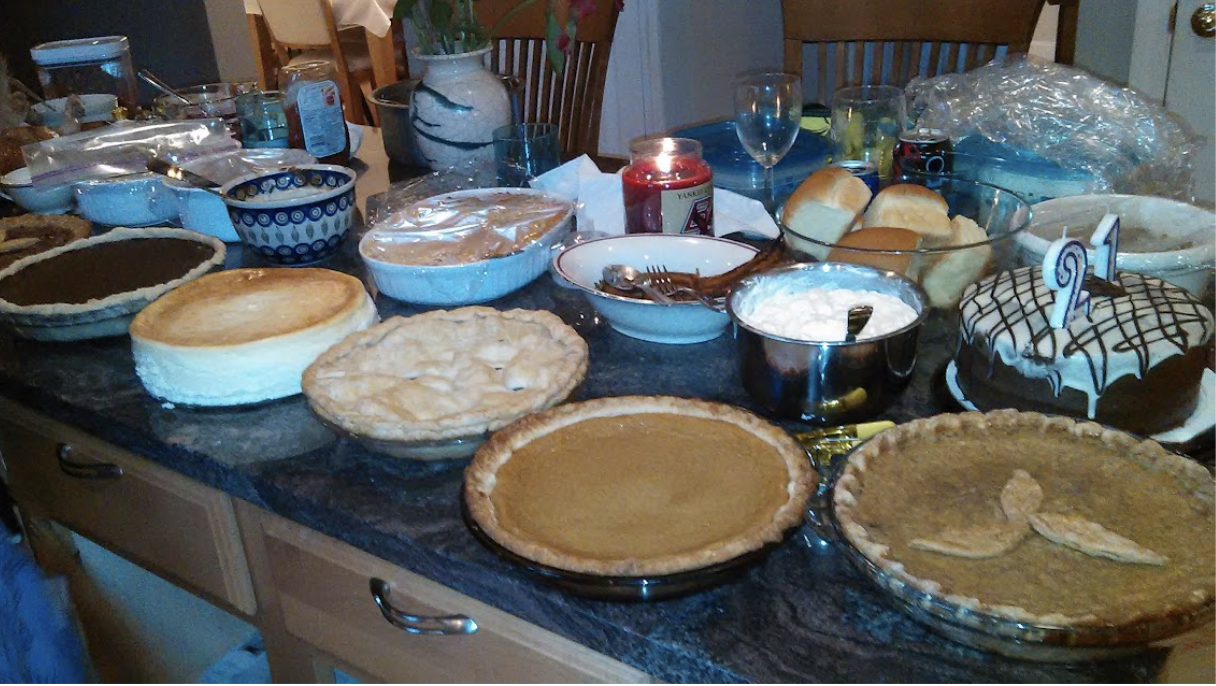
The holidays are such a great time to hit pause and reflect. As we gather around the table for those familiar, comforting meals, dig out ornaments with years of memories, and watch the sheer joy in a child’s eyes, I always think about Charles Dickens. He really nailed it with A Christmas Carol, showing us how our past, present, and future are all beautifully intertwined.

This year, as you celebrate with the people you love most, let’s take a cheerful cue from those three famous spirits and see what they can teach us about protecting the amazing life and legacy you’re building.

The Ghost of Christmas Past: Celebrating Your Roots

I instantly go back to my own holiday history. Every Christmas Eve, my Mom would make a traditional dinner, complete with her grandmother’s pierogies recipe. Christmas morning always brought some fun, exotic fruit in my stocking, and one year, Dad even let me skip school to go pick out the Christmas Tree!

We all do this, right? We keep those traditions alive without even thinking about it. We use the same cookie recipe, the worn decorations, the stories we tell every year. It’s how we keep the connection to our family’s history strong.

Estate plans are like that, too. They’re the perfect bridge connecting the successful life you’ve built to the legacy you want to leave. A smart plan makes sure everything you’ve worked for, whether it is your financial security, those cherished family heirlooms, and most importantly, the peace of mind that your loved ones will be cared for, is passed on exactly as you intended.


The Ghost of Christmas Present: Rolling with the Changes

Here’s the fun part that Christmas Past might forget to mention: traditions are meant to evolve! And that’s a great thing.

Maybe your family now celebrates on Christmas Eve to make everyone’s hectic schedules work. Maybe you’ve added new family members who’ve brought fantastic new customs—like seven fishes instead of a traditional ham, or Hanukkah candles shining right next to the Christmas tree.

The happiest, most resilient families aren’t the ones who cling rigidly to the past. They’re the ones who gracefully hold space for both the way it’s always been and the way it can be now. It’s all about continuity and flexibility.

Your estate plan deserves that same easy-going nature. Life happens! Families grow, assets shift, and laws change. That plan you made 20 years ago? It might need a little holiday refresh to truly reflect your current wishes and today’s rules.

This is why we say estate planning is a conversation, not a one-and-done chore. Regular check-ins ensure your plan bends when life does, just like the best family traditions.


The Ghost of Christmas Yet to Come: Estate Planning with a Wink

Okay, here’s the one Dickens originally cloaked in a bit of drama and darkness. But let’s spin it: the “Ghost of Christmas Yet to Come” simply reminds us to be proactive.

The future is coming, ready or not, and it’s full of changes we can’t always see. But unlike Scrooge’s scary vision, your future story is absolutely not set in stone! The positive choices you make today can change the ending completely.

Without a smart, comprehensive estate plan, your family might face:

Long, drawn-out probate proceedings.

Avoidable family disagreements over assets.

Unnecessary taxes taking a bite out of their inheritance.

Tough medical decisions made without your clear guidance.

Guardianship questions for minor children.

Assets being stuck exactly when they need them most.

With a comprehensive estate plan, you give your family the ultimate gift: a clear map in a moment of confusion, a loving direction when they’re grieving, and the assurance that they are absolutely honoring your wishes. You essentially protect them from the worst “what ifs.”


Your Scrooge Moment: A Fun, Fresh Start

The beautiful truth at the heart of A Christmas Carol is this: Scrooge wakes up with a fresh chance. It is absolutely, 100% not too late to change the ending of your own story.

If you don’t have a plan yet, or if yours hasn’t seen the light of day in a few years, let this season be your gentle, festive wake-up call. The spirits have popped by, the message is clear, and the best choice is now yours to make!

How To Talk To Your Parents About Estate Planning (Without Ruining Dinner)

Estate planning conversations can be awkward. Whether you’re discussing your own plans with loved ones or bringing up the subject with aging parents, these discussions require careful thought and sensitivity. Here are some tips on how to approach these important conversations in a way that strengthens family bonds rather than straining them.

Before I dive into the meaty parts of discussing estate planning with your parents, consider having a plan in place for yourself first. Beginning the conversation with “I recently created an estate plan and I feel so relieved that I did” is a great opener to a discussion with your family about the benefit of having a plan in place before it is too late.


The Harder Conversation: Talking to Your Parents

It’s a different story when you need to discuss estate planning with someone else, typically an elderly parent or grandparent who has been putting it off or just doesn’t want to talk about it. First and foremost, respect their privacy. It’s their estate, and they have the right to handle it as they see fit.

That said, estate planning isn’t just about “who gets what.” There are other critical aspects that affect the whole family, such as designating agents under financial and healthcare powers of attorney, living wills and end-of-life care directives, and ensuring someone can make decisions if they become incapacitated. These practical matters affect everyone, not just the beneficiaries.


The Wrong Way: Linda’s Mistake

Picture this: Linda invites her elderly parents to Sunday dinner. Her husband Dave picks them up. She prepares a big meal, dessert included. Everything seems warm and festive until Linda springs her true agenda.

“Mom and Dad, we really need to talk about your estate plan. You don’t have a will or trust, and you really need to get this done. You’re running out of time.”

Ouch. Talk about indigestion. Mom and Dad are blindsided. They thought they were there to enjoy time with family, not discuss their mortality over pot roast. They’re understandably upset, and the conversation crumbles faster than the apple pie crust.

The damage doesn’t stop there. Mom calls Linda’s sister Carol and reports what happened. Now Carol thinks Linda is greedy and controlling. The family rift deepens, and what should have been a helpful conversation has created lasting harm. All because Linda decided to approach this topic over mashed potatoes.

The lesson? Don’t ambush your parents at the dinner table. Don’t corner them or make them feel trapped. Estate planning discussions deserve their own moment, not a sneak attack between the main course and coffee.


The Right Way: Joe’s Approach

Joe took a different tack. After a close friend went through the nightmare of guardianship proceedings and probating his father’s estate with no plan in place, Joe became concerned about his own dad’s situation.

Instead of issuing directives, Joe approached his father empathetically. He shared his concerns and asked if his dad would be comfortable discussing estate planning with the family. No pressure, just a conversation. No dinner ambush required.

Dad agreed. Joe and his brother Bob scheduled a meeting with their father. Because Joe gave his dad control of the conversation and approached him with respect rather than demands, Dad recognized that something needed to be done. He even asked Joe and Bob to help him find a reputable estate planning attorney, since he “doesn’t use the computer.” Everyone wins when you treat people like adults who can make their own decisions.


My Tips for a Successful Conversation

👉  Schedule ahead of time. Call a family meeting in advance. Include everyone who is or would be affected by the discussion. Be honest about your intent. Surprises are great for birthday parties, not estate planning talks.

👉  Choose your language carefully. Avoid directives like “you should” or “you need to.” Instead, use phrases like “I’m concerned about…” or “I’ve been thinking about…” This keeps the conversation collaborative rather than confrontational. Nobody likes being told what to do, especially about their own affairs.

👉  Have an agenda. Once your family has agreed to discuss estate planning, prepare a simple agenda to keep the conversation focused and productive. What documents exist and what’s missing? Who should be named as executor, trustee, or agent? What assets exist and where they’re located? Any specific wishes or concerns? Having a plan for the planning conversation helps everyone feel more comfortable.

👉  Be patient. Don’t be surprised if it takes multiple meetings to work through everything. This is difficult subject matter for many people, touching on mortality, family dynamics, and deeply personal values. Rome wasn’t built in a day, and neither is a comprehensive estate plan.


The Relief At The End

Once an estate plan is in place, everyone can breathe easier. You’ll have peace of mind knowing that your loved one’s wishes will be honored, that someone can step in to help if needed, and that the family won’t face unnecessary legal headaches or conflicts during an already difficult time.

The key is approaching these conversations with empathy, respect, and patience. Done right, talking about estate planning can actually bring families closer together because it shows you care enough to have the hard conversations. Just maybe…maybe skip the dinner table as your venue of choice. 😉

When you’re ready, book a call with me and we’ll get you set up the right way the first time.

When People Ask What My Life Meant, Tell Them This:

There’s a question that haunts me in the quiet moments: When I’m gone, what will people say my life meant?

I used to think the answer would be found in my resume: the titles I held, the projects I completed, the professional milestones I achieved. I thought it would be measured in the things I accumulated, the size of my home, or the make of my car.

I was wrong.


The Things That Actually Matter

If someone asks what my life meant, I hope the answer has nothing to do with my job title or my bank account. Instead, I hope they’ll talk about the memories we made together: the spontaneous road trips, the lazy Sunday mornings, the inside jokes that made us laugh until we cried.

I want them to remember the stories I passed down: the tale of how my grandparents met, the one about my dad using pantyhose for Christmas stockings, the lessons learned from mistakes I wasn’t afraid to share. These stories are the threads that connect generations, the proof that our struggles and triumphs matter beyond our own lifetimes.

I hope they’ll mention the heirlooms I saved. Not because they were expensive, but because they carried meaning. The worn out quilt my grandmother made, that old cow painting from my uncle’s house, the handwritten recipe cards from my aunt, stained with flour and love. These objects aren’t valuable in dollars; they’re priceless because they hold our history.


Relationships Over Recognition

The older I get, the more clearly I see this truth: relationships are everything. Not networking relationships or professional connections, but the deep, messy, beautiful bonds we form with the people who truly know us.Jill’s

The visit with my childhood best friend matters more than the work conference I missed in order to take that trip. The times I spent taking my kids to the beach will outlast any work presentation I ever gave. The weekend visits with my aging grandparents are infinitely more important than the weekend overtime I missed.

When people remember my life, I want them to remember that I showed up. I was present. I put down my phone at dinner. I asked questions and really listened to the answers. I celebrated their victories and sat with them in their pain.


Experiences, Not Possessions

I’ve learned that experiences shape us in ways that possessions never can. The camping trip where everything went wrong but we laughed about it for years. The concert where we sang ourselves hoarse. The quiet evening watching the sunset from the porch. These moments don’t depreciate or collect dust: they become part of who we are.

Material things are wonderful, but they’re just things. They break, they fade, they get replaced. But the experience of building a fire with your kids, of teaching someone to cook your signature dish, of taking your parents on that trip they always dreamed about: those live forever in the hearts of everyone who was there.


Writing the Story That Matters

So when people ask what my life meant, I hope they’ll say this: She made us feel loved. She preserved our family’s stories so we’d always know where we came from. She chose us over her to-do list, again and again. She understood that a life well-lived isn’t measured in accolades or acquisitions, but in the richness of connection and the depth of presence.

This is the legacy I’m building, not in board rooms or bank accounts, but in laughter and tears, in shared meals and handed-down treasures, in moments both ordinary and extraordinary.

This is what I want my life to mean.

And the beautiful thing? It’s not too late for any of us to shift our focus, to invest in what truly matters, to start building a legacy that will warm hearts long after we’re gone.

You Can’t Update Your Estate Plan If You’re A Ghost

The spooky season is upon us! As the days grow colder and darker, Halloween decorations emerge, and we settle onto the couch for scary movies and candy corn (at least, I do). But there’s something even spookier than any ghost or goblin: the thought of leaving your family to navigate the unknown without a solid estate plan. The good news is, unlike those jump scares in horror movies, this story has a happy ending.


The Monster Under the Bed

Estate planning is like that monster you imagined under your bed as a child. The longer you avoid looking, the bigger and scarier it becomes in your mind. You know it’s there. You think about it at the most inconvenient times, like late at night, when you hear about someone else’s family crisis, during those quiet moments when worry creeps in.

But here’s what I’ve discovered after years of helping families–once you finally turn on the light and look under that bed, there’s no monster at all. Just relief.


The Relief Factor: Exorcising Your Worries

I call it the “Relief Factor,” and I see it happen nearly every single time.

Most people I work with have been haunted by this task for months, sometimes years. It’s been lurking in the back of their minds, casting a shadow over their peace of mind. They procrastinate for all kinds of reasons. Life gets busy, it feels uncomfortable, they’re not sure where to start.

And then, once it’s finally done? It’s like an exorcism. That haunting weight lifts. The anxiety vanishes.

I can honestly say I’ve never met anyone who regretted completing their estate plan. Not once. What I have heard, countless times, is: “I should have done this years ago” and “I can’t believe how much better I feel now that it’s finished.”


Banish the Ghosts of “What If”

The ghosts of “what if” can be truly frightening:

  • What if something happens and there’s no plan?
  • What if my family can’t access what they need?
  • What if they’re left fighting over my wishes because I never made them clear?

These are the real hauntings that keep people up at night. But you have the power to banish them completely.

The estate planning process doesn’t have to be a haunted house of horrors. It can be as simple as a friendly chat with an experienced estate planning attorney, who can help you unmask your assets, liabilities, insurance policies, and beneficiary designations. This seasoned professional can also help exorcise your fears about frightening long-term care costs and other spooky stuff like death taxes, leaving you with nothing but peace of mind.

No More Tricks—Just the Treat of Peace of Mind

You’ve been spooked by this task long enough. Don’t let another year pass with estate planning haunting you. Treat  yourself and your loved ones to clarity instead of confusion, preparation instead of panic, and that incredible Relief Factor that comes from knowing everything is handled.

The scariest part is over—it’s just the decision to begin. And I promise, once you do, you’ll wonder why you let it haunt you for so long.

How Much Life Insurance Do You Really Need? Let’s Figure It Out Together

Here’s a question I hear all the time. “Do I really need life insurance?” And right behind it comes, “How much should I actually have?” Let me answer the first one right away.

Yes, you really should have life insurance as part of your comprehensive estate plan. I remember a time when I let my life insurance lapse, thinking I’d get around to it later. Then COVID hit, and a wave of panic washed over me. The thought of leaving my family in a mess if something happened to me was terrifying. It was a stark reminder of why this planning is so crucial.

The Seatbelt Analogy

Getting life insurance isn’t “unlucky” or inviting bad things to happen. That’s superstition, not smart planning. Think of it like wearing a seatbelt. You don’t expect to get in an accident, but you buckle up anyway because you care about staying safe.

I get it. Life insurance isn’t exactly a fun topic. Nobody wants to think about not being around for the people they love. But here’s the thing… Getting this right means you can actually relax a bit, knowing your family will be okay no matter what life throws at them.

The tricky part? There’s no magic number that works for everyone. Your neighbor might need a policy with coverage of $500,000 while you may need a policy for $1.5 million, or vice versa. It all depends on your unique situation. So let’s walk through the factors you should think about when figuring out your coverage.


Start with Your Income

Let’s begin with the basics. Your paycheck.

Think about it this way. If you weren’t there to bring home your income, how long would your family need that money replaced? A year? Ten years? Twenty?

You’ve probably heard the “10 times your income” rule. If you make $75,000 a year, that would mean $750,000 in coverage. It’s not a bad starting point, but let’s dig deeper.

Do you have a toddler at home? You might want coverage that lasts until they graduate college. That’s easily 20+ years of income replacement. On the flip side, if your kids are already independent and your spouse has a solid career, you might not need quite as much.


What About Your Debts?

Let’s talk about what you owe, because nobody wants to leave their family with a pile of bills.

Your mortgage is probably the biggie. Many people want enough insurance to pay off the house completely. Imagine the peace of mind your spouse would have knowing they could stay in the family home without worrying about the mortgage payment.

Then there are the other loans. Your car payment, that personal loan, credit card balances. Some of these might not legally pass to your family, but if you have joint accounts or co-signers, those people are still on the hook.

And if you’re a business owner? Don’t forget about any personal guarantees you’ve signed. The last thing you want is for a business debt to come back and bite your family.


Kids and College (Yep, It’s Expensive)

If you’ve looked at college costs lately, you know they’re enough to make your head spin. We’re talking $100,000 to $300,000+ per child for a four-year degree, and that number keeps climbing.

Got three kids? That’s potentially close to a million dollars right there, and that’s just for college! If private school is part of your plan before college, add that to the tally too.

I know, I know. It sounds overwhelming. But that’s exactly why life insurance exists, and having an experienced estate planning attorney advising you is key. You’re essentially pre-funding these dreams so your kids don’t have to give them up.


The Expenses Nobody Likes to Think About

Here’s the uncomfortable truth. Dying is expensive. Funerals typically run $7,000 to $15,000 or more. Then there are estate administration costs, probate fees, lawyers, and those final medical bills that insurance didn’t cover.

These costs often need to be paid right away, before anyone can access your other assets. Life insurance provides that immediate cash when your family needs it most.

Let’s Talk About Your Spouse

This is where it gets really personal, and it’s different for every family.

Maybe your spouse has always been the one at home with the kids. They’ll need time (and possibly training or education) to get back into the workforce. Or maybe they’ve been working part-time. Could they ramp up to full-time while still being there for the kids?

And here’s something people often forget. Even if your spouse doesn’t earn a traditional paycheck, they’re providing valuable services. Someone will need to handle the childcare, meal planning, housekeeping, and everything else. That’s real money.

The bottom line? Think about whether your spouse could realistically maintain your family’s lifestyle on their income alone. If the answer is “not really” or “not without major changes,” that gap is what your insurance needs to fill.


Don’t Forget What You Already Have

Before you panic about needing millions in coverage, take a breath and think about what’s already in place.

Do you have savings? A 401(k) or IRA? Life insurance through work? Your kids might qualify for Social Security survivor benefits (yes, really check into this!). Investment accounts? All of these count toward your family’s financial cushion. Your life insurance should fill in the gaps, not duplicate what you’ve already got covered. Just be careful about counting on assets that aren’t easily accessible or that your family needs for retirement.


Your Age and Health Matter

Here’s something that might surprise you. Life insurance gets more expensive as you get older, and it’s harder to qualify for if health issues pop up.

If you’re young and healthy right now, this is actually your golden window. Personally, before letting my coverage lapse I was paying about $250 per year for my policy. Ten years later, the same coverage ran me about $200 per month! 

You can lock in lower rates for decades with term life insurance. Waiting until you’re older or until you have a health scare? That’’ll cost you both in higher premiums and possibly in coverage limits.


The Life You Want for Your Family

Okay, we’ve covered the necessities. But let’s talk about something more than just “getting by.”

What kind of life do you envision for your family if you’re not there? Would you want your spouse to have the flexibility to work less and spend more time with the kids during those crucial years? What about family vacations, music lessons, summer camps. The things that make childhood special?

Are there aging parents you help support? Charitable causes close to your heart? These aren’t frivolous add-ons. They’re part of your family’s life and values.


Some Helpful Ways to Crunch the Numbers

If you’re a numbers person, here are a few methods that might help:

The DIME Method is pretty straightforward. Add up your Debts, Income needs (times the number of years), Mortgage balance, and Education costs. Boom. There’s your number.

The Human Life Value approach gets a bit fancier, calculating what your future earnings would be worth today, minus what you’d spend on yourself.

The needs-based method is the most detailed. You basically create a full budget of everything your family would need, both ongoing and one-time, then figure out what lump sum would cover it all.

Honestly? Working with an estate planning attorney can be super helpful here. They’ve done this hundreds of times and can spot things you might miss.


This Isn’t a “Set It and Forget It” Thing

Life changes, and just like your estate plan, your insurance should change with it.

Had a baby? Time to reassess. Bought a house? Check your coverage. Got a big raise? Might need more. Paid off the mortgage? Maybe you can reduce your coverage (and save some money).

I recommend reviewing your policy every 3-5 years, or whenever something major happens in your life.


Here’s the Bottom Line

Figuring out how much life insurance you need isn’t about picking a random number or just going with whatever your company offers. It’s about really thinking through what your family would face financially without you, and making sure they’d be okay. Not just surviving, but actually okay.

Remember, life insurance isn’t really about you. It’s about the people you love. It’s about making sure that your family’s future is secure, that your kids can still chase their dreams, and that your spouse doesn’t have to make impossible choices during an already impossible time.  An experienced estate planning attorney can help, and I’d be happy to speak with you.  Book a call by clicking the link below.