
 (401) 307-5556
South County is Rhode Island’s most geographically expansive and ecologically distinctive region — an unofficial designation encompassing the coastal communities of Washington County that stretch from the Connecticut border eastward along the Atlantic shore to Narragansett Bay‘s western reaches.
The towns of Narragansett, South Kingstown, North Kingstown, Westerly, Charlestown, Richmond, Hopkinton, and Exeter together constitute what Rhode Islanders informally call South County — a region whose barrier beach coastline, saltwater ponds, working farms, and historic village centers give it a physical and cultural character unlike any other part of the Ocean State.
For Washington County residents, coastal property owners, and anyone tracing what makes Rhode Island’s southern communities distinctive, South County’s layered identity reflects centuries of maritime, agricultural, and residential history that continues to shape daily life in one of New England’s most sought-after coastal regions.
The Geography of South County’s Coastal Landscape
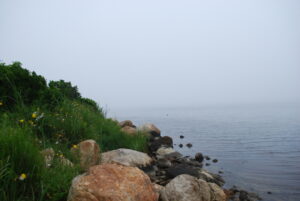
South County’s defining geographic feature is its barrier beach and coastal pond system — a chain of saltwater ponds separated from the Atlantic Ocean by narrow barrier beaches that runs nearly continuously from Westerly’s Watch Hill through Charlestown, South Kingstown, and Narragansett to the eastern edge of the region.
Ninigret Pond, Point Judith Pond, Narrow River, and the Narrow River Lagoon represent the most significant of these coastal water bodies — shallow, productive estuaries that support shellfish aquaculture, recreational fishing, wildlife habitat, and the scenic quality that has made South County’s shoreline among the most valued coastal real estate in southern New England.
This coastal pond geography creates the specific ecological conditions that sustain South County’s shellfish industry — the quahog and oyster harvesting operations that have been part of the region’s economy since the Narragansett people developed the harvesting practices that European settlers observed and adopted.
The U.S. Fish and Wildlife Service manages Ninigret National Wildlife Refuge on the shores of Ninigret Pond in Charlestown, preserving the coastal habitat that supports the migratory bird populations and aquatic ecosystems that the pond system sustains. Block Island — accessible by ferry from Point Judith — shares South County’s barrier beach and coastal pond ecology in concentrated form, representing the same Atlantic coastal landscape in an island setting that amplifies its distinctive character.
The Towns of South County and Their Distinct Characters
South County’s communities are not administratively unified — Washington County is a geographic designation without a county government, and each town maintains its own municipal identity, land use regulations, and community character. Narragansett, at the southern tip of the region on the Point Judith Peninsula, combines its identity as a summer beach destination with a year-round fishing community whose Point Judith fleet represents one of the most productive commercial fishing operations in the northeastern United States.
South Kingstown, the largest of the South County towns by land area, encompasses the University of Rhode Island’s main campus in Kingston alongside agricultural land, coastal ponds, and the historic village of Wakefield that functions as the region’s commercial hub.
North Kingstown, at the northern edge of South County along Narragansett Bay, carries a distinct maritime heritage rooted in the Quonset Point naval air station and the industrial and commercial development that has concentrated along its bay shore.
The Quonset Development Corporation documents the transformation of North Kingstown’s former naval air station into one of Rhode Island’s most significant industrial and commercial hubs — a history that connects the town’s contemporary economic identity to the layered civic development that Rhode Island’s State House civic history reflects at the statewide level.
Rhode Island’s Climate and the Coastal Community Rhythm
Rhode Island’s coastal climate gives South County a seasonal rhythm that shapes everything from the region’s tourism economy to the maintenance demands on its coastal property stock. South County experiences a humid continental climate moderated by its coastal exposure — with average July highs near 80°F, cool summers relative to inland New England, average January lows near 20°F, and approximately 47 inches of annual precipitation according to NOAA climate data for the Providence-Kingston area.
The Atlantic Ocean’s thermal mass moderates temperature extremes along the immediate coast, creating the milder conditions that distinguish South County’s shoreline towns from inland communities at the same latitude.
The coastal location that moderates South County’s climate also creates the seasonal hurricane and nor’easter exposure that shapes how property owners in the region approach building maintenance, storm preparedness, and the storm preparedness and property maintenance demands that coastal exposure creates.
Washington County’s barrier beach and coastal pond properties face specific vulnerability to storm surge, coastal erosion, and the long-term sea level rise that Rhode Island’s Coastal Resources Management Council monitors and regulates — creating the ongoing property management and legal considerations that distinguish coastal ownership from inland residential real estate across the Ocean State.
Agriculture, Fishing, and South County’s Working Landscape
South County maintains a working landscape dimension that distinguishes it from purely residential coastal communities — a combination of active farms, commercial fishing operations, aquaculture facilities, and the agricultural infrastructure that sustains the region’s rural character alongside its coastal amenity.
Washington County contains a significant portion of Rhode Island’s remaining farmland, with the agricultural communities of Richmond, Hopkinton, and the rural portions of South Kingstown and Exeter sustaining the dairy, vegetable, and specialty crop operations that connect the region to its agrarian roots despite the development pressure that coastal real estate values generate.
The University of Rhode Island’s Cooperative Extension program — operating from the Kingston campus at the heart of South County — provides the agricultural research, education, and outreach that supports Washington County’s farming community with the technical knowledge and market development resources that sustain small-scale agriculture in a high-cost coastal real estate environment.
The Blackstone River Valley represents the complementary dimension of Rhode Island’s working landscape heritage — its industrial mill history contrasting with South County’s agricultural and maritime character while reflecting the same Rhode Island tradition of communities shaped by their geographic and economic foundations.
South County’s Identity in the Context of Rhode Island
South County’s identity within the Ocean State reflects a consistent tension between the region’s appeal as a coastal destination and its residents’ commitment to preserving the working landscape, community character, and ecological systems that generate that appeal.
The barrier beach communities that draw summer visitors from across the northeastern United States also house year-round populations whose civic engagement, land use advocacy, and community investment sustain the towns’ identities across the full calendar year — not merely during the summer season when South County’s population swells with seasonal residents and day visitors.
South County’s coastal communities are governed by layered regulatory frameworks — the Rhode Island Coastal Resources Management Council’s shoreline regulations, the town-level zoning and land use policies that each municipality administers independently, and the civic planning standards that shape how Washington County’s barrier beach and pond communities manage growth, access, and environmental stewardship across the region.
For Washington County residents and anyone drawn to Rhode Island’s southern shore, South County’s communities, history, and working landscape make it one of the most distinctive corners of the Ocean State. The barrier beaches, coastal ponds, active farms, and historic village centers that define the region reflect centuries of human engagement with a demanding and rewarding coastal geography that continues to shape daily life across every town from Westerly to North Kingstown. Those exploring the history, ecology, and community character of South County Rhode Island will find a region whose identity runs far deeper than its reputation as a summer destination — a place where maritime heritage, agricultural tradition, and civic life have combined to produce one of New England’s most genuinely distinctive coastal communities.