
 (401) 307-5556
Roger Williams Park in Providence, Rhode Island, stands out as an expansive urban oasis where history, nature, and community life intersect, making it one of New England’s most significant cultural landmarks. Spanning more than 400 acres of water, woodlands, gardens, and cultural institutions, the park functions as both a daily retreat for residents and a destination for visitors from across the region.
Origins and Historical Significance
The story of Roger Williams Park begins in 1871, when Betsey Williams, a descendant of Rhode Island founder Roger Williams, bequeathed her family’s homestead and surrounding land to the City of Providence for use as a public park. This gift included property that traced back to land originally granted to Roger Williams by Narragansett leaders Canonicus and Miantonomo, rooting the park in the early history of religious freedom and Indigenous relations in New England.
During the late 19th century, Providence embraced the national movement for large urban parks and steadily expanded the site. What began as roughly 100 acres of farmland and woodland grew into a landscaped park of more than 400 acres, offering city residents fresh air and recreation as industrialization transformed the surrounding neighborhoods.
Landscape Design and Natural Beauty
To shape the new park, Providence hired noted landscape architect Horace W. S. Cleveland in the 1870s. Cleveland’s design emphasized curving roads and paths, clustered tree plantings, and carefully framed views over ponds and lawns, aligning Roger Williams Park with the picturesque ideals seen in other major 19th‑century parks.
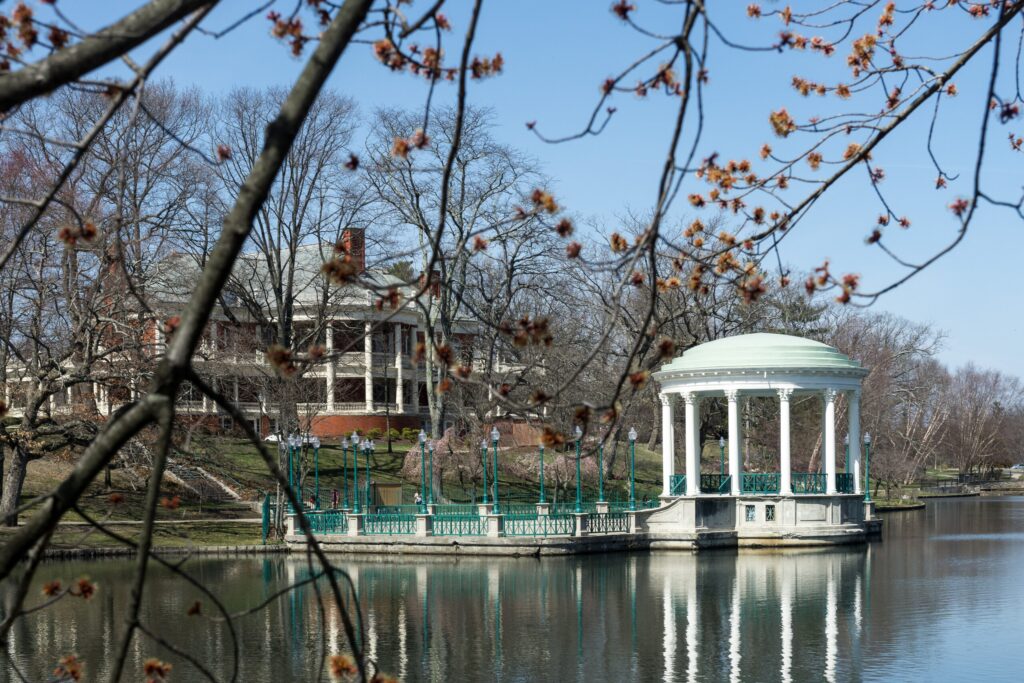
Today the park encompasses about 427–435 acres, including more than 100 acres of interconnected ponds that form islands, peninsulas, and varied shorelines. Visitors find rolling lawns, mature specimen trees, rose and Japanese‑style gardens, and wooded walking trails that offer a sense of retreat just minutes from downtown Providence. Seasonal color from flowering trees and annual plantings reinforces the park’s role as a year‑round backdrop for photos, picnics, and quiet reflection.
Cultural Institutions and Attractions
One of the park’s defining qualities is the concentration of cultural institutions within its boundaries. These attractions turn a simple walk in the park into an immersive experience in science, conservation, horticulture, and family fun.
Major features include the Roger Williams Park Zoo, among the oldest zoos in the United States, which houses over 100 species and hosts popular events like the Jack‑O‑Lantern Spectacular and holiday light displays that draw visitors from across the Northeast. The Museum of Natural History and Planetarium adds another layer of discovery with tens of thousands of fossils, minerals, and cultural artifacts, alongside educational astronomy programs for school groups and families.
The Roger Williams Park Botanical Center, one of the largest indoor botanical gardens in New England, showcases tropical and desert plants in expansive greenhouses, complemented by outdoor demonstration gardens. Carousel Village contributes a nostalgic touch with a classic carousel, playgrounds, and seasonal activities, reinforcing the park’s identity as a family‑friendly destination.
Events, Festivals, and Community Life
Roger Williams Park doubles as a major stage for Providence’s cultural calendar, particularly around the Temple to Music and other open lawns. Free and low‑cost events range from fitness walks and birding programs to concerts, movie nights, charity runs, and food festivals, keeping the park lively in every season.
The Temple to Music, a grand open‑air classical pavilion overlooking the water, is a focal point for large community celebrations. Festivals such as Juneteenth RI, the Dominican Festival & Parade, and Festival Guatemala bring thousands of people to the park with live music, dance, traditional foods, and cultural exhibits that highlight the city’s diverse communities. These gatherings turn the park into a shared outdoor living room where cultural heritage is celebrated in a highly visible, inclusive setting.
Recreation, Restoration, and Stewardship
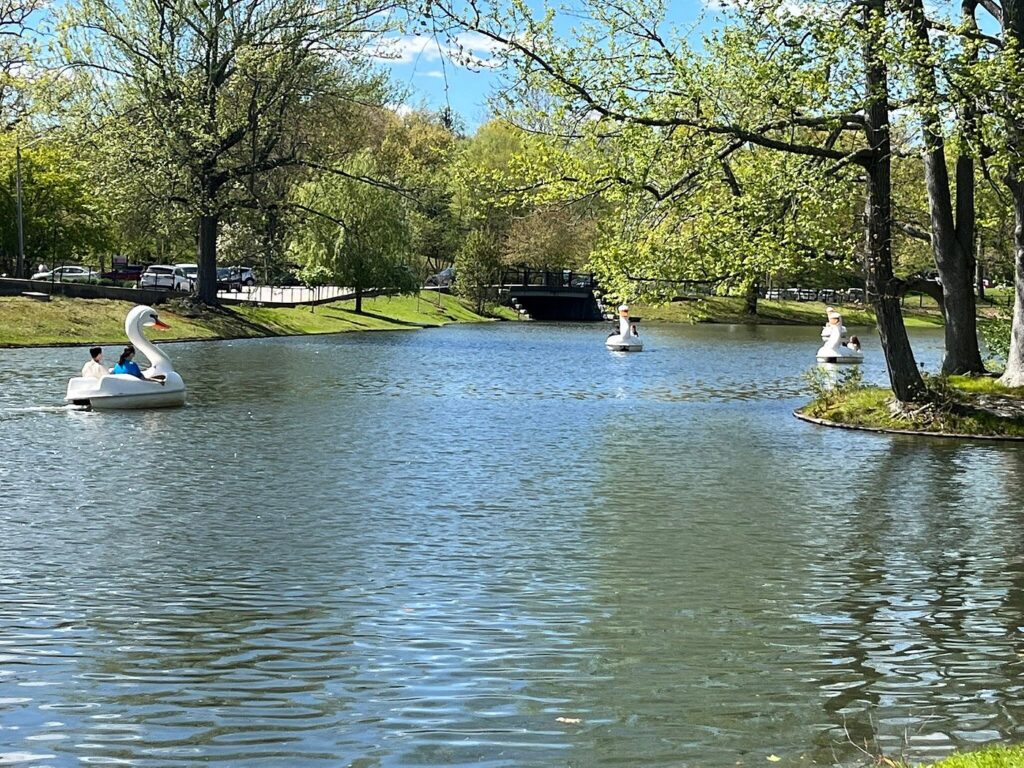
Recreational opportunities in the park extend well beyond walking paths and playgrounds. Visitors can rent swan boats, kayaks, electric boats, or join pirate‑themed and amphibious “duck boat” tours that glide across the interconnected lakes, offering new perspectives on the park’s bridges, islands, and wildlife. Designated walking trails ranging from short loops to longer lake circuits give joggers, bird‑watchers, and families structured ways to explore different corners of the landscape.
Over the past decade, significant investments have focused on preserving and enhancing this historic resource. A major campaign led by the Rhode Island Foundation and the Roger Williams Park Conservancy funded projects such as improved entrances and wayfinding, bridge and Casino repairs, pond restoration to improve water quality, and expanded bike and pedestrian infrastructure. These efforts balance historic preservation with contemporary needs, ensuring the park remains safe, accessible, and ecologically resilient for future generations.
For visitors who fall in love with Providence and Warwick and begin thinking more seriously about their long‑term plans in Rhode Island, partnering with a local professional can make future planning much smoother.
A Living Cultural Landmark
Roger Williams Park is listed on the National Register of Historic Places as a historic district, recognizing its blend of 19th‑century landscape design, architecturally significant structures, and enduring social role. Yet its status as a cultural landmark comes just as much from daily use and evolving traditions as from official designations.
With more than a million visitors each year, the park functions as Providence’s cultural heart: a place where school groups explore science and history, families share picnics and boat rides, artists and performers take the stage, and diverse communities gather to celebrate their heritage. In connecting past and present across its ponds, paths, and pavilions, Roger Williams Park continues to embody Providence’s identity as a city that values open space, cultural expression, and shared public life.