
 (401) 307-5556
Brown University has shaped Providence for more than 250 years, leaving a legacy that reaches far beyond its hilltop campus into the city’s economy, culture, and civic life. From its colonial founding to its role as a modern anchor institution, the university and the city have grown up together in ways that define Providence’s identity today.
Early roots on College Hill
Founded in 1764 as the College in the English Colony of Rhode Island and Providence Plantations, Brown University is one of the oldest institutions of higher education in the United States and the seventh-oldest college in the country. Initially located in Warren, Rhode Island, the college moved to Providence in 1770, where John and Moses Brown purchased a four-acre lot on the crest of College Hill to establish a permanent campus that would soon become a defining feature of the city’s skyline.
The university adopted the name Brown University in 1804 in honor of benefactor Nicholas Brown, cementing its identity within the community and linking the institution directly to one of Providence’s most prominent families. From the start, the campus was interwoven with the surrounding eighteenth- and nineteenth-century neighborhoods, creating a dense urban fabric where academic buildings, historic homes, and local businesses coexisted.
A tradition of openness and academic innovation
Brown’s legacy in Providence is also intellectual and social, grounded in a long-standing commitment to openness and academic experimentation. In the eighteenth century, the institution was chartered as a Baptist college, but it became the first Ivy League school to accept students from all religious affiliations, reflecting Rhode Island’s broader tradition of religious tolerance and pluralism.
Over the nineteenth and twentieth centuries, Brown distinguished itself through curricular innovation and an emphasis on student autonomy, developments that enhanced Providence’s reputation as a forward-thinking academic hub. Today, the university’s Open Curriculum and research strengths continue to draw students, faculty, and visitors from around the world, channeling fresh ideas, talent, and investment into the city each year.
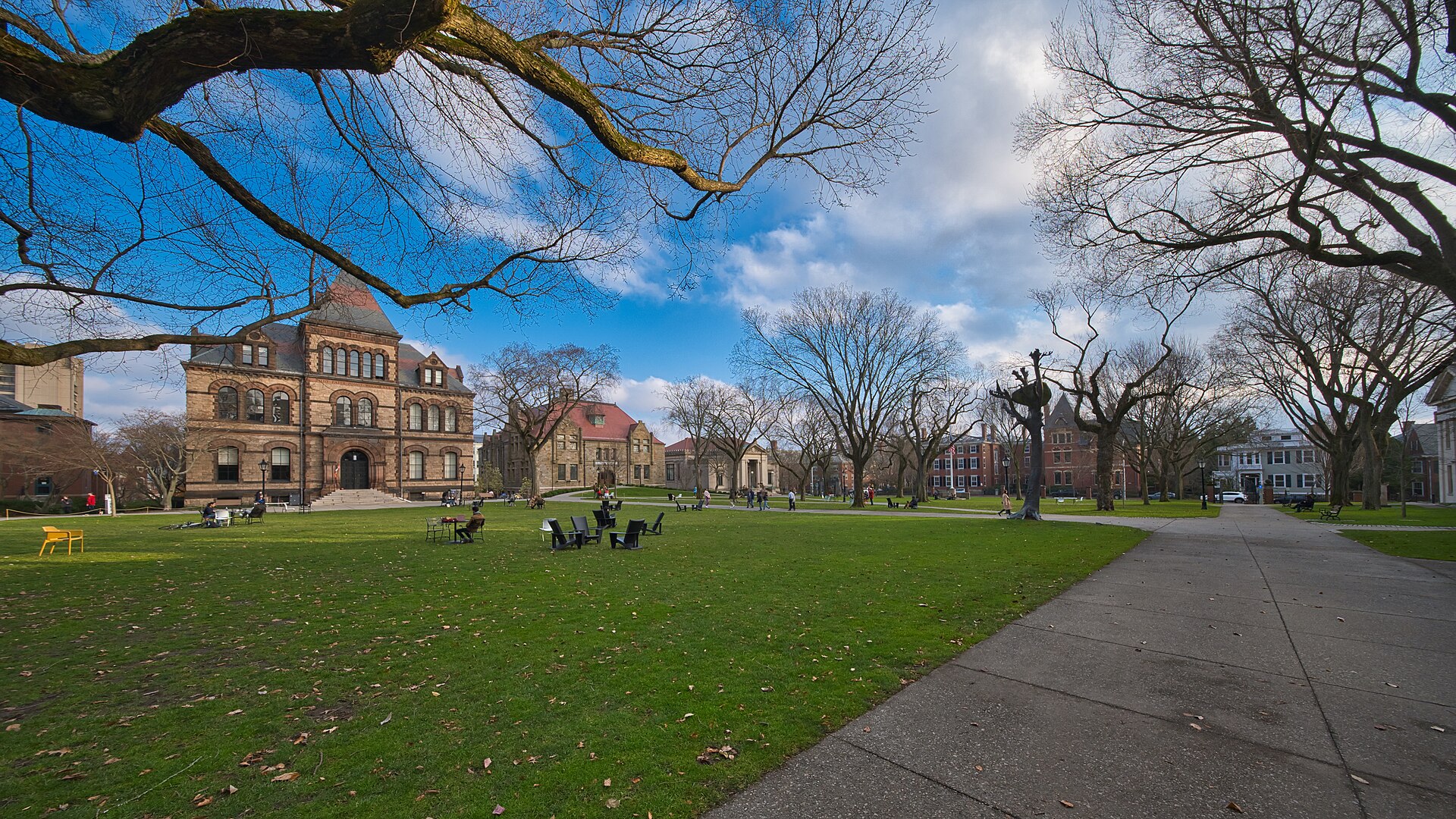
Image credit: Chris Rycroft, CC BY-SA 2.0, via Wikimedia Commons
Economic engine and anchor institution
As Providence’s economy has evolved, Brown has become one of the city’s most important employers and economic anchors. The university notes that it injects hundreds of millions of dollars into the local economy annually through payroll, purchasing, construction, and visitor spending. Brown is also the largest institutional landowner in Providence, with significant holdings on College Hill and in the Jewelry District, reinforcing its long-term stake in the city’s physical and economic development.
Beyond its tax-exempt status, Brown’s economic impact includes formal agreements with the city to provide substantial voluntary financial support. Under memoranda of understanding and agreement finalized in 2023, the university committed to $303 million in voluntary payments and community contributions between 2024 and 2043, making it the largest voluntary financial contributor to Providence. These payments, combined with ongoing construction investments and sponsored research spending, help stabilize municipal finances and fuel job growth in sectors from healthcare and technology to construction and services.
Community partnerships and urban impact
Brown’s legacy in Providence is equally visible in its community engagement and neighborhood partnerships. The university emphasizes priorities such as economic growth, educational access, and civic collaboration, positioning itself as a partner in addressing local challenges rather than an institution apart from the city. Brown supports Providence Public Schools, funds scholarship opportunities for local high school graduates, and works with more than 1,000 local companies and vendors each year, helping small businesses and nonprofits thrive.
Campus expansion—especially in the Jewelry District—has transformed former industrial spaces into research, medical, and innovation corridors that attract startups, labs, and creative enterprises. With a commitment to employing union labor on large construction projects, Brown’s building program supports thousands of regional tradespeople while reshaping key urban districts in ways that align with citywide development goals.
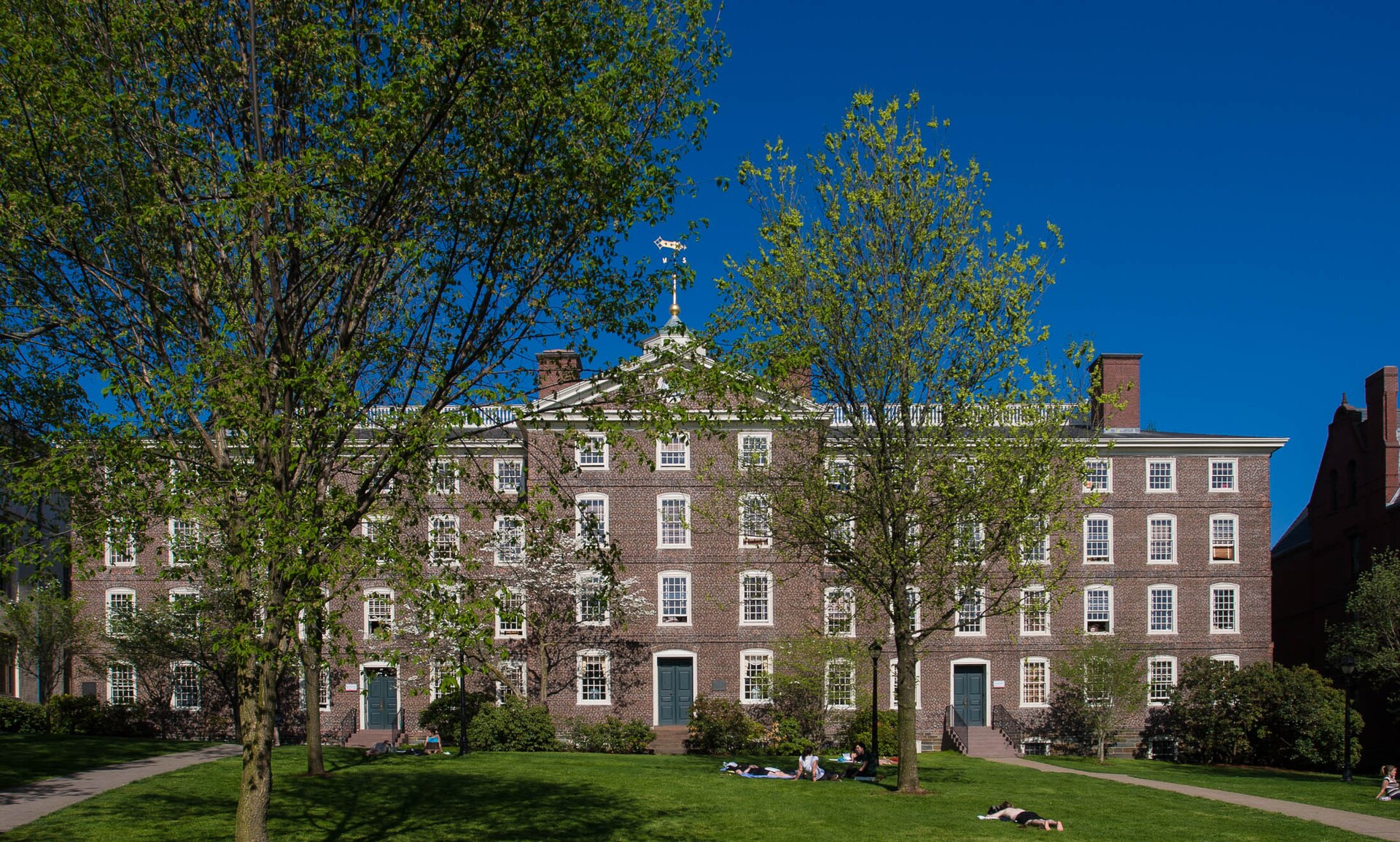
Image credit: Kenneth C. Zirkel, CC BY-SA 3.0, via Wikimedia Commons
Cultural influence and global reputation
Culturally, Brown brings a global lens to Providence while elevating the city’s presence on the national and international stage. Alumni and affiliates of the university include Nobel laureates, Pulitzer Prize winners, Rhodes Scholars, prominent public officials, and leaders in science, arts, and business, many of whom maintain ties to Providence through philanthropy, research partnerships, and civic initiatives. Their achievements reinforce the perception of Providence as a place where innovation and creativity flourish.
Brown’s museums, lectures, performances, and public programs also serve residents well beyond the campus borders, offering access to art, ideas, and scholarship that might otherwise be reserved for larger metropolitan centers. In recent decades, the university has confronted its own historical ties to the transatlantic slave trade, commissioning a landmark “Slavery and Justice” report and creating the Center for the Study of Slavery and Justice and a campus memorial, actions that have influenced wider conversations about memory and justice in the city.
Brown and Providence: A shared future
The legacy of Brown University in Providence is ultimately a shared story of mutual transformation: a historic college that helped shape a capital city, and a city that continues to define the university’s character and responsibilities. Brown’s role as an economic driver, community partner, and cultural catalyst ensures that its decisions resonate far beyond College Hill, influencing how Providence grows, invests, and imagines its future. As collaborative agreements deepen and new generations of students arrive, the connection between Brown and Providence is poised to remain a central force in the region’s identity for decades to come.
For individuals and families in Rhode Island who are thinking about how education, legacy, and long-term planning fit together, partnering with a trusted local professional can be just as important as choosing the right academic path. If you have questions about protecting your family’s future, planning for business succession, or aligning your assets with your values, an experienced estate planning attorney such as Jill M. Santiago can help you take the next step with clarity and confidence.