
 (401) 307-5556
Living along Narragansett Bay in Rhode Island means waking up each day in one of New England’s most scenic estuaries, where coastal villages, working waterfronts, and protected natural areas create a lifestyle shaped by the water. From quiet coves in Wickford and Saunderstown to vibrant harbors in Bristol, Newport, and Jamestown, the bay defines how residents work, play, and connect with their communities.
The Character of Narragansett Bay
Narragansett Bay is New England’s largest estuary, a semi‑enclosed body of water where fresh water from rivers like the Providence, Taunton, and Sakonnet mixes with salt water from the Atlantic. This blend creates diverse habitats, from shallow muddy flats and salt marshes in the upper bay to deep rocky channels and open water nearer Rhode Island Sound.
The shoreline is dotted with historic ports, lighthouses, and marinas, and many neighborhoods sit on bluffs or peninsulas that offer expansive water views and direct access to the bay. Living here, you quickly feel how the tides set the rhythm of daily life.
Many residents plan errands, dog walks, or morning runs around sunrise over the water or evening light reflecting off the bay. Even away from the shoreline, the smell of salt air, the calls of seabirds, and the sound of foghorns or distant boat engines are part of the backdrop of everyday life.
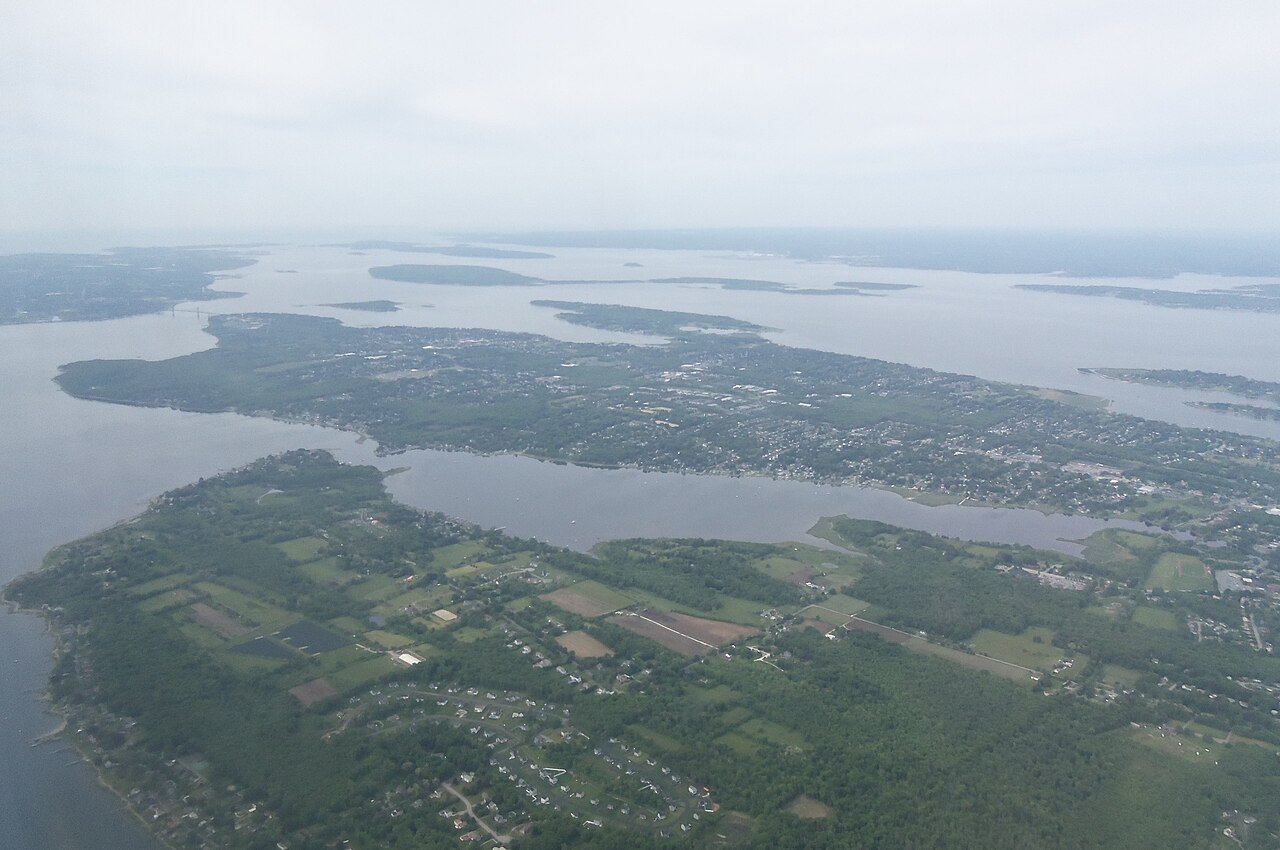
Image credit: Jstuby, CC0, via Wikimedia Commons
Coastal Communities and Neighborhoods
The communities ringing Narragansett Bay each offer a distinct flavor of coastal living. On the western shore, villages like Wickford and Saunderstown feature tree‑lined streets, historic homes, and small harbors where sailboats and lobster boats lie at moorings just off the town docks.
East Passage neighborhoods in towns such as Portsmouth include quiet cul‑de‑sacs and larger lots with homes oriented toward the water, giving residents panoramic views and a strong sense of privacy while still being close to the bay’s boating corridors. Farther south, Narragansett and Jamestown sit closer to the open ocean, combining bay access with surf beaches and dramatic rocky coastlines.
These towns blend year‑round neighborhoods with seasonal cottages, and you’ll find everything from busy village centers to tucked‑away waterfront lanes. Across the bay, Aquidneck Island’s communities, including Newport and Middletown, add a more urban or resort‑style feel, with walkable waterfront districts, active marinas, and a dense concentration of restaurants, shops, and cultural sites.
Together, these places create a patchwork of options, from secluded bayside retreats to bustling harbor towns.
Recreation on and Around the Water
Recreation is a central part of life on Narragansett Bay. Boating is a major draw: powerboats and sailboats share the channels, and marinas and yacht clubs support everyone from casual weekend boaters to serious racers. Residents can cruise to sheltered spots like Potter’s Cove for a quiet afternoon on the hook, or head toward Newport Harbor and Bristol for waterfront dining, events, and people‑watching from the water.
Paddlers enjoy exploring the bay’s calmer coves and estuarine backwaters by kayak or stand‑up paddleboard, slipping into areas that larger vessels can’t reach. Anglers take advantage of the bay’s seasonal runs of striped bass, bluefish, and other species, with options to fish from kayaks, small boats, or shore access points.
Swimming beaches and small pocket parks along the shoreline offer places to cool off in summer, while walking paths and waterfront parks provide year‑round opportunities to enjoy the scenery without getting on the water at all.
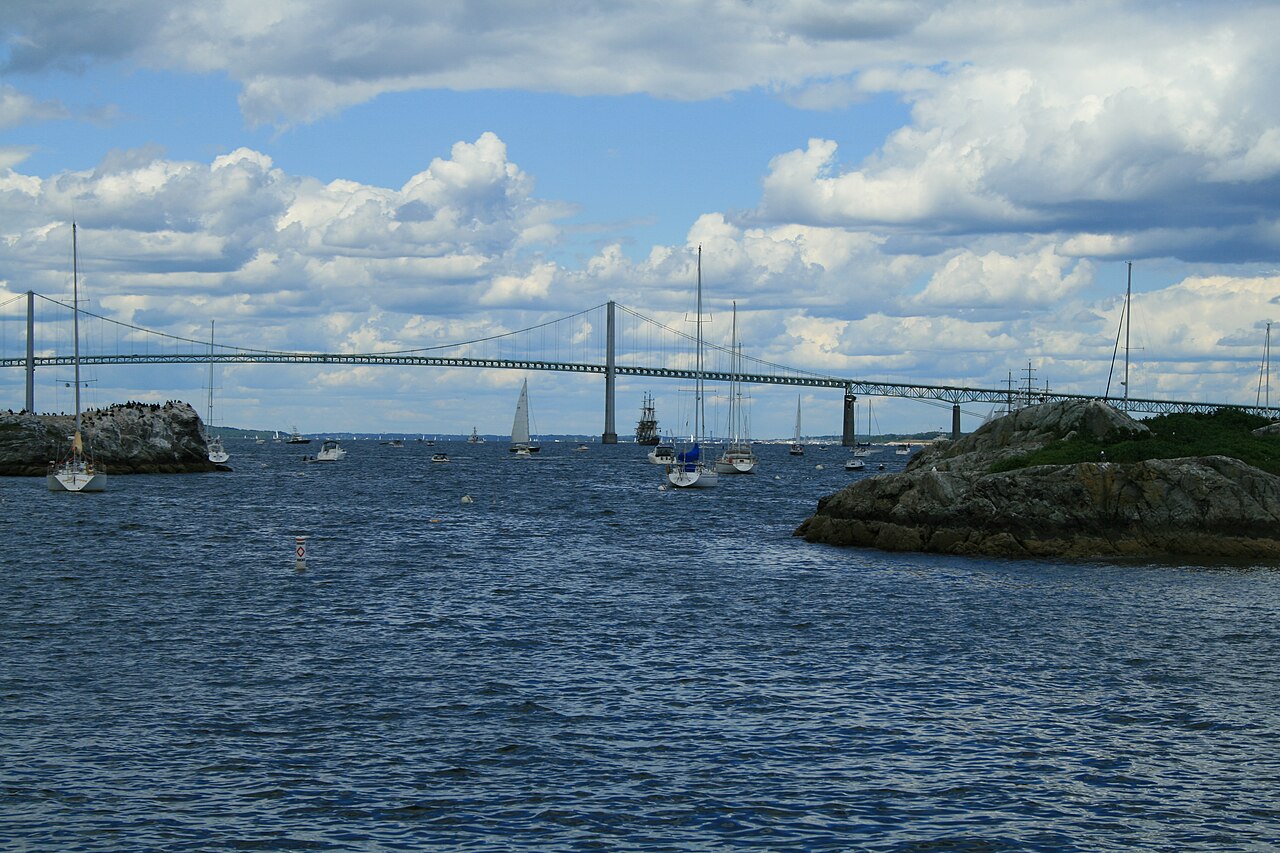
Image credit: Charlie Walker, CC BY 2.0, via Wikimedia Commons
Nature, Wildlife, and Environmental Change
Despite its busy harbors, Narragansett Bay remains a vital habitat for wildlife. Protected areas such as the Narragansett Bay National Estuarine Research Reserve encompass salt marshes, coastal forests, eelgrass beds, and rocky intertidal zones that support birds, fish, shellfish, and marine mammals.
Residents commonly see ospreys, shorebirds, and migrating waterfowl, and in some seasons may spot harbor seals hauled out on rocks or sandbars. These natural spaces give locals easy access to hiking, birdwatching, and environmental education programs that deepen their connection to the bay.
At the same time, living along the bay means seeing environmental change up close. Scientific monitoring has documented warming water temperatures and rising sea levels over the past decades, which are reshaping fish communities and contributing to the loss of some salt marsh and seagrass areas.
Nutrient reductions and restoration projects have helped improve water quality in many parts of the bay, but coastal residents remain attentive to flooding risks, storm surge, and shoreline erosion. Local organizations, schools, and town governments often partner on resilience planning, marsh restoration, and low‑impact development practices, making environmental stewardship a practical part of coastal life.
Everyday Quality of Life
Beyond the scenery, Narragansett Bay shapes daily quality of life in subtle and tangible ways. Many towns offer walkable waterfront centers with cafes, seafood markets, and marinas, where neighbors regularly bump into each other on docks or along the harborfront.
Seasonal festivals, farmers markets, and maritime events celebrate the region’s fishing and sailing heritage and create a strong sense of community identity tied to the water. Because the bay sits near Rhode Island’s main transportation routes, residents can often enjoy a quiet coastal home life while commuting to work or school in Providence, Warwick, or beyond.
The mix of year‑round locals, university communities, maritime workers, and second‑home owners creates varied social networks and services. For many people, the biggest attraction is simply the ability to orient daily routines around the water — watching changing weather roll across the bay, tracking seasonal wildlife, and marking time by the progression from spring fog to summer sea breeze to the crisp clarity of winter days over the estuary.