
 (401) 307-5556
The Newport Mansions are among the most iconic, culturally significant landmarks in Rhode Island. Built during America’s Gilded Age, these expansive estates once served as summer homes for some of the nation’s wealthiest families—including the Vanderbilts and Berwinds. Today, they offer a rare look into architectural history, generational wealth, and the preservation of family legacies—topics that continue to resonate deeply with Rhode Island residents planning for their own futures.
Whether you are exploring these storied homes for the first time or seeking a deeper appreciation for Newport’s historic identity, the mansions reveal an intricate narrative of craftsmanship, luxury, and community heritage.
The Gilded Age Legacy of Newport
During the late 19th and early 20th centuries, Newport emerged as a premier destination for America’s elite. Wealthy industrial families built elaborate summer “cottages”—a modest term for homes that often spanned more than 100 rooms. These estates were designed not only for comfort but also to symbolize status, permanence, and prosperity.
The mansions reflect a blend of European architectural influence and American innovation. Many estates incorporated marble imported from Italy, tapestries from France, and decorative styles inspired by Renaissance and Baroque design. They also featured technological advancements considered groundbreaking at the time, including early electrical systems, heating innovations, and sophisticated servant-staff infrastructure.
For Rhode Islanders today, these properties represent more than ornate architecture—they embody the region’s commitment to preserving history and protecting multi-generational assets.
The Breakers: A Testament to Vanderbilt Wealt
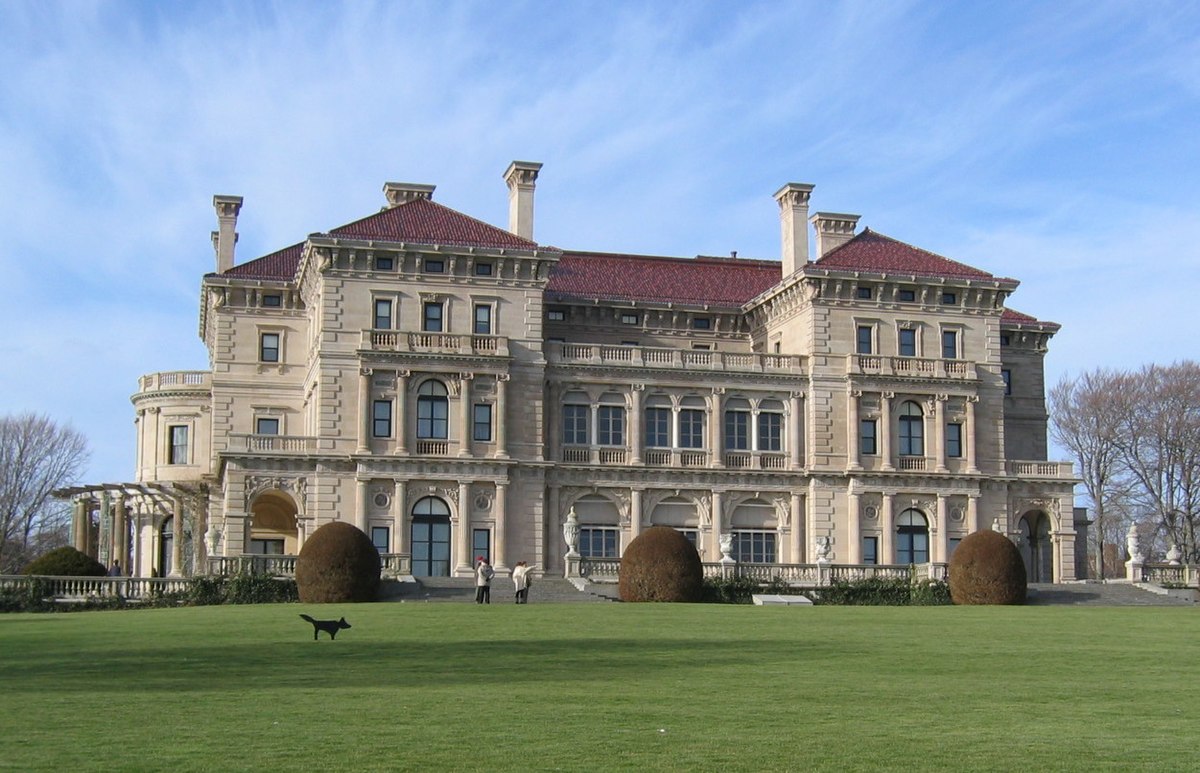
Perhaps the most famous of Newport’s mansions, The Breakers was commissioned by Cornelius Vanderbilt II and completed in 1895. Designed by Richard Morris Hunt, the estate features:
-
Seventy rooms overlooking the Atlantic coastline
-
Lavish interior materials such as gilded ceilings and imported marble
-
A meticulously landscaped 13-acre property
Today, The Breakers is a National Historic Landmark and one of the most visited attractions in Rhode Island. It stands as a powerful example of how prominent families safeguarded assets for future generations—an enduring reminder of the importance of long-term planning.
For modern families, especially those holding real estate or family businesses, the Vanderbilt legacy underscores how thoughtful planning can preserve wealth and property well into the future. If you have inherited property or are preparing for succession, our estate planning guidance can help you protect what matters most.
Marble House: Architectural Grandeur with Political Influence
Constructed as a gift from William K. Vanderbilt to his wife Alva, Marble House is one of the most architecturally significant mansions in Newport. Completed in 1892, it contains more than 500,000 cubic feet of marble—a remarkable achievement even by today’s standards.
Alva Vanderbilt hosted political gatherings on the estate’s grounds, contributing to the women’s suffrage movement. The property remains an important symbol of the era’s cultural evolution and the role prominent families played in shaping American society.
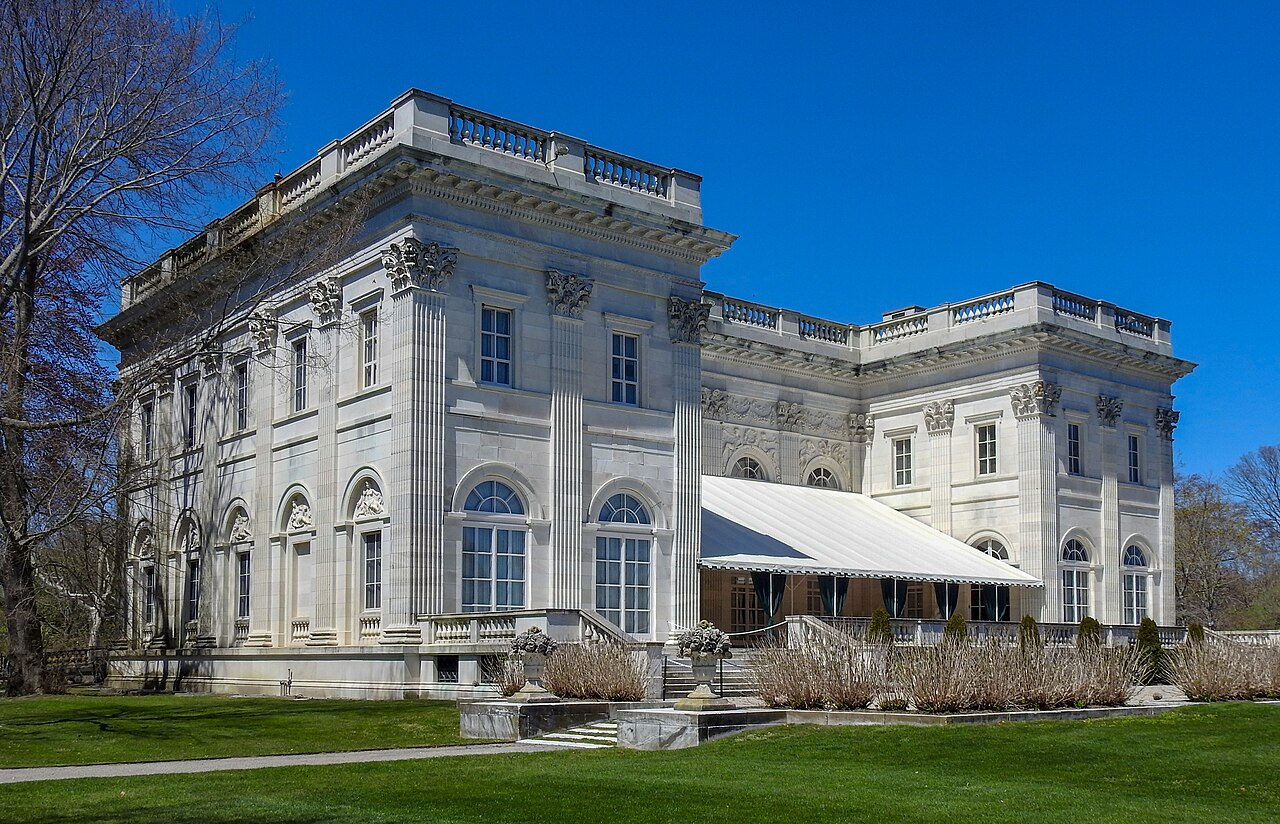
For Rhode Island homeowners, Marble House illustrates the longevity of well-maintained property and the importance of documenting ownership, succession, and preservation. These themes often arise in wills, trusts, and estate planning, particularly for families who own historic homes or multigenerational real estate.
Rosecliff: A Celebration of Art, Design, and Entertainment
Rosecliff was built for silver heiress Theresa Fair Oelrichs and is known for its symmetrical design and expansive ballroom. Modeled after the Grand Trianon at Versailles, the mansion was designed to host large-scale social events and gatherings.
Over the years, Rosecliff has gained recognition beyond architectural circles. It has served as a filming location for several major motion pictures, contributing to its place in popular culture. Today, the estate remains a prominent venue for exhibitions, educational programs, and historical tours.
Rosecliff reflects how Newport’s mansions functioned as centers of cultural exchange, blending art, design, and social life in ways that shaped the city’s reputation.
Preserving Rhode Island’s Historic Estates
The Newport Mansions are stewarded by the Preservation Society of Newport County, an organization dedicated to maintaining these architectural treasures and sharing them with the public. Their work includes structural restoration, archival research, and educational outreach. To learn more about their ongoing preservation efforts, explore the official website.
In addition to mansion tours, the surrounding landscapes—such as the Cliff Walk—offer access to coastal views that frame these estates within Newport’s natural environment. Together, the mansions and their surroundings provide a comprehensive view of Rhode Island’s architectural and social history.
Through ongoing preservation, these landmarks continue to serve as educational resources and cultural touchstones, ensuring that future generations can understand and appreciate Newport’s historical significance.