
Procrastination vs. Preparation: The Financial and Emotional Costs of Putting Off Estate Planning

People put off estate planning for many different reasons. Some may not want to think about the inevitable future of getting older and passing away. But for most people, it is just plain old procrastination. When it comes to estate planning, the consequences of procrastination can be severe, potentially leading to unintended outcomes, legal disputes, and significant financial losses for your loved ones. Why put off until tomorrow what you can accomplish today? Let’s explore the reasons to take action sooner rather than later when it comes to creating your estate plan.


Unintended Beneficiaries Through Intestate Succession

Intestate succession is what will happen if no plan is created. Simply put, you will rely on the laws of the state to pass on your assets to your heirs. One of the most significant risks of intestate succession is the possibility of unintended beneficiaries receiving your assets.

For example, I met with a person a few years ago who was going through a divorce. This was a second marriage, and this person had children from the first marriage. We discussed the need to update their estate plan now–don’t wait because it may be years before the divorce is finalized. Unfortunately, this person procrastinated, and passed away while the divorce was still pending. Still legally married, the spouse was entitled to a large portion of the estate, leaving the children confused and angry. This could have been easily avoided!


Family Disputes and Legal Battles

Without a clear estate plan, family members may disagree on the division of property, leading to expensive, lengthy, and emotionally exhausting court proceedings. These disputes can not only deplete the estate’s value but also irreparably damage relationships among your loved ones. I handled a probate estate for a man who was unmarried and had close to $1 million in assets when he died. But he had no will or trust. After two years of estate administration, his sister and brother were expecting a hefty inheritance, only to be blindsided by a son, who nobody knew existed! DNA proved the man to be the natural child of the decedent, and he walked away with the entire estate. There was nothing the rest of the family could do about it.


Probate Delays and Expenses

Lack of proper estate planning can result in a need for probate, which is typically time-consuming and expensive. The probate process can take months or even years to complete, during which your loved ones may face financial difficulties due to delayed distribution of assets they may need, and the probate process opens up your estate to legal challenges. Will contests in probate court are common, but at least when a will exists, the decedent’s intent is clear. When there is no will, and particularly, when oral promises are made to loved ones, the heirs may engage in contentious and expensive litigation in an effort to “get what they [think they] deserve.”


Loss of Control Over Financial and Healthcare Decisions

Estate planning documents not only address what happens to your assets when you die, but also what happens to you and your property if you become incapacitated. Without a durable power of attorney and a healthcare power of attorney, your family members may be forced to petition a probate court for guardianship or conservatorship over you. They may be forced to make gut-wrenching decisions about your medical care without knowing your wishes. This can lead to conflict among family members and potentially result in you receiving care that goes against your personal beliefs or desires.


Cost of Estate Planning vs the Co$t of Procrastination

One of the other reasons people put off estate planning is the cost. But the cost of procrastinating far outweighs the initial expense of working with an experienced attorney to establish an estate plan.

Probate is both time-consuming and expensive. On average, probate costs range from 3% to 10% of the estate’s total value, depending on its complexity and whether disputes arise. For example, for a $500,000 estate, this could mean costs of $15,000 to $50,000 or more, including court filing fees, attorney fees, executor fees, and other administrative expenses. Additionally, probate takes a minimum of six months, but often several years to complete, causing delays in asset distribution and potentially creating financial strain for beneficiaries.

However, by creating a comprehensive estate plan—such as setting up a living trust—can help avoid probate altogether. While the upfront cost of an estate plan typically ranges from $4,000 to $7,000 for a trust or $1,000 to $2,500 for a will plan, these expenses are significantly lower than the cumulative costs of probate. Moreover, bypassing probate spares your loved ones the hassle of navigating court proceedings during an already emotional time. Moreover, legal fees typically increase by 3-5% each year, so procrastination will always cost you more!


Don’t Procrastinate, Speak With An Experienced Estate Planning Attorney in Rhode Island Now

The consequences of procrastinating on your estate plan can be far-reaching and potentially devastating for your loved ones. By taking action now to create a comprehensive estate plan, you can ensure that your wishes are honored, your family is protected, and your assets are distributed according to your preferences. Don’t wait for a medical diagnosis or life-changing event to motivate you – the time to plan is now.

Remember, estate planning is not just for the wealthy or elderly. It’s a crucial step for anyone who wants to protect their legacy and provide for their loved ones.

Rhode Island Bar Association and Estate Law Standards

estate law standard

Rhode Island Bar Association standards play a central role in shaping how attorneys approach estate law, ethics, and client protection across the state. Its rules, education requirements, and professional culture help ensure that estate planning attorneys maintain high standards when advising individuals and families on their legacies.

Rhode Island Bar Association Overview

The Rhode Island Bar Association (RIBA) is a unified, mandatory bar, meaning all attorneys licensed to practice in the state become members once they pass the Rhode Island bar exam and meet admission requirements. This process includes the Multistate Bar Examination, the Multistate Essay Examination, a Rhode Island–specific essay component, the Multistate Performance Test, and the Multistate Professional Responsibility Examination (MPRE), along with a character and fitness review. As a result, estate planning attorneys enter practice under a framework that emphasizes both substantive legal knowledge and professional responsibility from the very start of their careers.

RIBA’s membership includes thousands of lawyers in categories such as regular, associate, inactive, and in‑house counsel. Within this broad membership, a significant number of practitioners focus their work on estate planning, probate, trusts, and elder law, relying on bar resources to stay current on changing standards in these areas. Through sections, committees, and publications, the association fosters discussion on topics like probate reform, trust administration, and the impact of federal tax law on local estate practice.

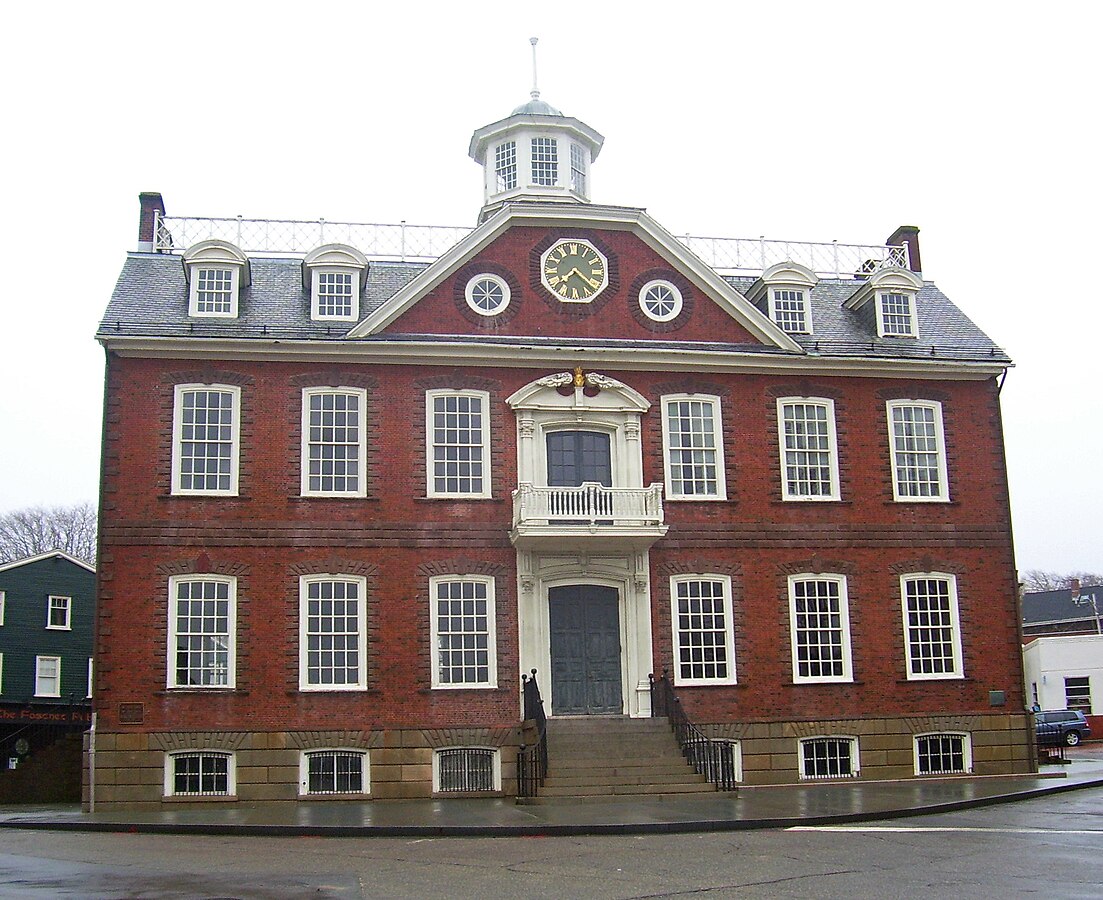
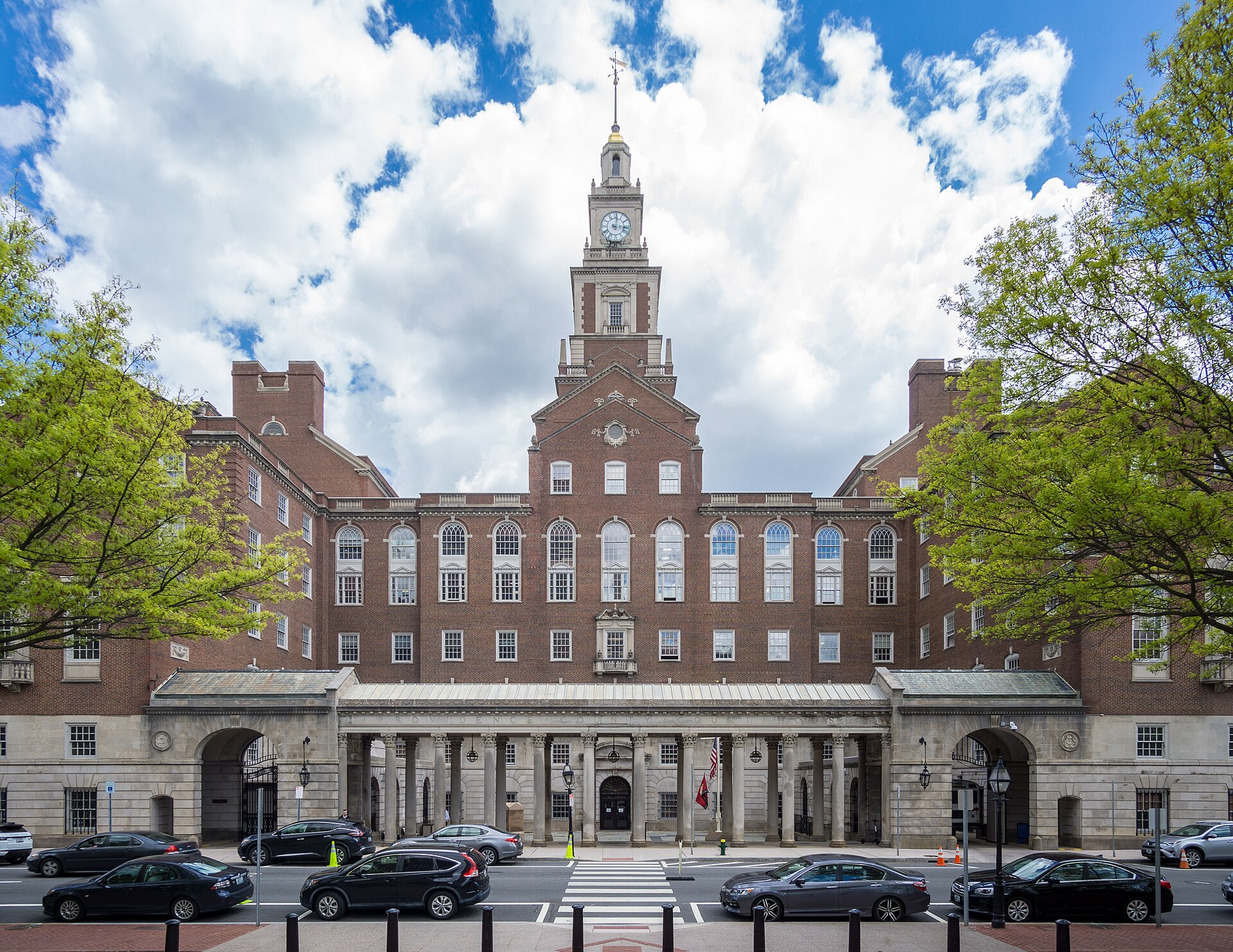
Providence county Courthouse, Rhode Island

Image credit: Kenneth C. Zirkel, CC BY-SA 4.0, via Wikimedia Commons

Professional Standards and Ethics in Estate Practice

Ethical obligations for Rhode Island attorneys derive from statewide rules of professional conduct and are continuously reinforced through bar programming, publications, and mandatory ethics education. Estate planning attorneys routinely navigate conflicts of interest, questions of client capacity, undue influence concerns, and confidentiality issues, often against a backdrop of complex family dynamics. The bar’s emphasis on ethics helps practitioners handle situations such as representing multiple family members in one plan, responding to suspected financial exploitation of an elder, and confirming that vulnerable clients fully understand the consequences of signing wills or trust instruments.

Requiring all new attorneys to pass the MPRE before admission highlights how central ethics is to Rhode Island’s licensing system. For estate lawyers, this translates into clear expectations around documenting client intent, carefully managing joint representation, and using straightforward language to explain sophisticated planning tools like revocable living trusts, special needs trusts, and tax‑sensitive gifting strategies. A strong ethical foundation also supports transparent discussions about fees, realistic outcomes, and the limits of what estate planning can accomplish in disputes between family members.

Rhode Island attorneys must complete 10 credit hours of continuing legal education (CLE) each year, including at least 2 ethics credits and a minimum number of credits from live programs. Estate planning attorneys frequently satisfy these requirements through courses and practice guides focused on wills, trusts, probate administration, elder law, and related tax and retirement issues. This structure is important because estate law is not static; it regularly intersects with federal tax changes, revised retirement rules, and emerging issues such as digital assets and evolving family structures.

Recent Rhode Island–focused estate planning materials, such as a practical guide to estate planning in Rhode Island, address topics including trustee removal standards, the effect of federal legislation like the SECURE Act 2.0 on retirement accounts, the treatment of life insurance in estate planning, and planning considerations for online accounts and cryptocurrencies. By engaging with updated CLE texts and live programs, estate attorneys refine their ability to draft clearer documents, anticipate potential disputes, and structure plans that align with both state law and a client’s long‑term financial and personal goals. Ongoing education also encourages practitioners to revisit their standard forms and office procedures so they better reflect current statutes, regulations, and best practices in Rhode Island probate courts.

estate law standard

Image credit: Giammarco Boscaro on Unsplash

Rhode Island Uniform Probate Code and Local Procedure

Rhode Island has adopted its own version of the Rhode Island Uniform Probate Code, which supplies the backbone of the state’s probate and estate administration system. Under this framework, when a person dies with a valid will, the probate court oversees proving the will, appointing a personal representative, and ensuring proper distribution of assets, while intestate estates are distributed according to statutory priority rules that favor surviving spouses, children, and other close relatives. Estate planning attorneys use these default rules as a starting point when designing wills and trusts aimed at reducing ambiguity, avoiding unnecessary delays, and minimizing the risk of conflict among heirs.

The Rhode Island UPC also incorporates protections such as an elective share for surviving spouses, allowing a spouse to claim a portion of the estate if they are disinherited or inadequately provided for under a will or certain non‑probate transfers. Because of this, estate planning lawyers must account for spousal rights when crafting plans and often employ strategies such as marital trusts, coordinated beneficiary designations, and careful asset titling to balance statutory protections with a client’s specific objectives. Local probate court rules—such as those adopted by the Providence Probate Court in its administrative rules—add detailed procedures for filings, notice requirements, hearings, and specialized issues like guardianships or adult adoption, which practitioners must understand to guide clients smoothly through administration.

Estate Law Standards, Clients, and JMS Law LTD in Warwick, Rhode Island

For individuals and families, Rhode Island’s estate law standards ultimately translate into practical expectations: clearly drafted documents, candid communication, and guidance that reflects both the Rhode Island Uniform Probate Code and current professional norms.

Exploring resources from an estate planning attorney at JMS Law LTD in Warwick, Rhode Island, offers the chance to build or update an estate plan that respects these standards while addressing everyday concerns—such as providing for loved ones, coordinating retirement and life insurance beneficiary designations, planning for incapacity, and easing the future administrative load on executors and trustees—so that the legal structure quietly supports the client’s intentions and expert guidance can focus on helping clients make thoughtful, long‑term decisions rather than confronting preventable problems later.

If you have questions about your options or next steps, reach out today to discuss your estate planning needs.

Rhode Island Probate Court System Overview

Rhode Island probate court building serving municipal jurisdictions

Understanding the Rhode Island Probate Court system is essential for individuals and families navigating wills, estates, trusts, and guardianship matters. Whether an estate is straightforward or complex, probate courts play a central role in ensuring assets are distributed according to state law and a decedent’s wishes.

For residents of Warwick, Rhode Island, probate matters are handled at the municipal level, making local knowledge and procedural awareness especially important. This overview explains how the Rhode Island Probate Court system functions, which entities are involved, and what families should expect during the probate process.

What Is Probate and Why It Matters

Probate is the legal process through which a deceased person’s estate is administered. This process typically includes:

  • Validating the decedent’s will

  • Appointing an executor or administrator

  • Identifying and valuing estate assets

  • Paying debts, taxes, and expenses

  • Distributing remaining assets to heirs or beneficiaries

According to Rhode Island General Laws §33-1-1, probate courts have exclusive jurisdiction over wills, intestacy matters, guardianships, and trust administration. This legal oversight protects heirs, beneficiaries, and creditors while ensuring compliance with state law.

Structure of the Rhode Island Probate Court System

Unlike many states with centralized probate courts, Rhode Island operates a municipal-based probate court system. Each city and town—including Warwick Probate Court—maintains its own probate court. These courts are overseen by an elected probate judge and are responsible for administering probate matters within their municipality.

They work closely with local records such as:

  • Property ownership documents

  • Vital records

  • Guardianship filings

Information about jurisdiction and court authority is published by the Rhode Island Judiciary (.gov).


Warwick, Rhode Island municipal district or city center

Image credit: Daniel Case, CC BY-SA 3.0, via Wikimedia Commons

Common Cases Handled by Probate Courts

Rhode Island probate courts manage a broad range of legal matters beyond estate settlement.

Estate Administration

  • Estates with a valid will (testate)

  • Estates without a will (intestate)

Trust Oversight

  • Testamentary trusts

  • Trust disputes requiring court supervision

Guardianship and Conservatorship

  • Minors

  • Adults deemed legally incapacitated

Other Probate Matters

  • Legal name changes

  • Adoptions

The Rhode Island Department of Health (.gov) explains how probate proceedings interact with vital records and legal identity documentation.

Probate Timeline and Filing Requirements

Although probate timelines vary, most Rhode Island estates follow a structured process:

  1. Filing a petition with the local probate court

  2. Appointment of an executor or administrator

  3. Notice to heirs and creditors

  4. Asset inventory and valuation

  5. Debt payment and tax filings

  6. Final accounting and asset distribution

Research published by Cornell Law School’s Legal Information Institute (.edu) indicates that delays often result from incomplete filings or disputes—highlighting the importance of preparation and accuracy.

Small Estates and Simplified Probate in Rhode Island

Rhode Island law allows certain qualifying estates to proceed through simplified probate. These procedures may reduce court involvement when estates fall below specific asset thresholds.

Eligibility depends on:

  • Total asset value

  • Types of assets involved

  • Whether a valid will exists

Understanding these distinctions can help families avoid unnecessary delays and administrative costs.

Probate Considerations for Warwick Residents

Probate cases for Warwick residents are processed through the Warwick Probate Court, which applies Rhode Island probate statutes while following municipal procedures.

Local factors often include:

  • Real estate located within Warwick

  • Family-owned or inherited homes

  • Guardianship matters involving local institutions

Residents researching probate often explore broader estate planning services available in Warwick to understand how planning tools may reduce court involvement.

Rhode Island probate court building serving municipal jurisdictions

Image credit: John Phelan, CC BY-SA 4.0, via Wikimedia Commons

Avoiding Probate Through Estate Planning Tools

Strategic estate planning may reduce or eliminate the need for probate court involvement. Common tools include:

  • Revocable living trusts

  • Beneficiary designations

  • Joint property ownership

These strategies can simplify asset transfer and reduce disputes, particularly for families with real estate or blended households.

Authoritative Resources on Rhode Island Probate

For official guidance and legal reference, consult:

  • Rhode Island Judiciary (.gov) – Probate court jurisdiction

  • Rhode Island General Laws §33 – Probate code

  • Cornell Law School Legal Information Institute (.edu)

  • American Bar Association Estate Planning Resources (.org)

These sources support accurate interpretation of probate law and court procedures.

Local Guidance for Probate Matters in Warwick, RI

Navigating probate requires both legal knowledge and familiarity with local procedures. For Warwick residents, understanding how the Rhode Island Probate Court system operates can help families prepare and avoid unnecessary complications.

To learn more about probate-related legal support in Warwick, explore our local estate planning resources or reach out through our contact page to discuss your situation with a professional familiar with Rhode Island probate law.

Historic Newport Mansions of Rhode Island

The Newport Mansions are among the most iconic, culturally significant landmarks in Rhode Island. Built during America’s Gilded Age, these expansive estates once served as summer homes for some of the nation’s wealthiest families—including the Vanderbilts and Berwinds. Today, they offer a rare look into architectural history, generational wealth, and the preservation of family legacies—topics that continue to resonate deeply with Rhode Island residents planning for their own futures.

Whether you are exploring these storied homes for the first time or seeking a deeper appreciation for Newport’s historic identity, the mansions reveal an intricate narrative of craftsmanship, luxury, and community heritage.

The Gilded Age Legacy of Newport

During the late 19th and early 20th centuries, Newport emerged as a premier destination for America’s elite. Wealthy industrial families built elaborate summer “cottages”—a modest term for homes that often spanned more than 100 rooms. These estates were designed not only for comfort but also to symbolize status, permanence, and prosperity.

The mansions reflect a blend of European architectural influence and American innovation. Many estates incorporated marble imported from Italy, tapestries from France, and decorative styles inspired by Renaissance and Baroque design. They also featured technological advancements considered groundbreaking at the time, including early electrical systems, heating innovations, and sophisticated servant-staff infrastructure.

For Rhode Islanders today, these properties represent more than ornate architecture—they embody the region’s commitment to preserving history and protecting multi-generational assets.

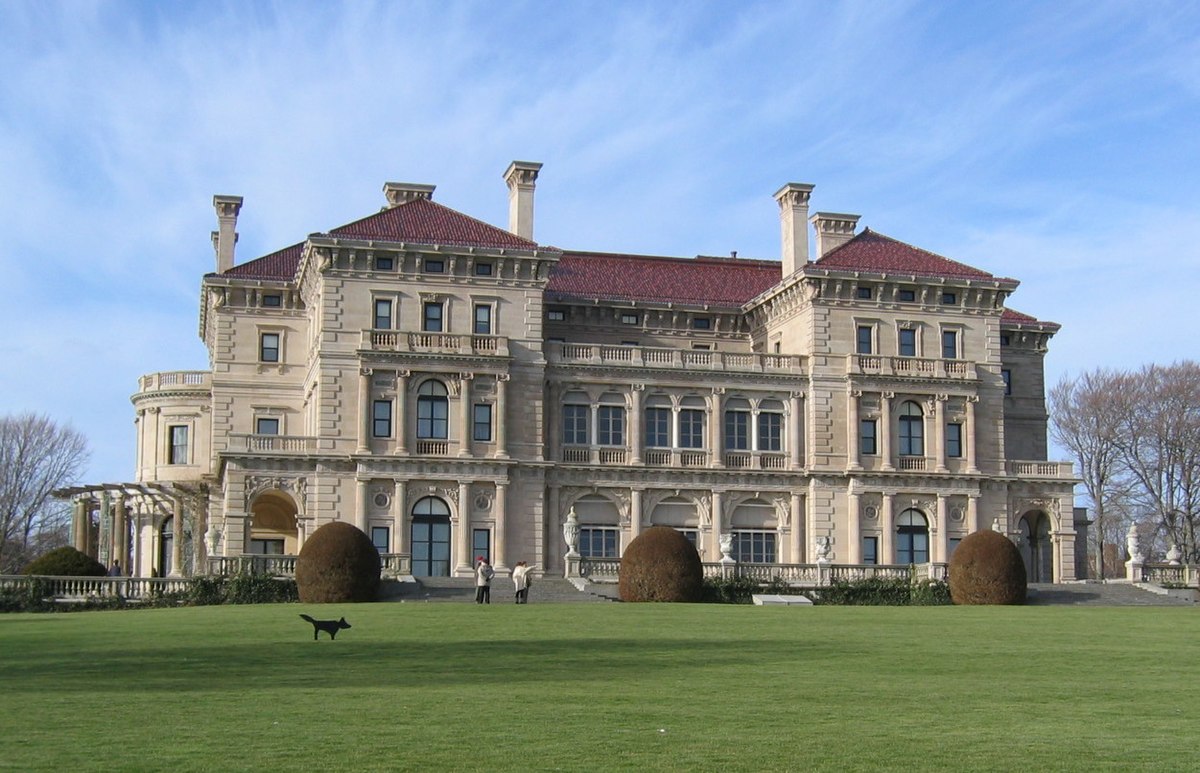
The Breakers: A Testament to Vanderbilt Wealt

Image credit: User:Itub, CC BY-SA 3.0, via Wikimedia Commons

Perhaps the most famous of Newport’s mansions, The Breakers was commissioned by Cornelius Vanderbilt II and completed in 1895. Designed by Richard Morris Hunt, the estate features:

  • Seventy rooms overlooking the Atlantic coastline

  • Lavish interior materials such as gilded ceilings and imported marble

  • A meticulously landscaped 13-acre property

Today, The Breakers is a National Historic Landmark and one of the most visited attractions in Rhode Island. It stands as a powerful example of how prominent families safeguarded assets for future generations—an enduring reminder of the importance of long-term planning.

For modern families, especially those holding real estate or family businesses, the Vanderbilt legacy underscores how thoughtful planning can preserve wealth and property well into the future. If you have inherited property or are preparing for succession, our estate planning guidance can help you protect what matters most.

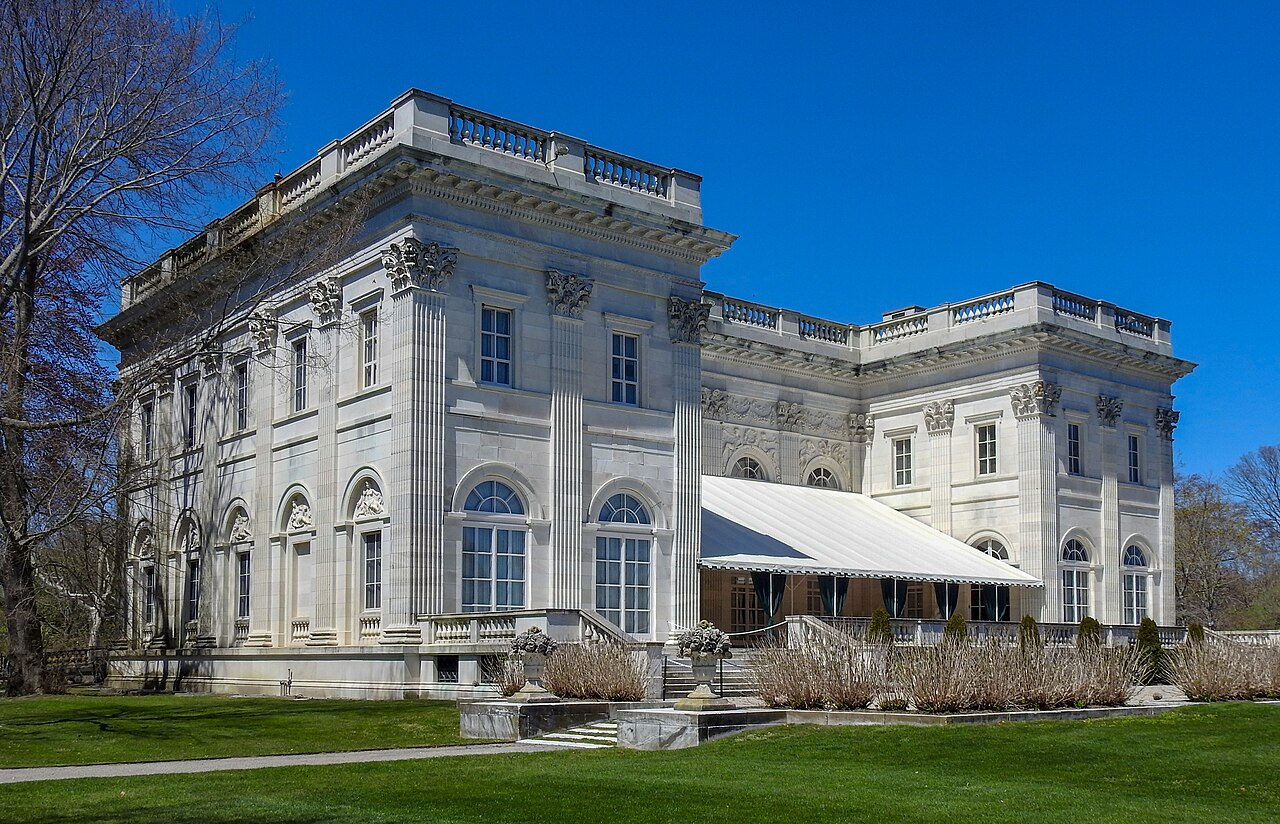
Marble House: Architectural Grandeur with Political Influence

Constructed as a gift from William K. Vanderbilt to his wife Alva, Marble House is one of the most architecturally significant mansions in Newport. Completed in 1892, it contains more than 500,000 cubic feet of marble—a remarkable achievement even by today’s standards.

Alva Vanderbilt hosted political gatherings on the estate’s grounds, contributing to the women’s suffrage movement. The property remains an important symbol of the era’s cultural evolution and the role prominent families played in shaping American society.

Image credit: xiquinhosilva, CC BY 2.0, via Wikimedia Commons

For Rhode Island homeowners, Marble House illustrates the longevity of well-maintained property and the importance of documenting ownership, succession, and preservation. These themes often arise in wills, trusts, and estate planning, particularly for families who own historic homes or multigenerational real estate.

Rosecliff: A Celebration of Art, Design, and Entertainment

Rosecliff was built for silver heiress Theresa Fair Oelrichs and is known for its symmetrical design and expansive ballroom. Modeled after the Grand Trianon at Versailles, the mansion was designed to host large-scale social events and gatherings.

Over the years, Rosecliff has gained recognition beyond architectural circles. It has served as a filming location for several major motion pictures, contributing to its place in popular culture. Today, the estate remains a prominent venue for exhibitions, educational programs, and historical tours.

Rosecliff reflects how Newport’s mansions functioned as centers of cultural exchange, blending art, design, and social life in ways that shaped the city’s reputation.

Preserving Rhode Island’s Historic Estates

The Newport Mansions are stewarded by the Preservation Society of Newport County, an organization dedicated to maintaining these architectural treasures and sharing them with the public. Their work includes structural restoration, archival research, and educational outreach. To learn more about their ongoing preservation efforts, explore the official website.

In addition to mansion tours, the surrounding landscapes—such as the Cliff Walk—offer access to coastal views that frame these estates within Newport’s natural environment. Together, the mansions and their surroundings provide a comprehensive view of Rhode Island’s architectural and social history.

Through ongoing preservation, these landmarks continue to serve as educational resources and cultural touchstones, ensuring that future generations can understand and appreciate Newport’s historical significance.

The Legacy of Brown University in Providence

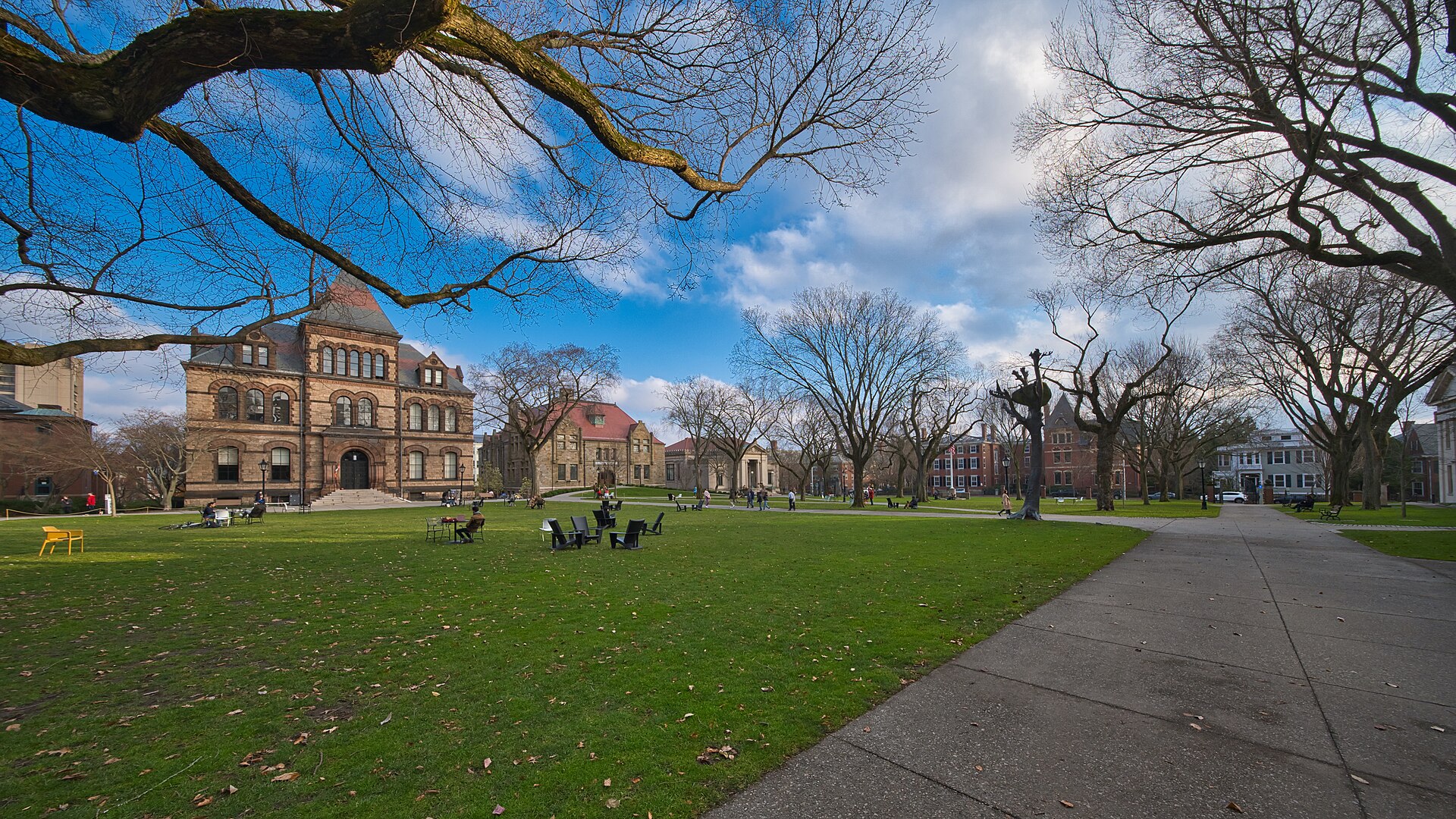
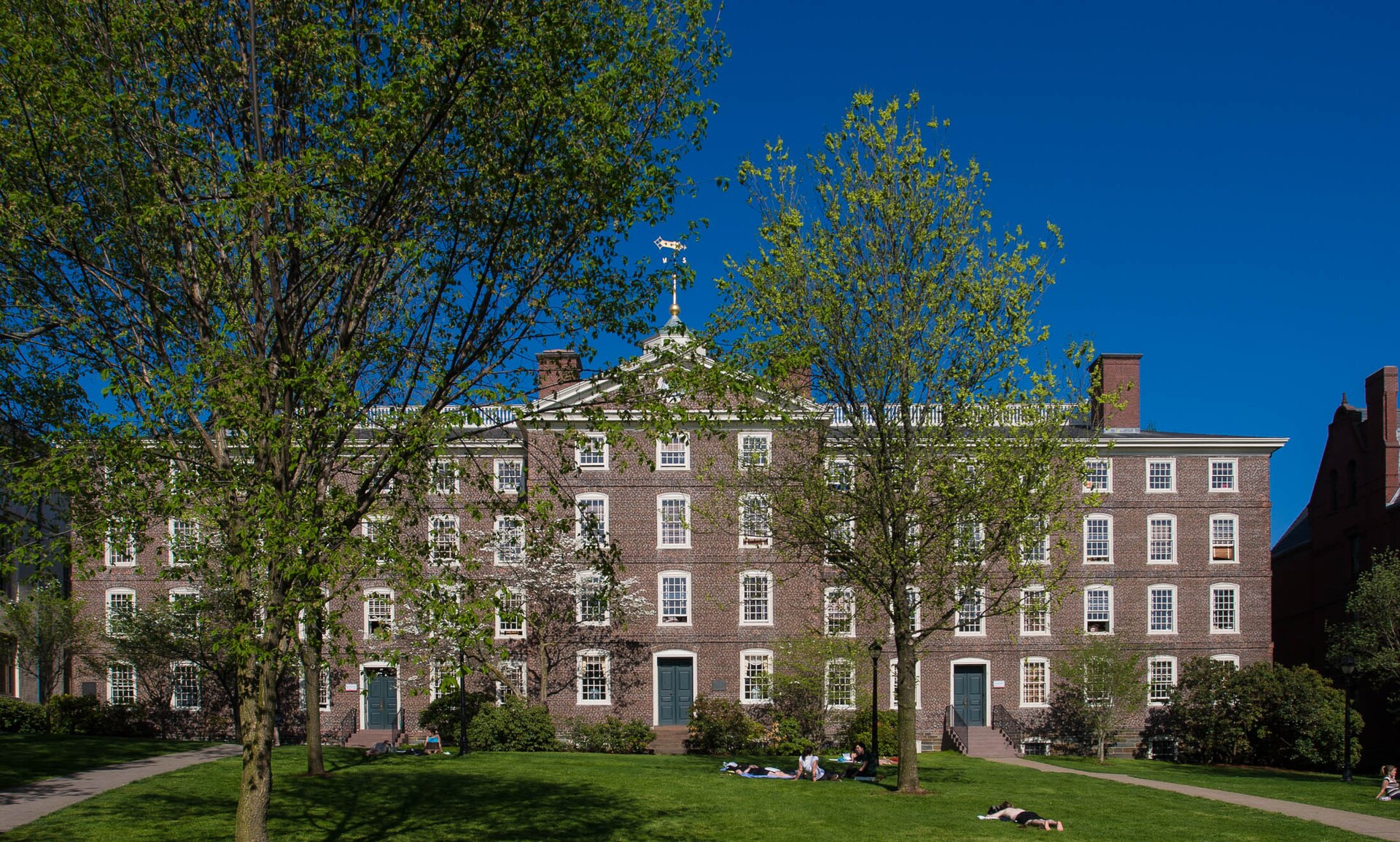
The Main Green at Brown University in Providence, Rhode Island

Brown University has shaped Providence for more than 250 years, leaving a legacy that reaches far beyond its hilltop campus into the city’s economy, culture, and civic life. From its colonial founding to its role as a modern anchor institution, the university and the city have grown up together in ways that define Providence’s identity today.

Early roots on College Hill

Founded in 1764 as the College in the English Colony of Rhode Island and Providence Plantations, Brown University is one of the oldest institutions of higher education in the United States and the seventh-oldest college in the country. Initially located in Warren, Rhode Island, the college moved to Providence in 1770, where John and Moses Brown purchased a four-acre lot on the crest of College Hill to establish a permanent campus that would soon become a defining feature of the city’s skyline.

The university adopted the name Brown University in 1804 in honor of benefactor Nicholas Brown, cementing its identity within the community and linking the institution directly to one of Providence’s most prominent families. From the start, the campus was interwoven with the surrounding eighteenth- and nineteenth-century neighborhoods, creating a dense urban fabric where academic buildings, historic homes, and local businesses coexisted.

A tradition of openness and academic innovation

Brown’s legacy in Providence is also intellectual and social, grounded in a long-standing commitment to openness and academic experimentation. In the eighteenth century, the institution was chartered as a Baptist college, but it became the first Ivy League school to accept students from all religious affiliations, reflecting Rhode Island’s broader tradition of religious tolerance and pluralism.

Over the nineteenth and twentieth centuries, Brown distinguished itself through curricular innovation and an emphasis on student autonomy, developments that enhanced Providence’s reputation as a forward-thinking academic hub. Today, the university’s Open Curriculum and research strengths continue to draw students, faculty, and visitors from around the world, channeling fresh ideas, talent, and investment into the city each year.

Image credit: Chris Rycroft, CC BY-SA 2.0, via Wikimedia Commons

Economic engine and anchor institution

As Providence’s economy has evolved, Brown has become one of the city’s most important employers and economic anchors. The university notes that it injects hundreds of millions of dollars into the local economy annually through payroll, purchasing, construction, and visitor spending. Brown is also the largest institutional landowner in Providence, with significant holdings on College Hill and in the Jewelry District, reinforcing its long-term stake in the city’s physical and economic development.

Beyond its tax-exempt status, Brown’s economic impact includes formal agreements with the city to provide substantial voluntary financial support. Under memoranda of understanding and agreement finalized in 2023, the university committed to $303 million in voluntary payments and community contributions between 2024 and 2043, making it the largest voluntary financial contributor to Providence. These payments, combined with ongoing construction investments and sponsored research spending, help stabilize municipal finances and fuel job growth in sectors from healthcare and technology to construction and services.

Community partnerships and urban impact

Brown’s legacy in Providence is equally visible in its community engagement and neighborhood partnerships. The university emphasizes priorities such as economic growth, educational access, and civic collaboration, positioning itself as a partner in addressing local challenges rather than an institution apart from the city. Brown supports Providence Public Schools, funds scholarship opportunities for local high school graduates, and works with more than 1,000 local companies and vendors each year, helping small businesses and nonprofits thrive.

Campus expansion—especially in the Jewelry District—has transformed former industrial spaces into research, medical, and innovation corridors that attract startups, labs, and creative enterprises. With a commitment to employing union labor on large construction projects, Brown’s building program supports thousands of regional tradespeople while reshaping key urban districts in ways that align with citywide development goals.

Image credit: Kenneth C. Zirkel, CC BY-SA 3.0, via Wikimedia Commons

Cultural influence and global reputation

Culturally, Brown brings a global lens to Providence while elevating the city’s presence on the national and international stage. Alumni and affiliates of the university include Nobel laureates, Pulitzer Prize winners, Rhodes Scholars, prominent public officials, and leaders in science, arts, and business, many of whom maintain ties to Providence through philanthropy, research partnerships, and civic initiatives. Their achievements reinforce the perception of Providence as a place where innovation and creativity flourish.

Brown’s museums, lectures, performances, and public programs also serve residents well beyond the campus borders, offering access to art, ideas, and scholarship that might otherwise be reserved for larger metropolitan centers. In recent decades, the university has confronted its own historical ties to the transatlantic slave trade, commissioning a landmark “Slavery and Justice” report and creating the Center for the Study of Slavery and Justice and a campus memorial, actions that have influenced wider conversations about memory and justice in the city.

Brown and Providence: A shared future

The legacy of Brown University in Providence is ultimately a shared story of mutual transformation: a historic college that helped shape a capital city, and a city that continues to define the university’s character and responsibilities. Brown’s role as an economic driver, community partner, and cultural catalyst ensures that its decisions resonate far beyond College Hill, influencing how Providence grows, invests, and imagines its future. As collaborative agreements deepen and new generations of students arrive, the connection between Brown and Providence is poised to remain a central force in the region’s identity for decades to come.

For individuals and families in Rhode Island who are thinking about how education, legacy, and long-term planning fit together, partnering with a trusted local professional can be just as important as choosing the right academic path. If you have questions about protecting your family’s future, planning for business succession, or aligning your assets with your values, an experienced estate planning attorney such as Jill M. Santiago can help you take the next step with clarity and confidence.

How To Make An Estate Plan For Couples In Second (Or Third) Marriages

Congrats if you’re getting married!

In the U.S., four out of ten marriages involve at least one person who has been married before. Second (or third) marriages come with unique challenges, mainly concerning finances and blended families. Estate planning for couples in second (or third!) marriages requires additional planning to protect your spouse and your family from unintended consequences, such as what happened to my clients Ray and Rachel:

Ray and Rachel both have adult children from prior marriages. When they married, they purchased a home, which was titled to them as “tenants by the entirety.” Both had sunk considerable money into the home, and Rachel’s intention was to use the home’s equity to provide inheritance for her children. Unfortunately, she passed away, and the home became Ray’s sole  property. It was never Ray’s intent to disinherit Rachel’s children, but he never got around to making any changes, and when he passed away a year later, his son inherited everything, and Rachel’s children got nothing.

If they had taken the time to meet with an experienced estate planning attorney, this would have a much happier ending. So, what are the steps you can take to avoid being Ray and Rachel?


Are You Already Married or Contemplating Marriage?

What’s your current marital status?  If you’re already married, you’ll probably need to update your estate plan. If you’re contemplating marriage, now is the time to plan ahead. Legal documents, such as living trusts, property deeds, wills and prenuptial agreements are tools estate planning attorneys use to ensure your wishes and intentions are carried out.

Prenuptial Agreements

If you have not yet walked down the aisle, consider creating a prenuptial agreement (“prenup”). This is a binding contract between you and your future spouse which spells out how your assets will be divided should the marriage end in divorce. This agreement can also be a crucial component of your estate plan.

A prenup can:

  • Protect the assets you’re bringing into the marriage
  • Clarify your intentions regarding the distribution of your assets
  • Avoid potential legal challenges to your estate plan
  • Impact spousal rights in the event of death or divorce

If you are already married, it is not too late to make arrangements. Consider a postnuptial agreement (needs a link), which serves a similar purpose to the prenup. A key aspect to creating a pre or post nuptial agreement is to fully disclose your assets and debts to the other party.

Full Disclosure of Assets

Transparency is key in estate planning for second marriages. Both spouses should fully disclose all assets, including:

  • Real estate
  • Investments
  • Retirement accounts
  • Business interests
  • Debts and liabilities

This disclosure helps ensure fairness and prevents potential conflicts or surprises.

Clearly Define Your Wishes

It’s crucial to clearly articulate your wishes regarding asset distribution. Consider this:

  • How you want to provide for your current spouse
  • How you want to provide for children from previous relationships
  • Any specific bequests or charitable donations you wish to make

Joint Living Trust vs. Separate Living Trusts

One of the most common instruments used in estate planning for married couples are living trusts. These trusts may be “joint,” meaning one trust is created for the couple, or each spouse may create their own separate trust.

Joint Living Trust

A joint trust are most suitable for couples when:

  • Neither spouse has children from previous relationships
  • Only one spouse has children
  • Spouses have similar asset levels and financial goals

Joint trusts are generally simpler to administer and offer a lot of flexibility.

Separate Living Trusts

Separate trusts are often preferred in second marriages, especially when spouses have children from previous relationships or significant separate assets. The Benefits include:

  • Greater asset protection
  • Clearer separation of individual assets
  • More control over asset distribution to children or other beneficiaries

Additional Considerations for 2nd Marriages and Estate Planning

1.Update Beneficiary Designations: Review and update beneficiary designations on life insurance policies, retirement accounts, and other assets

2.Consider a QTIP Trust: A Qualified Terminable Interest Property (QTIP) trust can provide for your spouse while ensuring your assets ultimately pass to your children

3.Plan for Blended Families: If you have stepchildren, decide whether and how you want to provide for them in your estate plan.

4.Review Regularly: Estate plans should be reviewed and updated regularly, especially after significant life events.

5.Seek Professional Advice: Given the complexities of estate planning for second marriages, it’s advisable to work with an experienced estate planning attorney and financial advisor


An Experienced Estate Planning Attorney Can Help

Remember, there’s no one-size-fits-all solution for estate planning in second marriages. The key is to communicate openly with your spouse, clearly define your wishes, and create a plan that fairly addresses the needs of all involved parties. So, whether you are contemplating another marriage, or you have already said “I do” once again, meeting with an experienced estate planning attorney to review your plan will prevent unnecessary heartache and frustration in the future.  Click below to schedule a free call with me.

Roger Williams Park in Providence, RI: A Cultural Landmark

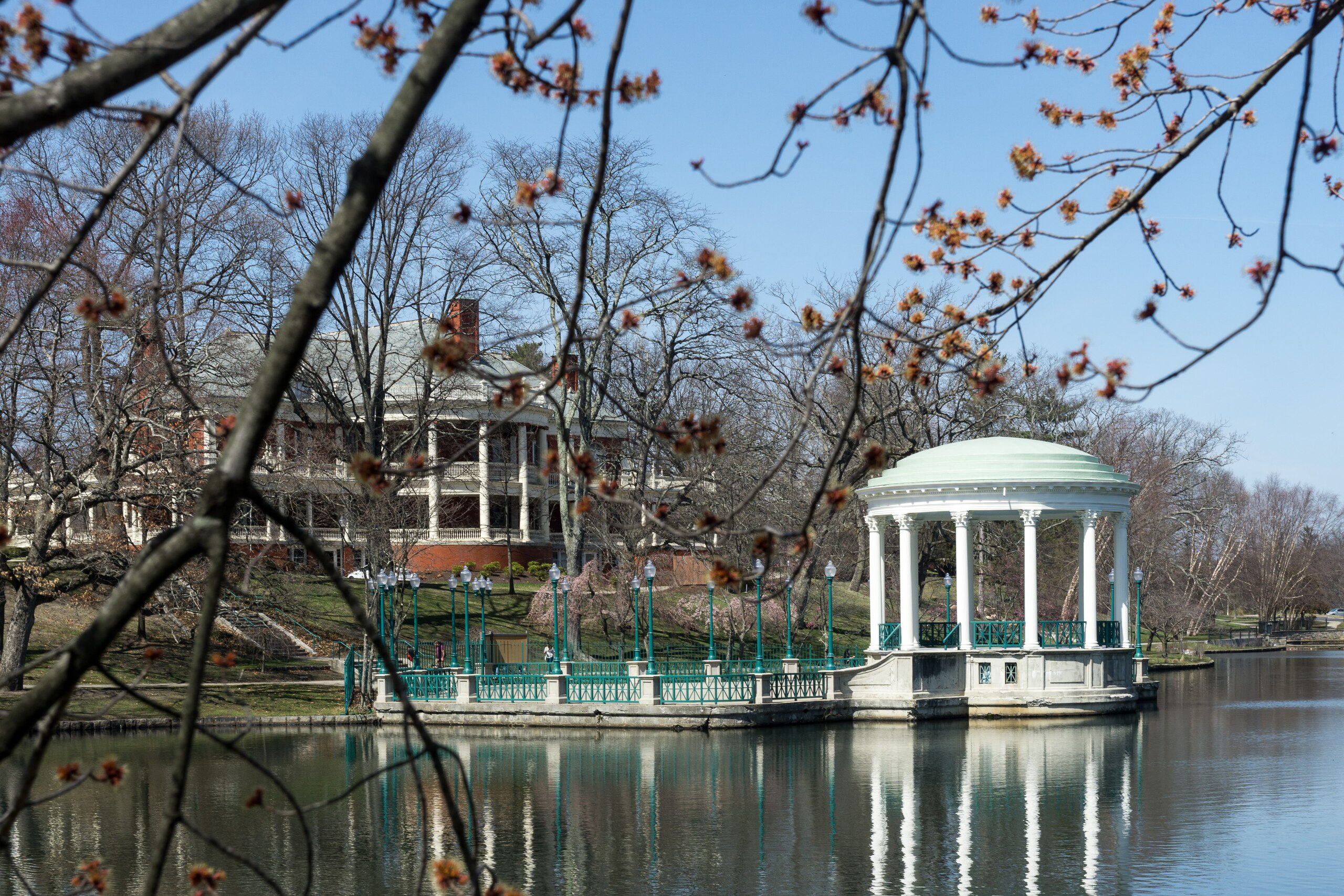
Bandstand and Casino, Roger Williams Park, Providence, Rhode Island

Roger Williams Park in Providence, Rhode Island, stands out as an expansive urban oasis where history, nature, and community life intersect, making it one of New England’s most significant cultural landmarks. Spanning more than 400 acres of water, woodlands, gardens, and cultural institutions, the park functions as both a daily retreat for residents and a destination for visitors from across the region.

Origins and Historical Significance

The story of Roger Williams Park begins in 1871, when Betsey Williams, a descendant of Rhode Island founder Roger Williams, bequeathed her family’s homestead and surrounding land to the City of Providence for use as a public park. This gift included property that traced back to land originally granted to Roger Williams by Narragansett leaders Canonicus and Miantonomo, rooting the park in the early history of religious freedom and Indigenous relations in New England.

During the late 19th century, Providence embraced the national movement for large urban parks and steadily expanded the site. What began as roughly 100 acres of farmland and woodland grew into a landscaped park of more than 400 acres, offering city residents fresh air and recreation as industrialization transformed the surrounding neighborhoods.

Bandstand and Casino, Roger Williams Park, Providence, Rhode Island

Image credit: Kenneth C. Zirkel, CC BY-SA 4.0, via Wikimedia Commons

Landscape Design and Natural Beauty

To shape the new park, Providence hired noted landscape architect Horace W. S. Cleveland in the 1870s. Cleveland’s design emphasized curving roads and paths, clustered tree plantings, and carefully framed views over ponds and lawns, aligning Roger Williams Park with the picturesque ideals seen in other major 19th‑century parks.

Today the park encompasses about 427–435 acres, including more than 100 acres of interconnected ponds that form islands, peninsulas, and varied shorelines. Visitors find rolling lawns, mature specimen trees, rose and Japanese‑style gardens, and wooded walking trails that offer a sense of retreat just minutes from downtown Providence. Seasonal color from flowering trees and annual plantings reinforces the park’s role as a year‑round backdrop for photos, picnics, and quiet reflection.

Cultural Institutions and Attractions

One of the park’s defining qualities is the concentration of cultural institutions within its boundaries. These attractions turn a simple walk in the park into an immersive experience in science, conservation, horticulture, and family fun.

Major features include the Roger Williams Park Zoo, among the oldest zoos in the United States, which houses over 100 species and hosts popular events like the Jack‑O‑Lantern Spectacular and holiday light displays that draw visitors from across the Northeast. The Museum of Natural History and Planetarium adds another layer of discovery with tens of thousands of fossils, minerals, and cultural artifacts, alongside educational astronomy programs for school groups and families.

The Roger Williams Park Botanical Center, one of the largest indoor botanical gardens in New England, showcases tropical and desert plants in expansive greenhouses, complemented by outdoor demonstration gardens. Carousel Village contributes a nostalgic touch with a classic carousel, playgrounds, and seasonal activities, reinforcing the park’s identity as a family‑friendly destination.

Events, Festivals, and Community Life

Roger Williams Park doubles as a major stage for Providence’s cultural calendar, particularly around the Temple to Music and other open lawns. Free and low‑cost events range from fitness walks and birding programs to concerts, movie nights, charity runs, and food festivals, keeping the park lively in every season.

The Temple to Music, a grand open‑air classical pavilion overlooking the water, is a focal point for large community celebrations. Festivals such as Juneteenth RI, the Dominican Festival & Parade, and Festival Guatemala bring thousands of people to the park with live music, dance, traditional foods, and cultural exhibits that highlight the city’s diverse communities. These gatherings turn the park into a shared outdoor living room where cultural heritage is celebrated in a highly visible, inclusive setting.

Roger Williams Park Conservancy

Image credit: ​DLP via Tripadvisor

Recreation, Restoration, and Stewardship

Recreational opportunities in the park extend well beyond walking paths and playgrounds. Visitors can rent swan boats, kayaks, electric boats, or join pirate‑themed and amphibious “duck boat” tours that glide across the interconnected lakes, offering new perspectives on the park’s bridges, islands, and wildlife. Designated walking trails ranging from short loops to longer lake circuits give joggers, bird‑watchers, and families structured ways to explore different corners of the landscape.

Over the past decade, significant investments have focused on preserving and enhancing this historic resource. A major campaign led by the Rhode Island Foundation and the Roger Williams Park Conservancy funded projects such as improved entrances and wayfinding, bridge and Casino repairs, pond restoration to improve water quality, and expanded bike and pedestrian infrastructure. These efforts balance historic preservation with contemporary needs, ensuring the park remains safe, accessible, and ecologically resilient for future generations.

For visitors who fall in love with Providence and Warwick and begin thinking more seriously about their long‑term plans in Rhode Island, partnering with a local professional can make future planning much smoother.

A Living Cultural Landmark

Roger Williams Park is listed on the National Register of Historic Places as a historic district, recognizing its blend of 19th‑century landscape design, architecturally significant structures, and enduring social role. Yet its status as a cultural landmark comes just as much from daily use and evolving traditions as from official designations.

With more than a million visitors each year, the park functions as Providence’s cultural heart: a place where school groups explore science and history, families share picnics and boat rides, artists and performers take the stage, and diverse communities gather to celebrate their heritage. In connecting past and present across its ponds, paths, and pavilions, Roger Williams Park continues to embody Providence’s identity as a city that values open space, cultural expression, and shared public life.

Understanding the Rhode Island Uniform Probate Code

Probate legal documents and judge's gavel representing the estate administration process in Rhode Island probate court.

The Rhode Island Uniform Probate Code (RI UPC) plays a vital role in how estates are administered after someone passes away. Whether you are a grieving family member, an executor of a will, or someone planning your estate, understanding this legal framework is essential.

In this article, we’ll walk you through the key aspects of the RI Uniform Probate Code, how it impacts estate administration in Rhode Island, and why working with an experienced probate attorney—like those at JMS Law Ltd in Warwick—can help you navigate the process with confidence and clarity.

What Is the Uniform Probate Code?

The Uniform Probate Code (UPC) is a model law originally drafted by the Uniform Law Commission to simplify and unify probate procedures across states. Rhode Island has adopted its own version of the UPC, making specific modifications to suit local needs. The RI UPC governs how estates are administered, how wills are interpreted, and how intestate succession (dying without a will) is handled.

Estate planning attorney in Warwick, Rhode Island providing legal advice on probate matters under the Rhode Island Uniform Probate Code.

Image Credit: Getty Images via Unsplash

Key Components of the Rhode Island Uniform Probate Code

Understanding the structure and key components of the RI UPC can help you determine your legal rights and responsibilities:

1. Testate vs. Intestate Succession

  • Testate: When someone dies with a valid will, the probate court ensures that the will is legally executed.

  • Intestate: If there is no will, the estate is distributed according to intestate succession laws. Under the RI UPC, surviving spouses, children, and parents are given priority in inheritance.

2. Role of the Personal Representative

Often referred to as the executor, the personal representative is responsible for:

  • Filing the will with the probate court

  • Notifying heirs and creditors

  • Paying debts and taxes

  • Distributing assets

The RI UPC streamlines these responsibilities, making the process more accessible, especially with professional legal guidance.

3. Formal and Informal Probate

Rhode Island allows for both:

  • Formal probate: Court-supervised proceedings, often used when disputes exist.

  • Informal probate: A simplified process for uncontested estates, typically quicker and less expensive.

According to the Rhode Island Judiciary, informal probate is encouraged where appropriate, to reduce court congestion and promote efficiency.

4. Elective Share for Surviving Spouses

A notable feature of the RI UPC is the elective share, which ensures that surviving spouses are not disinherited. If a spouse is omitted from a will, they can claim a percentage of the estate (usually around one-third), protecting their financial interests.

Probate legal documents and judge's gavel representing the estate administration process in Rhode Island probate court.

Image Credit: Planet Volumes via Unsplash

Why the RI UPC Matters to Families and Executors

Navigating probate can be emotionally draining—especially while grieving. The RI Uniform Probate Code aims to:

  • Simplify legal procedures

  • Protect the rights of heirs

  • Clarify the responsibilities of personal representatives

  • Reduce unnecessary court intervention

But despite these efficiencies, estate administration is still complex. Filing errors, disputes among heirs, and creditor claims can derail even simple estates. According to a 2023 report by the American Bar Association, over 60% of Americans die without a will. In Rhode Island, that figure is estimated to be close to 65% based on local probate filings—highlighting the need for proactive estate planning.

Common Challenges Under the RI Uniform Probate Code

While the RI UPC was designed to streamline the probate process, several issues still commonly arise:

  • Disputes over asset distribution

  • Outdated or invalid wills

  • Ambiguity in family structures (e.g., blended families, stepchildren)

  • Creditor claims against the estate

  • Poor recordkeeping or missing documents

These complications can extend the probate timeline and increase costs. Working with a trusted probate attorney can help prevent these pitfalls.

Strategies to Avoid Probate Entirely

The RI UPC is essential when probate is required—but what if you could avoid probate altogether? Here are key estate planning strategies:

  • Revocable Living Trusts: Assets in a trust bypass probate and transfer directly to beneficiaries.

  • Joint Ownership with Right of Survivorship

  • Payable-on-Death (POD) Designations

  • Gifting Assets During Lifetime

By utilizing these tools, you can help your loved ones avoid the delays and stress of probate, while still ensuring your wishes are honored. According to the National Association of Estate Planners & Councils (NAEPC), strategic planning can reduce estate administration time by up to 70%.

How the RI UPC Applies in Warwick and Nearby Areas

In Rhode Island, probate is handled at the municipal level, meaning each city or town has its own probate court. For clients in Warwick, East Greenwich, West Warwick, Coventry, Cranston, and Providence, the local probate rules may vary slightly.

JMS Law Ltd. has decades of experience working with probate courts in Kent County and Providence County. Our local knowledge ensures your filings are accurate and compliant with municipal procedures.

Secure Your Legacy with JMS Law Ltd in Warwick, RI

Whether you’re navigating a loved one’s estate or planning your own, understanding the Rhode Island Uniform Probate Code is crucial to making informed decisions.

At JMS Law Ltd, we help clients across Warwick, Cranston, Providence, East Greenwich, and beyond create tailored estate plans that reflect their wishes and protect their families. From drafting wills and trusts to guiding executors through probate, we’re here to simplify the process and offer peace of mind.

Ready to ensure your legacy is protected and your loved ones are supported? Schedule your free consultation today with our Warwick office and let us help you navigate Rhode Island probate with clarity and care.